Wild Adventures, Timeless Memories…

Odysseys From Africa

Safari Blog

Guides, itineraries and field notes from our safari specialists in Arusha — everything you need to plan your Tanzania and Kenya adventure.

Tanzania Night Safari

Amazing Tanzania Night Safari Experiences: Discover Night Game Drives and Nocturnal Wildlife

A Tanzania Night Safari offers a completely different perspective on Africa’s wilderness, revealing the hidden world that comes alive after sunset. While daytime Safaris in Tanzania showcase iconic wildlife such as elephants, lions, and giraffes, the night introduces elusive predators, nocturnal mammals, and fascinating behaviors rarely witnessed during daylight hours. For travelers seeking a more exclusive and adventurous safari experience, night game drives provide an unforgettable opportunity to explore Tanzania under the stars. Led by experienced guides and conducted in designated areas where permitted, these after-dark adventures combine wildlife discovery with the thrill of exploring the African bush when many animals are at their most active. Tanzania Night Safari: What Makes Night Game Drives So Special? A Tanzania Night Safari reveals a hidden side of the African wilderness, where nocturnal animals emerge and predator activity increases after sunset.Night game drives offer one of the most exciting and exclusive wildlife experiences available during Safaris in Tanzania. As daylight fades across the savannah, the African bush transforms into a completely different world. Animals that spend the day resting begin to hunt, forage, and move through the landscape under the cover of darkness. The sounds change as insects, owls, frogs, and distant predators create an atmosphere unlike anything experienced during a daytime safari. Unlike traditional game drives, night safaris focus on discovering species that are rarely seen in daylight while observing fascinating nighttime behaviors. Highlights often include: Nocturnal predators on the move Bush babies leaping through trees Genets and civets searching for food Porcupines crossing safari tracks Owls hunting silently Hippos grazing outside rivers and lakes These experiences provide a deeper understanding of Tanzania’s diverse ecosystems. Tanzania Night Safari: Which National Parks Offer Night Game Drives? Not all national parks permit night drives, making authorized Tanzania Night Safari experiences even more special.Certain parks and private conservancies provide carefully managed opportunities to explore the wilderness after dark with professional guides. One of the most common questions travelers ask is: “Can you do a night game drive everywhere in Tanzania?” The answer is no. Night drives are only permitted in specific national parks, private concessions, and designated wildlife areas where regulations allow them. This helps protect wildlife while ensuring visitor safety. Tarangire National Park Tarangire is one of Tanzania’s most rewarding destinations for night wildlife experiences. Known for: Large elephant populations Ancient baobab trees Rich predator populations Diverse nocturnal wildlife Tarangire offers excellent opportunities to encounter animals that remain hidden during the day. Many travelers include Tarangire as part of a broader northern circuit itinerary, such as the Best of Northern Tanzania safari, which combines several of the country’s most celebrated wildlife destinations. Lake Manyara National Park Lake Manyara is famous for its diverse habitats, including forests, open plains, and the lakeshore ecosystem. Night drives may reveal: Bush babies Genets Civets Hyenas Nocturnal birds Because of its varied environments, Lake Manyara offers excellent opportunities to observe wildlife activity after sunset. Private Wildlife Areas Some private wildlife concessions and safari camps also offer guided night drives where regulations permit. These experiences are typically more exclusive, with fewer vehicles and personalized guiding. Tanzania Night Safari Wildlife: Animals You May See After Dark A Tanzania Night Safari introduces travelers to elusive nocturnal species rarely encountered during daytime game drives.The diversity of nighttime wildlife makes every safari after sunset unique and unpredictable. No two night drives are ever the same. Wildlife sightings depend on weather conditions, season, habitat, and a little luck. Common nocturnal animals include: Bush Babies These small primates are recognized by their enormous eyes and agile movements between tree branches. Their calls are often heard before they are seen. African Civets African civets are shy mammals that spend much of the night searching for food. Their distinctive spotted coats make them one of the highlights of many night safaris. Genets Genets resemble small cats but belong to a different family. They are agile climbers and frequently spotted moving quietly through trees or along bush tracks. Porcupines African porcupines emerge after dark to forage for roots, fruits, and vegetation. Although slow-moving, they are fascinating animals rarely seen during daylight. Hyenas Nighttime is when hyenas become particularly active. Travelers may observe them: Patrolling territories Communicating through vocalizations Searching for prey Interacting within family groups Their complex social behavior makes them one of Tanzania’s most interesting predators. Tanzania Night Safari Safety: How Guides Protect Guests Professional guiding and strict park regulations make Tanzania Night Safari experiences safe, enjoyable, and respectful of wildlife.Experienced guides use specialized techniques to maximize wildlife viewing while minimizing disturbance to animals. Night game drives require a different approach from daytime safaris. Professional guides receive specialized training to navigate safely in low-light conditions while identifying nocturnal wildlife. Safety measures commonly include: Experienced licensed guides Slow driving speeds Use of filtered spotlights Constant communication Respect for wildlife distances Compliance with park regulations Guests are also encouraged to remain seated and follow guide instructions throughout the experience. Why Spotlights Are Used Responsibly Many first-time visitors wonder whether spotlights disturb wildlife. Professional safari operators use filtered lights carefully to: Locate animals safely Reduce glare Avoid prolonged exposure Protect natural animal behavior Responsible wildlife viewing remains the highest priority during every night safari. Tanzania Night Safari Photography Tips Photographing wildlife after dark requires specialized equipment, patience, and guidance from experienced safari professionals.With the right preparation, photographers can capture rare nocturnal moments that few travelers ever witness. Night photography presents unique challenges. Recommended equipment includes: Camera with excellent low-light performance Fast telephoto lens (such as a 100–400mm with a wide aperture where possible) Bean bag or camera support Extra batteries High-capacity memory cards For travelers interested in improving their wildlife photography skills, Odysseys From Africa offers dedicated photographic safaris designed around lighting conditions, animal behavior, and expert photographic guidance. People Also Ask Are night game drives allowed during Safaris in Tanzania? Yes, but only in selected national parks, private concessions, and designated wildlife areas where park authorities permit them. Your safari operator will advise whether a night drive can be…

Read More
Safaris
Safari Destinations·

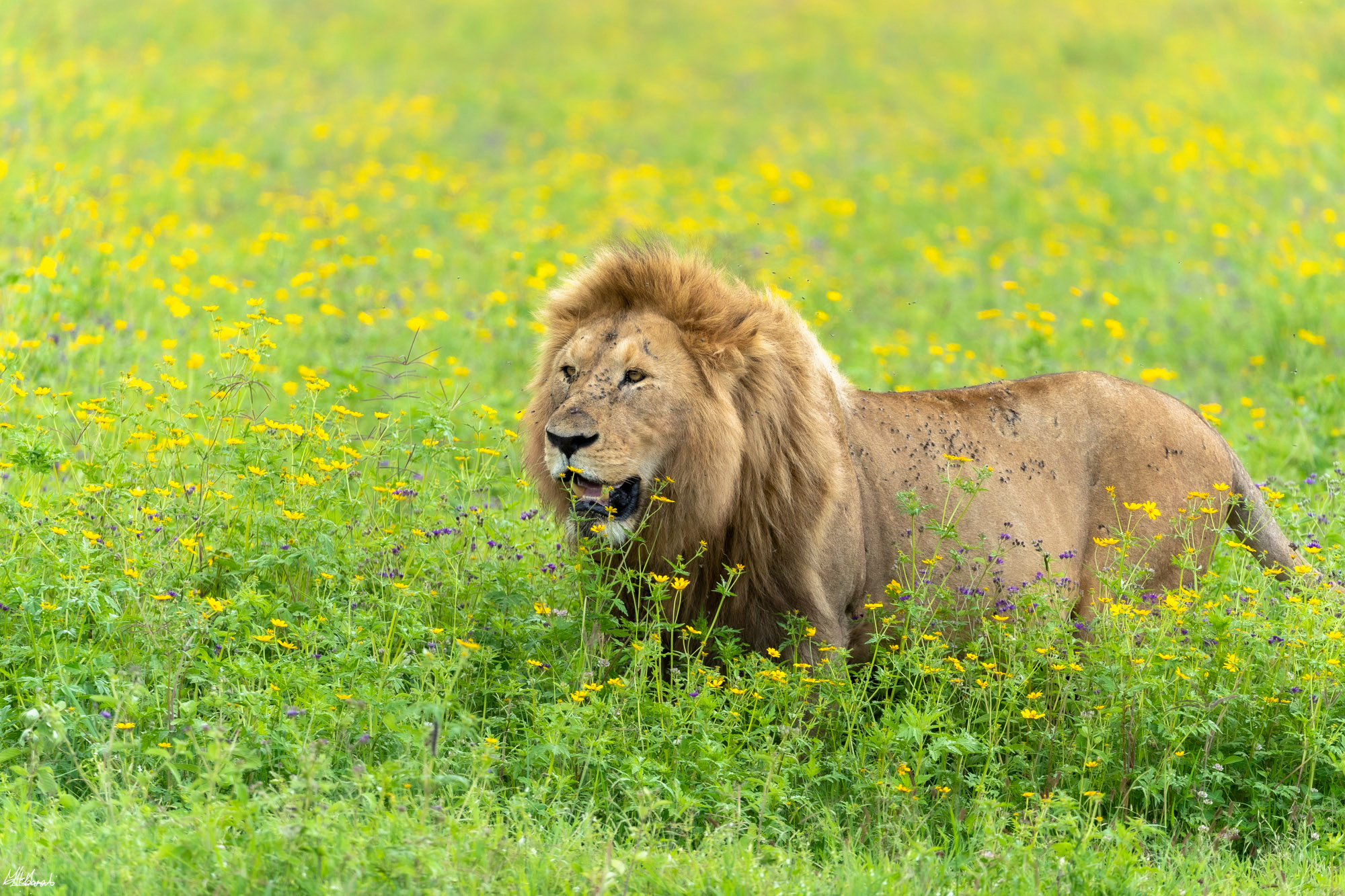
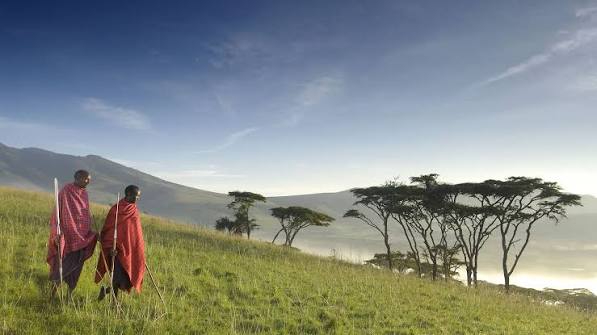
Few places on Earth inspire travelers quite like the Ngorongoro Crater. Often described as Africa’s “Garden of Eden,” this UNESCO World Heritage Site is one of the highlights of Safaris in Tanzania. With spectacular landscapes, one of the highest concentrations of wildlife in Africa, and rich cultural heritage, the crater delivers an unforgettable safari experience for first-time visitors and seasoned explorers alike. Located within the Ngorongoro Conservation Area in northern Tanzania, the crater is an essential stop on the country’s famous Northern Safari Circuit, alongside Serengeti National Park, Tarangire National Park, and Lake Manyara National Park. Whether you’re hoping to spot the Big Five in a single day, witness breathtaking scenery, or combine wildlife adventures with authentic cultural experiences, the Ngorongoro Crater offers something extraordinary. Explore expertly crafted Safaris in Tanzania with Odysseys From Africa and experience one of Africa’s greatest natural wonders. What Makes the Ngorongoro Crater So Special? The Ngorongoro Crater is the world’s largest intact and inactive volcanic caldera, measuring approximately 19 kilometers (12 miles) across and covering more than 260 square kilometers. Millions of years ago, a massive volcano erupted and collapsed, creating the enormous crater seen today. Over time, the basin became home to thousands of animals that rarely need to leave due to the abundance of food and water. This unique ecosystem allows visitors to enjoy exceptional wildlife viewing throughout the year, making it one of the most rewarding destinations for Safaris in Tanzania. A UNESCO World Heritage Site The Ngorongoro Conservation Area is recognized by UNESCO for both its natural beauty and cultural significance. Unlike traditional national parks, the conservation area allows wildlife and local communities, particularly the Maasai people, to coexist within the same protected landscape. Visitors have the opportunity to experience not only incredible wildlife but also learn about the traditions and history of one of East Africa’s most iconic cultures. Learn more about customized Tanzania safari itineraries that include both wildlife adventures and cultural experiences. Incredible Wildlife in the Ngorongoro Crater The crater is home to more than 25,000 large mammals, making it one of Africa’s most wildlife-rich destinations. Visitors commonly encounter: Lions African elephants Cape buffalo Leopards Black rhinos Spotted hyenas Hippos Zebras Wildebeest Gazelles Warthogs Jackals Because animals remain within the crater year-round, game viewing is consistently excellent. One of the Best Places to See the Big Five For many travelers, spotting the Big Five is the highlight of their safari. The Ngorongoro Crater is one of the few places in Africa where visitors have an excellent chance of seeing: Lion Leopard Elephant Buffalo Black rhino The presence of endangered black rhinos makes the crater especially significant for conservation and wildlife enthusiasts. A Paradise for Bird Lovers Although famous for its large mammals, the crater also attracts hundreds of bird species. Popular sightings include: Flamingos Crowned cranes Kori bustards Secretary birds Eagles Ostriches Herons Storks Seasonal wetlands provide excellent opportunities for birdwatching throughout the year. Scenic Landscapes Around Every Corner The Ngorongoro Crater is more than just wildlife. Visitors are treated to: Rolling grasslands Acacia forests Freshwater lakes Swamps Forested crater walls Panoramic viewpoints The famous crater rim viewpoint provides one of the most photographed landscapes in East Africa. The Best Time to Visit the Ngorongoro Crater One of the biggest advantages of the crater is that it offers excellent wildlife viewing throughout the year. June to October (Dry Season) Benefits include: Easier wildlife spotting Pleasant weather Excellent road conditions Ideal photography opportunities This is the busiest safari season. November to May (Green Season) Advantages include: Beautiful green landscapes Fewer tourists Lower accommodation rates Excellent birdwatching Dramatic cloud formations for photography Many travelers combine this period with the Serengeti’s wildebeest calving season. Combining the Ngorongoro Crater with Other Safari Destinations The crater is rarely visited alone. Most Safaris in Tanzania combine several parks to create a complete wildlife experience. A popular itinerary includes: Tarangire National Park Known for: Massive elephant herds Ancient baobab trees Diverse birdlife Lake Manyara National Park Famous for: Tree-climbing lions Flamingos Forest habitats Hippo pools Serengeti National Park The perfect complement to the Ngorongoro Crater. Experience: The Great Wildebeest Migration Endless savannahs Predator action Luxury tented camps Explore Northern Circuit safari packages designed to showcase Tanzania’s most iconic destinations. A Typical Day in the Ngorongoro Crater Most visitors descend into the crater shortly after sunrise. A full-day game drive often includes: Early morning wildlife viewing Visits to hippo pools Scenic picnic lunch Afternoon predator tracking Birdwatching around Lake Magadi Return to the crater rim before sunset Because wildlife is so concentrated, it is possible to see an incredible variety of animals in just one day. Luxury Lodges Around the Crater The Ngorongoro region offers accommodations for every travel style. Options include: Luxury Lodges Perfect for honeymooners and luxury travelers. Features include: Panoramic crater views Fine dining Spa facilities Private game drives Tented Camps Ideal for travelers seeking an authentic safari atmosphere with modern comforts. Mid-Range Safari Lodges Comfortable accommodation with excellent access to the crater. Photography Tips for the Ngorongoro Crater The crater offers exceptional photography opportunities. Bring: Telephoto lens (100–400mm or longer) Wide-angle lens for landscapes Extra batteries Polarizing filter Binoculars Early morning and late afternoon provide the best natural lighting for wildlife photography. Responsible Tourism in the Ngorongoro Conservation Area Protecting this extraordinary ecosystem requires responsible travel. Visitors should: Stay on designated roads Follow guide instructions Avoid disturbing wildlife Respect Maasai communities Support ethical safari operators Choosing responsible Safaris in Tanzania helps preserve the Ngorongoro Crater for future generations. Frequently Asked Questions Is the Ngorongoro Crater worth visiting? Absolutely. It is one of Africa’s most spectacular wildlife destinations and one of the highlights of any Tanzania safari. Can you see the Big Five in one day? Yes. The crater offers one of the highest chances in Africa of seeing all members of the Big Five during a single game drive. How long should I spend in the Ngorongoro Crater? Most visitors spend one full day inside the crater, although staying two…

Read More
Tanzania Safari Cuisine

Amazing Tanzania Safari Cuisine Experiences: The European Foodie’s Guide to Lodge Dining on Safaris in Tanzania

A Tanzania Safari Cuisine experience is about much more than exceptional wildlife—it is also an opportunity to enjoy world-class dining in some of Africa’s most spectacular settings. From elegant bush breakfasts overlooking the Serengeti to candlelit dinners beneath the stars and expertly paired wines at luxury lodges, Safaris in Tanzania offer culinary experiences that rival many of Europe’s finest restaurants. For European travelers who appreciate outstanding food, locally sourced ingredients, and attentive service, Tanzania’s luxury safari camps combine authentic African flavors with international cuisine to create unforgettable dining experiences in the heart of the wilderness. Tanzania Safari Cuisine: Why Dining Is a Highlight of Luxury Safaris in Tanzania Tanzania Safari Cuisine combines gourmet meals, fresh local ingredients, and unforgettable wilderness settings to create a dining experience unlike anywhere else in the world.Luxury Safaris in Tanzania offer exceptional cuisine that complements every game drive and wildlife encounter. Many first-time safari travelers are surprised by the quality of food served at Tanzania’s luxury lodges and tented camps. Far from being simple camp meals, today’s safari dining experiences often feature: Multi-course dinners Freshly baked breads and pastries Premium international wines Farm-fresh vegetables Locally inspired dishes Fine desserts Professional table service Luxury safari chefs understand that outstanding cuisine is an essential part of the overall guest experience. Whether you’re celebrating a honeymoon, family holiday, or milestone journey, exceptional dining becomes one of the most memorable aspects of your safari. Tanzania Safari Cuisine: Fresh Local Ingredients with International Flavors The best Tanzania Safari Cuisine blends authentic Tanzanian ingredients with international culinary techniques to satisfy travelers from around the world.Guests enjoy menus inspired by African traditions while also finding familiar European and international favorites. One of the defining features of safari dining is the balance between local flavors and global cuisine. Many luxury lodges source ingredients from nearby farms and regional producers whenever possible. Fresh ingredients commonly include: Tropical fruits Seasonal vegetables Fresh herbs Local honey Tanzanian coffee Fresh seafood (for coastal extensions) High-quality meats Chefs then transform these ingredients into beautifully presented meals inspired by both African and European culinary traditions. Before your journey, you can explore our Tanzania travel information for helpful advice on planning your safari, including dietary considerations and travel preparation. Traditional Tanzanian Flavors Worth Trying Many safari lodges include opportunities to sample authentic Tanzanian cuisine alongside international dishes. Popular local specialties include: Nyama Choma (grilled meat) Pilau rice Ugali Coconut curries Chapati Fresh tropical fruits These dishes provide visitors with a delicious introduction to Tanzania’s diverse culinary heritage. Tanzania Safari Cuisine: Bush Breakfasts and Sundowner Dining Experiences Bush dining is one of the signature highlights of Tanzania Safari Cuisine, allowing guests to enjoy gourmet meals surrounded by breathtaking wildlife landscapes.From sunrise breakfasts to sunset cocktails, these unique experiences make luxury Safaris in Tanzania truly unforgettable. Few dining experiences compare with enjoying breakfast in the middle of the African wilderness. After an early morning game drive, guests may arrive at a beautifully prepared breakfast table overlooking open plains where wildlife continues its daily routine nearby. Typical bush breakfasts feature: Fresh pastries Eggs cooked to order Fresh fruit platters Premium coffee and tea Fresh juices Gourmet breakfast selections These carefully planned meals combine comfort with spectacular scenery. Sunset Sundowners Another safari tradition is the famous sundowner. As the day ends, guides stop at scenic viewpoints where guests enjoy refreshments while watching the African sunset. Depending on the lodge or itinerary, guests may enjoy: Sparkling wine Premium wines Signature cocktails Gourmet canapés Cheese platters Light appetizers The peaceful atmosphere and dramatic landscapes create one of the most photographed moments of any safari. Travelers seeking exceptional wildlife and luxury dining experiences can explore the Serengeti and Ngorongoro safari itinerary, where unforgettable game drives are complemented by premium lodge hospitality. Tanzania Safari Cuisine: Fine Dining at Luxury Safari Lodges Luxury safari lodges have elevated Tanzania Safari Cuisine by combining exceptional hospitality, elegant presentation, and personalized service.Guests enjoy restaurant-quality meals while surrounded by some of Africa’s most spectacular natural landscapes. Luxury safari dining goes far beyond expectations. Many lodges feature talented chefs who prepare meals comparable to those found in high-end hotels and restaurants. Dinner experiences often include: Three- or four-course menus Seasonal chef specials Fresh seafood options Premium beef and lamb Vegetarian selections Homemade desserts Dining areas are equally impressive, ranging from open-air terraces overlooking rivers to elegant candlelit dining rooms. Many camps also accommodate: Vegetarian diets Vegan preferences Gluten-free meals Food allergies Special celebrations Guests simply need to communicate dietary requirements before arrival. Tanzania Safari Cuisine for Wine Lovers Tanzania Safari Cuisine is enhanced by carefully selected wines and premium beverages served at many luxury safari lodges.Wine pairings, local beers, and international selections add another layer of sophistication to the safari dining experience. European travelers often appreciate the excellent beverage programs available at luxury camps. Depending on the lodge, wine lists may include: South African wines French wines Italian wines Chilean wines Premium sparkling wines Professional staff frequently recommend pairings that complement each course. For honeymooners and couples celebrating special occasions, private dinners with wine pairings create unforgettable evenings beneath the African sky. Travelers interested in combining luxury wildlife experiences with personalized itineraries can discover the Best of Northern Tanzania safari, featuring exceptional lodges known for outstanding hospitality and cuisine. People Also Ask Is the food good on luxury Safaris in Tanzania? Yes. Most luxury safari lodges serve high-quality international cuisine alongside traditional Tanzanian dishes. Meals are prepared by experienced chefs using fresh ingredients, and many camps cater to dietary requirements, making dining one of the highlights of a Tanzania safari. Savor Every Moment of Your Tanzania Safari A remarkable safari is about more than extraordinary wildlife—it is also about the unforgettable moments shared around the table. From gourmet bush breakfasts and elegant candlelit dinners to authentic Tanzanian flavors and expertly paired wines, Tanzania Safari Cuisine adds another dimension to your luxury safari experience. At Odysseys From Africa, we carefully select safari lodges and camps that combine exceptional hospitality with outstanding dining, ensuring every…

Read More
Tanzania Safari Souvenirs
Uncategorized·

Amazing Tanzania Safari Souvenirs to Bring Home: The Best Keepsakes from Safaris in Tanzania

A Tanzania Safari Souvenirs shopping experience is the perfect way to preserve the memories of an unforgettable African adventure. From the brilliant blue sparkle of Tanzanite gemstones to handcrafted Maasai beadwork and locally carved wooden sculptures, Tanzania offers authentic keepsakes that reflect its rich culture and wildlife heritage. For US travelers returning from Safaris in Tanzania, choosing meaningful souvenirs not only supports local artisans but also allows you to bring a piece of East Africa home. Whether you’re shopping in Arusha, visiting artisan markets near the Serengeti, or browsing boutique stores before flying home, this guide will help you discover the best souvenirs, where to buy them, and what to know before bringing them back to America. Tanzania Safari Souvenirs: Why Authentic Gifts Make Your Safari Even More Memorable Tanzania Safari Souvenirs allow travelers to take home authentic pieces of Tanzania’s culture, craftsmanship, and wildlife heritage.Choosing locally made products supports communities while creating lasting reminders of your Safaris in Tanzania. Every safari creates unforgettable memories, but authentic souvenirs help those experiences last long after you return home. Unlike mass-produced gifts, handmade Tanzanian crafts tell a story. They reflect generations of tradition, skilled craftsmanship, and the country’s diverse cultures. The best souvenirs are not always the most expensive—they are the ones that carry meaning. Popular authentic souvenirs include: Tanzanite jewelry Maasai beadwork Makonde wood carvings Handwoven baskets Local artwork Coffee and spices Handmade leather products Shopping responsibly also supports local families, artisans, and conservation-focused businesses across Tanzania. Tanzania Safari Souvenirs: Where to Shop During Your Journey The best Tanzania Safari Souvenirs are found in trusted artisan markets, cultural centers, and locally owned shops across northern Tanzania.Shopping with reputable sellers helps ensure authenticity while supporting local communities. One of the best places to begin shopping is Arusha, often called the safari capital of Tanzania. Many travelers spend their first or last day in the city before or after exploring the national parks, making it an ideal place to browse for quality souvenirs. Before your adventure, you can explore our Tanzania travel information to learn more about planning your journey and preparing for your safari. Shopping in Arusha Arusha offers a wide variety of souvenir shops and artisan markets where travelers can find authentic Tanzanian products. Popular items include: Handmade jewelry Paintings Textiles Wooden carvings Coffee beans Leather accessories Buying directly from local artisans often provides a more meaningful shopping experience while supporting small businesses. Cultural Markets Near Safari Destinations Many safari lodges and cultural centers also offer opportunities to purchase locally made crafts. During visits to northern Tanzania, travelers may find artisan products near: Serengeti National Park Ngorongoro Conservation Area Tarangire National Park Lake Manyara National Park Travelers exploring the famous northern circuit through the Best of Northern Tanzania safari often have opportunities to visit cultural markets along the way. Tanzania Safari Souvenirs: Tanzanite – Tanzania’s World-Famous Gemstone Tanzania Safari Souvenirs would not be complete without Tanzanite, one of the world’s rarest gemstones found only in northern Tanzania.Its unique blue-violet color makes it one of the country’s most treasured luxury souvenirs. Tanzanite is one of Tanzania’s most valuable natural treasures. Discovered near Arusha, this beautiful gemstone is found in only one location on Earth, making it a truly unique souvenir. Visitors often choose: Rings Necklaces Earrings Bracelets Loose gemstones When purchasing Tanzanite: Buy from reputable dealers. Request a certificate of authenticity. Keep purchase receipts for customs purposes. Understand the quality grading before buying. Authentic Tanzanite can become a lifelong reminder of your African adventure. Tanzania Safari Souvenirs: Discover the Beauty of Maasai Beadwork Traditional Maasai beadwork is among the most recognizable Tanzania Safari Souvenirs, representing centuries of cultural heritage and craftsmanship.Each handcrafted piece reflects symbolism, identity, and artistic traditions passed through generations. The Maasai people are renowned for their colorful beadwork, which has become one of Tanzania’s most iconic cultural symbols. Popular beadwork includes: Necklaces Bracelets Earrings Decorative ornaments Belt accessories Each color traditionally carries symbolic meaning. For example: Red represents bravery. Blue symbolizes the sky. Green reflects nature and prosperity. White signifies peace and purity. Purchasing authentic Maasai beadwork directly from artisan groups helps preserve traditional skills while supporting local communities. Learn About Maasai Culture During Your Safari Many safari itineraries include opportunities to learn about Maasai traditions through respectful cultural visits. Travelers interested in combining wildlife experiences with cultural encounters can explore the Tanzania Explorer safari, which showcases some of the country’s most remarkable landscapes and cultural experiences. These visits provide valuable insight into Tanzania beyond its famous wildlife. Tanzania Safari Souvenirs: Handcrafted Wood Carvings and Local Art Handmade wood carvings and artwork are timeless Tanzania Safari Souvenirs that celebrate the country’s wildlife and artistic traditions.Each handcrafted piece reflects the creativity of Tanzanian artisans and makes a meaningful keepsake. Makonde wood carvings are among Tanzania’s most respected art forms. Common carvings include: Elephants Lions Giraffes Family sculptures Abstract cultural artwork Because every carving is handmade, no two pieces are exactly alike. Travelers also enjoy purchasing: Wildlife paintings Canvas art Handmade sculptures Decorative home accessories These items make excellent gifts while supporting Tanzania’s creative communities. People Also Ask What is the best souvenir to buy after Safaris in Tanzania? Many travelers choose Tanzanite jewelry, Maasai beadwork, or handmade Makonde wood carvings because they are authentic, locally crafted, and represent Tanzania’s unique culture and heritage. Take Home More Than Memories—Plan Your Tanzania Safari The best Tanzania Safari Souvenirs are more than beautiful keepsakes—they are lasting reminders of extraordinary wildlife encounters, vibrant cultures, and unforgettable moments in Africa. Whether you’re searching for authentic Maasai beadwork, rare Tanzanite jewelry, or handcrafted artwork, a well-planned safari gives you the opportunity to discover Tanzania’s rich heritage alongside its incredible landscapes. At Odysseys From Africa, we design personalized safari experiences that combine world-class wildlife viewing with authentic cultural encounters, helping you create memories—and souvenirs—you’ll treasure for a lifetime. Request a Custom Safari Proposal or Plan Your Tanzania Safari Holiday. Location: Arusha, TanzaniaEmail: info@odysseys-from-africa.comPhone: +254 (0) 710 450 797 | +255 (0) 652 810 255Website: https://odysseys-from-africa.com/

Read More
winter
Uncategorized·

The Ultimate Winter Escape: European Safaris in Tanzania

When winter blankets Europe with freezing temperatures, short daylight hours, and grey skies, many travelers dream of escaping to somewhere warm, adventurous, and unforgettable. Instead of spending another holiday searching for sunshine around the Mediterranean, why not trade snow for the golden plains of East Africa? Safaris in Tanzania offer European travelers the perfect winter escape. Between December and March, Tanzania enjoys warm temperatures, spectacular wildlife viewing, and breathtaking landscapes. This period also coincides with the famous wildebeest calving season in the southern Serengeti, making it one of the most exciting times to visit. Whether you’re traveling from the United Kingdom, Germany, France, Italy, the Netherlands, or Scandinavia, Tanzania is more accessible than ever, with convenient flight connections and expertly planned safari itineraries. Explore unforgettable Safaris in Tanzania with Odysseys From Africa and discover why East Africa is becoming Europe’s favorite winter getaway. Why European Travelers Choose Safaris in Tanzania Tanzania offers everything many Europeans look for during the winter months: Warm tropical weather Incredible wildlife experiences Luxury safari lodges Diverse landscapes Rich cultural encounters Easy safari extensions to Zanzibar Unlike crowded winter beach destinations, Tanzania combines adventure with relaxation, allowing travelers to experience one of the world’s greatest wildlife destinations before unwinding on the Indian Ocean coast. Escape Europe’s Cold Weather Between December and March, much of Europe experiences: Cold temperatures Snow and ice Short daylight hours Limited outdoor activities Meanwhile, northern Tanzania enjoys pleasant daytime temperatures ranging between 25°C and 30°C (77°F–86°F), making it ideal for game drives, walking tours, and photography. The contrast is one of the biggest reasons European travelers continue choosing Safaris in Tanzania for their winter holidays. Why December to March Is One of Tanzania’s Best Safari Seasons Many people assume the dry season is the only good time for safaris, but the European winter coincides with one of Tanzania’s most rewarding wildlife seasons. During these months, visitors enjoy: Green landscapes after seasonal rains Excellent wildlife viewing Fewer crowds than peak season Beautiful photography conditions Lower accommodation rates at selected lodges Most importantly, this is the period of the spectacular Great Migration calving season. Witness the Great Wildebeest Calving Season From late January through February, hundreds of thousands of wildebeest gather in the southern Serengeti and Ndutu region to give birth. During this remarkable natural event: More than 500,000 calves are born within a few weeks. Predator activity increases dramatically. Lions, cheetahs, hyenas, and leopards become highly active. Photographers capture extraordinary wildlife moments. Unlike the famous river crossings later in the year, the calving season offers visitors a chance to witness the beginning of new life across the Serengeti ecosystem. Learn more about customized Tanzania safari itineraries designed around the migration calendar. Best Safari Destinations During the European Winter Serengeti National Park The Serengeti remains the highlight of most Safaris in Tanzania. During winter, visitors can experience: Great Migration calving season Big Five wildlife viewing Endless golden plains Predator encounters Spectacular sunrise and sunset photography Ngorongoro Crater The Ngorongoro Crater offers one of Africa’s highest concentrations of wildlife. Visitors commonly see: Lions Elephants Buffalo Hippos Flamingos Endangered black rhinos The crater’s cool highland climate also provides a refreshing contrast to the warmer plains below. Tarangire National Park Tarangire is famous for: Large elephant herds Ancient baobab trees Beautiful landscapes Excellent birdlife It is an ideal addition to any winter safari itinerary. Lake Manyara National Park Lake Manyara offers a unique safari experience featuring: Tree-climbing lions Flamingos Forest habitats Diverse bird species Its varied ecosystems make it particularly attractive for wildlife photographers. Combine Your Safari with Zanzibar One of Tanzania’s greatest advantages is the opportunity to combine a safari with a tropical island holiday. After thrilling game drives, Zanzibar offers: White-sand beaches Crystal-clear Indian Ocean waters Luxury beachfront resorts Snorkeling and diving Historic Stone Town Fresh seafood and Swahili cuisine A safari followed by several days on Zanzibar creates the perfect balance between adventure and relaxation. Explore East African safari and beach holidays with Odysseys From Africa. Direct Flights from Europe to Tanzania Traveling from Europe has become increasingly convenient. Many airlines operate direct or one-stop flights from major cities including: London Amsterdam Frankfurt Paris Zurich Brussels Rome International arrivals typically enter Tanzania through: Kilimanjaro International Airport (JRO) Julius Nyerere International Airport (Dar es Salaam) Zanzibar International Airport From these gateways, domestic flights and road transfers connect travelers to Tanzania’s premier safari destinations. Luxury Safaris in Tanzania for European Travelers Many European visitors choose luxury safari experiences that combine comfort with authentic wilderness adventures. Luxury safari packages often include: Boutique tented camps Private game drives Gourmet dining Personalized guides Infinity pools overlooking wildlife Bush breakfasts and sunset dinners Luxury lodges allow travelers to experience the African wilderness without sacrificing comfort. Family Winter Holidays in Tanzania Tanzania is also an excellent winter destination for families. Children enjoy: Seeing wildlife in its natural habitat Learning about conservation Visiting Maasai communities Exploring diverse landscapes Many lodges offer family suites, child-friendly activities, and flexible safari schedules. Packing for a Winter Safari in Tanzania Although you’re escaping winter, packing thoughtfully ensures maximum comfort. Recommended items include: Lightweight neutral-colored clothing Comfortable walking shoes Wide-brimmed hat Sunglasses Sunscreen Camera and binoculars Light fleece or jacket for cool mornings Universal travel adapter Most safari lodges provide laundry services, allowing travelers to pack light. Why Book with a Local Safari Expert? Planning an African safari involves more than choosing a destination. A local operator provides: Expert itinerary planning Knowledge of wildlife movements Reliable lodge recommendations Airport transfers Domestic flight coordination 24/7 local support Working with experienced professionals ensures a smooth and memorable safari from arrival to departure. Frequently Asked Questions Is December a good time for Safaris in Tanzania? Yes. December marks the beginning of the green season and offers beautiful landscapes, fewer crowds, and excellent wildlife viewing. What is the weather like in Tanzania during the European winter? Most safari destinations enjoy warm daytime temperatures and comfortable evenings, making it an excellent escape from Europe’s cold weather. Can I combine a safari…

Read More
Tanzania Safari 2027

Amazing Tanzania Safari 2027 Trends to Discover: New Lodges, Routes, and the Future of Safaris in Tanzania

A Tanzania Safari 2027 experience will offer travelers new ways to explore Africa’s most iconic wilderness areas through innovative lodges, exclusive routes, and more personalized adventures. For travelers from the US and Europe planning future Safaris in Tanzania, the next generation of safari travel will focus on luxury, sustainability, authentic cultural connections, and less crowded wildlife experiences. As Tanzania continues to evolve as one of the world’s leading safari destinations, travelers can expect new accommodation concepts, expanded conservation-focused experiences, and carefully designed itineraries that go beyond traditional routes. With local expertise from Tanzania-based specialists, visitors can discover a future of safari travel that remains authentic while embracing new possibilities. Tanzania Safari 2027: What the Future of Safaris in Tanzania Looks Like Tanzania Safari 2027 will focus on personalized luxury, sustainable travel, and unique wildlife experiences designed for modern travelers.Future Safaris in Tanzania will combine iconic destinations with new routes, innovative lodges, and more meaningful connections with nature and local communities. Tanzania has always been one of Africa’s most celebrated safari destinations. The Serengeti, Ngorongoro Crater, Tarangire, and Zanzibar continue to attract travelers searching for extraordinary landscapes and unforgettable wildlife encounters. However, safari travel is changing. Modern travelers are looking for more than traditional game drives. They want: Private and exclusive experiences Smaller luxury camps Conservation-focused journeys Authentic cultural connections Flexible itineraries Photography opportunities Less crowded destinations The future of Safaris in Tanzania will not simply be about seeing more animals. It will be about experiencing Tanzania in a deeper and more responsible way. The Rise of Luxury Tanzania Safari 2027 Experiences Luxury Tanzania Safari 2027 journeys will focus on privacy, personalized service, and immersive wilderness experiences.High-end travelers will increasingly choose boutique camps, private guides, and tailor-made safari packages instead of standard itineraries. Luxury safari has evolved significantly over recent years. Today’s travelers are seeking experiences that combine comfort with authenticity. Instead of large properties with many guests, many visitors prefer smaller camps located in exceptional wildlife areas. Future luxury safari trends include: Private safari vehicles Exclusive-use villas Personalized dining experiences Wellness-focused stays Longer wildlife viewing sessions Expert photography guidance Luxury no longer means simply having a beautiful room. It means having the freedom to experience Tanzania at your own pace. New Luxury Lodges in Tanzania One of the biggest trends for Tanzania Safari 2027 will be the continued development of environmentally responsible luxury lodges. New-generation safari properties are expected to focus on: Sustainable Design Many future lodges are being designed around: Renewable energy Reduced environmental impact Water conservation Locally sourced materials Travelers increasingly want accommodation that protects the landscapes they came to experience. Smaller, More Exclusive Camps Rather than large accommodation facilities, many safari guests prefer intimate camps offering: Fewer rooms Greater privacy More personalized service Stronger connections with nature These properties create a feeling of being immersed in the wilderness. Better Photography Facilities With the growth of wildlife photography, future safari lodges are adapting to photographers’ needs. Features may include: Dedicated camera areas Charging stations Photography-friendly vehicles Expert wildlife guides For travelers interested in capturing Tanzania’s wildlife, specialized photographic safaris in Tanzania provide opportunities designed around animal behavior, lighting, and photography goals. Tanzania Safari 2027: New Routes Beyond the Classic Northern Circuit Tanzania Safari 2027 itineraries will increasingly explore alternative routes beyond the traditional safari circuit.Travelers will discover quieter destinations while enjoying exceptional wildlife, landscapes, and authentic cultural experiences. The classic northern circuit remains one of Africa’s greatest safari routes, but future travelers are increasingly searching for less crowded alternatives. Traditional highlights include: Serengeti National Park Ngorongoro Crater Tarangire National Park Lake Manyara However, new safari trends are expanding interest toward other regions. Western Tanzania Safari Experiences Western Tanzania offers some of the most remote and untouched safari experiences in the country. Destinations such as Mahale Mountains National Park provide opportunities to experience: Chimpanzee trekking Forest landscapes Lake Tanganyika adventures Rare wildlife encounters These experiences appeal to travelers seeking something different from traditional Big Five safaris. Southern Tanzania Safari Routes Southern Tanzania is becoming increasingly attractive for adventurous travelers. The region offers: Vast wilderness areas Lower visitor numbers Unique wildlife experiences Remote luxury camps For experienced safari travelers who have already explored the Serengeti, southern routes provide a fresh perspective on Tanzania. Serengeti Safari Trends for 2027 Serengeti safari tours will remain a centerpiece of Tanzania Safari 2027 travel, but future experiences will focus on deeper exploration and more exclusive wildlife encounters.Travelers will increasingly seek flexible Serengeti itineraries designed around seasons, photography, and conservation. The Serengeti will continue to represent the heart of Tanzania’s safari experience. Future trends include: Migration-Focused Travel The Serengeti Great Migration remains one of the world’s greatest wildlife spectacles. Travelers are increasingly planning journeys around: Calving season River crossing periods Predator activity Seasonal wildlife movements Specialized itineraries such as the Migration Calving Safari allow visitors to experience specific moments of this incredible natural cycle. Longer Wildlife Experiences Many travelers are moving away from rushed itineraries. Instead of visiting many locations quickly, future safari guests prefer: Longer stays Deeper exploration More time with expert guides Better photography opportunities This creates a more relaxed and meaningful African safari experience. Sustainable Safaris in Tanzania: The Future of Responsible Travel Sustainable Safaris in Tanzania will become increasingly important as travelers look for conservation-focused experiences that protect wildlife and communities.The future of Tanzania Safari 2027 will balance luxury travel with environmental responsibility and positive local impact. Sustainability is becoming one of the most important factors influencing travel decisions. Modern safari travelers want to know: How tourism supports conservation How communities benefit How lodges reduce environmental impact How wildlife habitats are protected Responsible safari operators are increasingly focusing on: Supporting local employment Protecting ecosystems Reducing waste Supporting conservation programs This approach ensures future generations can experience Tanzania’s incredible wildlife. Plan Your Tanzania Safari 2027 Adventure The future of Safaris in Tanzania is about creating meaningful journeys that combine luxury, conservation, and authentic wildlife experiences. Whether you are planning a first-time safari, a private luxury escape, a honeymoon adventure, or a…

Read More
Safaris

Photographic Safaris in Tanzania: Tips from Expert Wildlife Guides

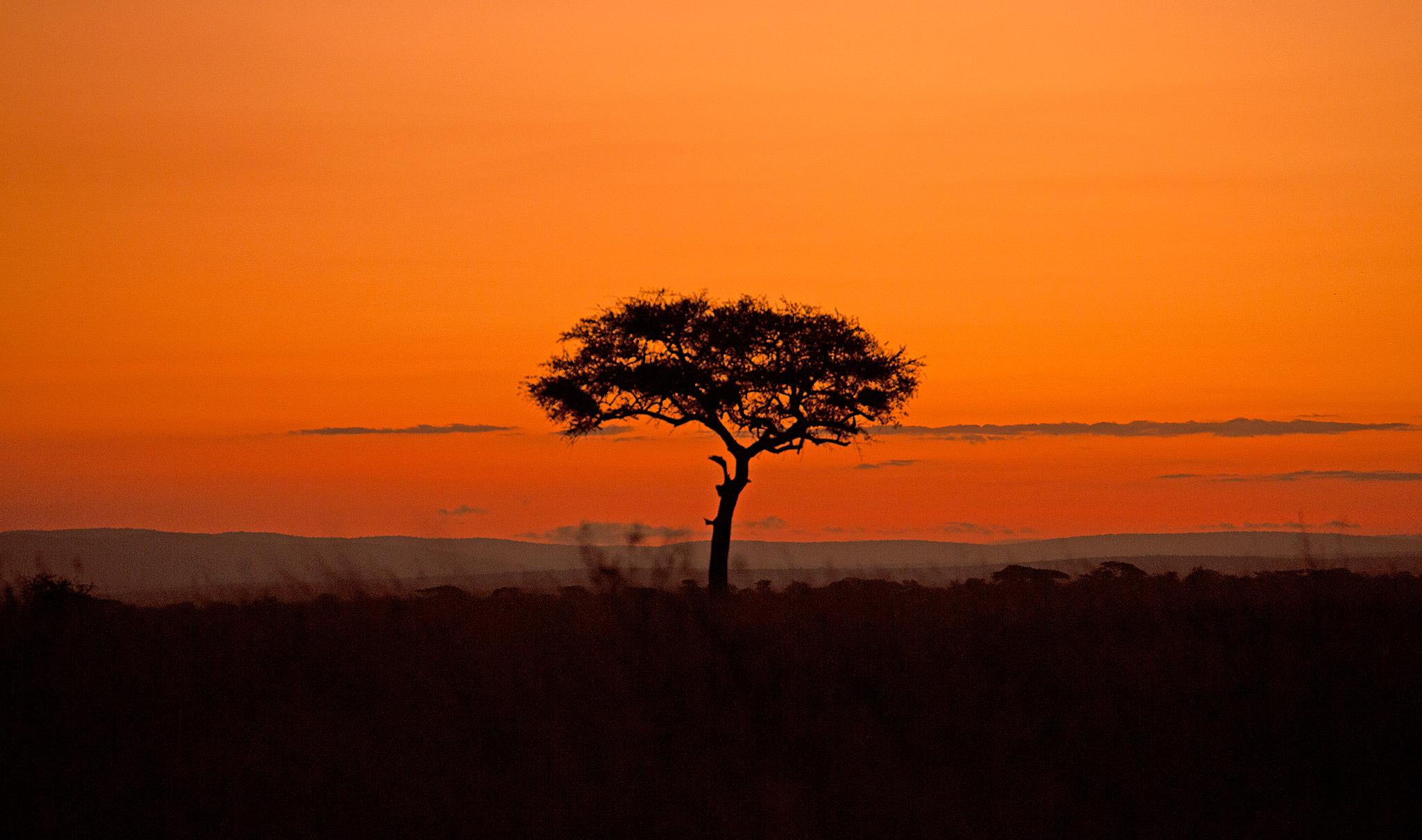
For wildlife photographers, few destinations compare to the incredible opportunities offered by Safaris in Tanzania. From lions resting across the golden Serengeti plains to elephants moving beneath towering baobab trees, Tanzania provides some of the most dramatic photography settings in Africa. A photographic safari is not just about bringing a camera into the wilderness. It is about understanding wildlife behavior, choosing the right locations, working with natural light, and having experienced guides who know where and when unforgettable moments happen. Whether you are a professional photographer, an enthusiastic hobbyist, or a traveler hoping to capture incredible memories, Tanzania offers the perfect environment for creating remarkable wildlife images. Explore professionally planned Safaris in Tanzania with Odysseys From Africa and experience expert-guided journeys designed around wildlife, photography, and authentic African landscapes. Why Choose Photographic Safaris in Tanzania? Tanzania is one of the world’s leading wildlife photography destinations because it combines diverse ecosystems, abundant wildlife, and spectacular natural events. Photographers choose Safaris in Tanzania because they can capture: The Great Wildebeest Migration Big Five wildlife encounters Predator and prey interactions Dramatic African landscapes Rare bird species Cultural moments with local communities Unlike standard sightseeing tours, photographic safaris are designed to give travelers more time at sightings, better vehicle positioning, and opportunities to capture unique wildlife behavior. Best Destinations for Photographic Safaris in Tanzania Each safari destination in Tanzania offers something different for photographers. Choosing the right parks can make a significant difference in the quality and variety of images you capture. Serengeti National Park: The Heart of Wildlife Photography The Serengeti remains one of the most iconic photography locations in the world. Its endless grasslands create the perfect setting for capturing: Lions against golden landscapes Cheetahs moving across open plains Large wildebeest herds during migration Elephants walking through dramatic scenery Stunning sunrise and sunset scenes The Serengeti’s open environment allows photographers to capture both intimate animal portraits and breathtaking landscape images. A dedicated Serengeti safari experience provides access to one of Africa’s most inspiring wildlife environments. Ngorongoro Crater: Wildlife Photography in a Natural Wonder The Ngorongoro Crater offers one of the most unique photography settings in Tanzania. This ancient volcanic landscape creates a spectacular backdrop for wildlife images featuring: Lions Elephants Buffalo Hippos Flamingos Black rhinos Because wildlife is concentrated within the crater, photographers often have excellent opportunities to photograph multiple species during a single game drive. Tarangire National Park: Elephants and Baobab Photography Tarangire is a favorite destination for photographers looking for unique scenery. The park is especially known for: Large elephant herds Ancient baobab trees Seasonal wildlife gatherings Beautiful golden-hour photography The contrast between elephants and giant baobabs creates some of Tanzania’s most recognizable wildlife images. Lake Manyara National Park: Birds and Unique Wildlife Photography Lake Manyara National Park offers a different perspective for photographers looking beyond the traditional Big Five. The park provides opportunities to photograph: Large flamingo populations Colorful bird species Tree-climbing lions Forest landscapes Hippos and water-based wildlife Its combination of forests, wetlands, and open areas makes it an excellent addition to photography-focused Safaris in Tanzania. Essential Camera Equipment for Safaris in Tanzania Capturing wildlife requires preparation. The right equipment helps you photograph animals safely while maintaining image quality. Camera Body A reliable DSLR or mirrorless camera with fast autofocus is ideal for wildlife photography. Important features include: Fast shutter speed Good low-light performance Reliable autofocus tracking High-resolution image quality Telephoto Lens A quality zoom lens is one of the most important pieces of equipment for a safari. Recommended options include: 100–400mm lenses 200–500mm lenses 300mm or longer lenses These allow photographers to capture detailed wildlife images while keeping a respectful distance. Wide-Angle Lens A wide-angle lens is useful for: Vast Serengeti landscapes Large animal herds Dramatic sunsets Safari camp photography Helpful Accessories Professional photographers often carry: Extra batteries Multiple memory cards Lens cleaning kits Camera protection from dust Bean bags for vehicle support Expert Wildlife Photography Tips Great safari photography depends on more than equipment. Understanding timing, patience, and animal behavior is essential. 1. Use Early Morning and Late Afternoon Light The best wildlife images often happen during the golden hours. Early Morning Benefits include: Soft natural lighting Active wildlife Misty landscapes Cooler temperatures Late Afternoon Advantages include: Warm colors Long shadows Dramatic scenery These periods are often the highlight of photographic Safaris in Tanzania. 2. Be Patient and Observe Wildlife Behavior The most memorable photographs often happen after waiting quietly. Expert guides understand: Animal movements Predator behavior Water sources Seasonal patterns Patience allows photographers to capture natural moments instead of rushed encounters. 3. Focus on Storytelling A great wildlife photograph tells a story. Instead of only photographing individual animals, consider capturing: A herd moving across the plains A mother protecting young Animals interacting with their environment The relationship between wildlife and landscape 4. Listen to Your Safari Guide Experienced guides are among the most valuable resources during a photography safari. They help photographers: Find wildlife locations Understand animal behavior Position vehicles correctly Follow ethical viewing practices Their knowledge can transform a good safari into an unforgettable photography experience. Best Time for Photographic Safaris in Tanzania Tanzania offers incredible photography opportunities throughout the year. June to October: Dry Season Advantages: Excellent wildlife viewing Animals gather near water sources Clear skies Comfortable temperatures This is one of the most popular seasons for photographers. January to March: Calving Season This period offers some of the most dramatic wildlife photography opportunities. Photographers may capture: Newborn wildebeest Predator activity Green Serengeti landscapes Large animal movements November to December: Green Season The green season offers: Beautiful landscapes Fewer crowds Dramatic skies Excellent bird photography Private vs Group Photographic Safaris in Tanzania Choosing the right safari style affects your photography experience. Private Photographic Safaris Ideal for serious photographers. Benefits: Flexible schedules More time at sightings Customized routes Personalized guide attention Group Photographic Safaris Suitable for: Beginner photographers Solo travelers Travelers who enjoy shared experiences Both options can provide incredible opportunities with the right planning. Responsible Wildlife Photography in Tanzania Great photography should…

Read More
Arusha Tanzania Safari

Amazing Arusha Tanzania Safari Tips Before Your Trip: Why Arusha Is the Perfect Starting Point for Safaris in Tanzania

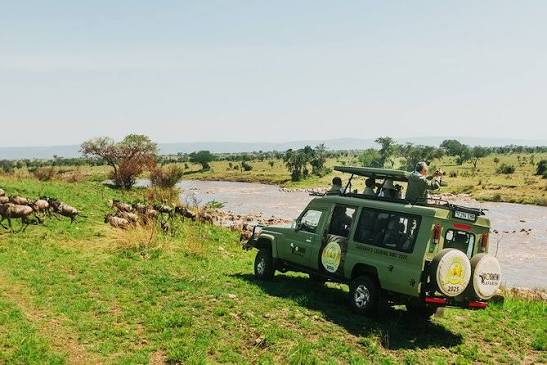
An Arusha Tanzania Safari adventure begins in one of East Africa’s most important travel hubs. Located at the foot of Mount Meru, Arusha is the gateway to Tanzania’s most famous wildlife destinations, including the Serengeti, Ngorongoro Crater, Tarangire, and Lake Manyara. For US travelers planning luxury safaris in Tanzania, spending time in Arusha allows for a smoother start, cultural discovery, and expert preparation before entering the wilderness. As the home base of Odysseys From Africa, Arusha offers the perfect combination of local expertise, comfortable accommodations, and authentic Tanzanian experiences. A well-planned arrival day here can transform your safari from a simple trip into a complete African safari experience. Arusha Tanzania Safari: Why the Journey Begins in Tanzania’s Safari Capital An Arusha Tanzania Safari provides the ideal starting point for exploring Tanzania’s most iconic wildlife destinations with expert local support.Known as the safari capital of East Africa, Arusha offers travelers convenience, culture, and preparation before their wilderness adventure begins. Many first-time visitors imagine that their safari begins the moment they arrive at a national park. In reality, the journey often begins in Arusha. This vibrant city is where travelers meet safari specialists, prepare their gear, adjust to the local environment, and begin their connection with Tanzania. Located in northern Tanzania, Arusha sits strategically between some of Africa’s most famous attractions: Serengeti National Park Ngorongoro Crater Tarangire National Park Lake Manyara National Park Mount Kilimanjaro Zanzibar connections This location makes Arusha the natural departure point for many of the best Tanzania travel packages. For travelers arriving from the United States, beginning in Arusha also provides valuable time to rest after international flights before starting early morning safari drives. Arusha Tanzania Safari Planning: The Gateway to Northern Tanzania’s Wildlife Wonders Arusha Tanzania Safari planning allows travelers to easily access Northern Tanzania’s most famous wildlife destinations through expert-designed routes and local knowledge.Starting your safari in Arusha creates a smoother, more comfortable experience before exploring Tanzania’s incredible wilderness areas. Northern Tanzania is considered one of the world’s greatest safari regions, and Arusha is at the center of it all. From the city, travelers can begin journeys into landscapes filled with extraordinary wildlife and natural beauty. Serengeti Safari Tours From Arusha The Serengeti is Tanzania’s most famous safari destination, known for endless plains, abundant wildlife, and the spectacular Serengeti Great Migration. A journey from Arusha can lead travelers toward unforgettable experiences such as: Lion encounters Elephant sightings Cheetah photography Large herbivore migrations Sunrise and sunset game drives Travelers looking for a classic wildlife experience can explore the Serengeti and Ngorongoro safari itinerary, combining two of Tanzania’s most iconic destinations. Ngorongoro Crater Adventures The Ngorongoro Crater is one of Africa’s most remarkable wildlife areas. This UNESCO World Heritage landscape offers: High concentrations of wildlife Dramatic volcanic scenery Excellent Big Five viewing opportunities Unique photographic moments Because of its location near Arusha, many travelers include Ngorongoro as part of a northern safari circuit. Tarangire and Lake Manyara Experiences Arusha also provides access to lesser-known but equally rewarding destinations. Tarangire National Park is famous for: Large elephant populations Ancient baobab trees Seasonal wildlife movements Lake Manyara offers: Birdlife diversity Scenic landscapes Forest ecosystems These destinations are excellent additions for travelers seeking a more complete Tanzania safari holiday. Why Spend a Day in Arusha Before Your Safari? An Arusha Tanzania Safari experience is enhanced when travelers spend time in the city before entering the wilderness.A short stay in Arusha helps with relaxation, preparation, and experiencing authentic Tanzanian culture before your adventure begins. After a long international journey, many travelers benefit from taking a day to settle in. Flights from the United States often involve long connections, and arriving directly before a safari departure can feel rushed. A night or two in Arusha allows you to: Recover from jet lag Organize safari equipment Meet your guide Review your itinerary Enjoy local culture Begin your African adventure at a comfortable pace This is especially valuable for luxury travelers who prefer a seamless and relaxed travel experience. Arusha Tanzania Safari Experiences Beyond Wildlife Arusha Tanzania Safari journeys offer more than a departure point — they provide opportunities to discover local culture, landscapes, and authentic Tanzanian experiences.Spending time in Arusha allows travelers to connect with the destination before exploring its famous national parks. Many visitors only see Arusha as a place to begin their safari, but the city offers meaningful experiences of its own. Explore Local Markets and Culture Arusha provides opportunities to experience everyday Tanzanian life through: Local markets Traditional crafts Coffee experiences Cultural visits The city reflects Tanzania’s diversity, with communities from across the country contributing to its unique character. Discover Tanzanian Coffee Heritage The region around Arusha is known for coffee production. Coffee lovers can visit local farms to learn about: Coffee cultivation Traditional farming methods Processing techniques Local communities This creates a memorable cultural experience before heading into the national parks. Visit Mount Meru Landscapes Standing above Arusha is Mount Meru, one of Africa’s highest mountains. The mountain provides: Beautiful scenery Hiking opportunities Photography locations A dramatic backdrop for the city For photographers, Arusha offers opportunities to capture a different side of Tanzania beyond wildlife. Choosing Arusha Tanzania Safari Packages With Local Expertise Arusha Tanzania Safari packages designed by local specialists provide travelers with better planning, authentic experiences, and smooth connections between destinations.Working with a Tanzania-based safari company ensures your journey benefits from firsthand destination knowledge. The quality of a safari depends heavily on planning. A professional safari specialist helps coordinate: Airport transfers Accommodation Safari vehicles Guides Park schedules Domestic connections Special requests Odysseys From Africa’s local expertise allows travelers to build personalized journeys based on their interests, whether they are looking for a honeymoon safari, family adventure, or luxury wildlife experience. Travelers seeking a broader itinerary can explore the Best of Northern Tanzania safari package for a carefully designed route covering the region’s highlights. Start Your Arusha Tanzania Safari Adventure An Arusha Tanzania Safari is the perfect beginning to an unforgettable journey through Tanzania’s incredible landscapes, wildlife, and…

Read More
Safaris

Cultural Safaris in Tanzania: Meeting the Maasai and Hadzabe Tribes

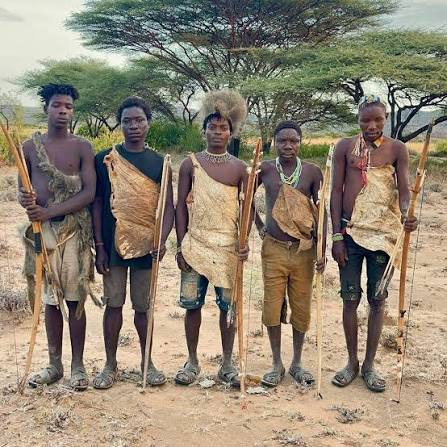
When most travelers imagine Safaris in Tanzania, they picture lions roaming across the Serengeti, elephants gathering beneath baobab trees, and breathtaking landscapes stretching endlessly toward the horizon. While Tanzania’s wildlife is undoubtedly spectacular, the country’s greatest treasure is also found in its people, traditions, and ancient cultures. A cultural safari offers travelers the opportunity to go beyond wildlife viewing and connect with the communities that have lived alongside these landscapes for generations. Meeting the Maasai and Hadzabe tribes provides a deeper understanding of Tanzania’s history, traditions, and relationship with nature. These experiences transform a traditional safari into a meaningful journey that combines wildlife, culture, and human connection. Explore authentic Safaris in Tanzania with Odysseys From Africa and discover carefully designed journeys that combine iconic wildlife destinations with respectful cultural encounters. Why Choose Cultural Safaris in Tanzania? A safari is not only about seeing animals—it is about understanding the environment, people, and traditions that make Tanzania unique. Cultural Safaris in Tanzania allow travelers to: Learn about traditional ways of life Meet local communities Understand conservation from a local perspective Experience authentic storytelling and traditions Support community-based tourism initiatives For travelers from the USA, Europe, and neighboring East African countries, cultural experiences add a powerful human element to an already unforgettable adventure. Meeting the Maasai: Tanzania’s Most Recognized Indigenous Community The Maasai are among Tanzania’s most well-known cultural groups. Living primarily in northern Tanzania and southern Kenya, the Maasai are famous for their strong traditions, distinctive clothing, and deep connection with cattle and the land. Many Maasai communities live near some of Tanzania’s most famous safari destinations, including the Serengeti and Ngorongoro regions. A respectful cultural visit may include: Learning about Maasai traditions Listening to community stories Understanding traditional homes and village structures Discovering the importance of cattle in Maasai society Learning about their relationship with wildlife conservation The Maasai and Wildlife Conservation One of the most fascinating aspects of Maasai culture is the relationship between people and wildlife. For generations, Maasai communities have shared landscapes with: Lions Elephants Giraffes Buffalo Other native species Modern conservation programs increasingly recognize the importance of involving local communities in protecting Tanzania’s natural ecosystems. Many responsible Safaris in Tanzania include cultural experiences that support local livelihoods while promoting wildlife protection. Visiting the Hadzabe Tribe: A Journey Into Ancient Traditions The Hadzabe people are one of Tanzania’s last remaining hunter-gatherer communities. They traditionally live around the Lake Eyasi region, south of the Ngorongoro Conservation Area. A visit with the Hadzabe offers travelers a rare opportunity to learn about one of Africa’s oldest ways of life. Travelers may experience: Traditional hunting demonstrations Indigenous knowledge of plants and nature Ancient storytelling traditions Insights into sustainable living practices Unlike staged tourist performances, responsible cultural visits focus on learning directly from community members while respecting their traditions and daily lives. Lake Eyasi: Tanzania’s Hidden Cultural Destination Many travelers visiting northern Tanzania focus only on the Serengeti and Ngorongoro Crater. However, Lake Eyasi offers a completely different perspective. The region provides: Dramatic landscapes Birdlife viewing Cultural encounters Peaceful rural experiences Adding Lake Eyasi to your itinerary creates a more complete understanding of Tanzania beyond traditional wildlife tourism. Discover customized Tanzania safari itineraries that combine wildlife adventures with authentic cultural experiences. Combining Cultural Experiences With Classic Safaris in Tanzania The best cultural safaris combine community visits with Tanzania’s iconic wildlife destinations. A popular itinerary may include: Arusha The starting point for many northern Tanzania adventures. Tarangire National Park Experience: Large elephant herds Baobab landscapes Local community connections Ngorongoro Crater Enjoy: Incredible wildlife viewing Cultural experiences nearby Scenic landscapes Serengeti National Park Discover: The Great Migration Big Five sightings Traditional communities surrounding the ecosystem Example 10-Day Cultural Safari Itinerary Days 1–2: Arrival in Arusha Relax and prepare for your journey. Days 3–4: Tarangire National Park Enjoy wildlife viewing and cultural exploration. Days 5–6: Ngorongoro Region Visit the crater and nearby communities. Day 7: Lake Eyasi Cultural Experience Meet the Hadzabe and learn about traditional lifestyles. Days 8–10: Serengeti National Park Complete your adventure with world-class game drives. This itinerary combines Tanzania’s wildlife wonders with meaningful cultural connections. Responsible Cultural Tourism in Tanzania When visiting indigenous communities, responsible travel is essential. Travelers should: Respect local customs Ask permission before taking photographs Listen and learn rather than judge Support locally owned initiatives Choose ethical safari operators A meaningful cultural experience should benefit both visitors and communities. Odysseys From Africa focuses on creating authentic journeys that connect travelers with Tanzania’s landscapes, wildlife, and people. Best Time for Cultural Safaris in Tanzania Cultural experiences are available throughout the year, but some seasons offer additional benefits. June to October Advantages: Comfortable weather Excellent wildlife viewing Popular safari season January to March Benefits: Green landscapes Fewer crowds Great combination with Serengeti calving season November to December Benefits: Beautiful scenery Excellent photography opportunities Why Add Culture to Your Tanzania Safari? Wildlife creates unforgettable moments, but cultural experiences create deeper understanding. A cultural safari allows travelers to discover: How communities have adapted to their environment Ancient traditions passed through generations The connection between people and conservation The diversity of Tanzanian identity This makes your safari experience richer and more memorable. Frequently Asked Questions About Cultural Safaris in Tanzania Can I visit Maasai villages during a Tanzania safari? Yes. Many safari itineraries include opportunities to visit Maasai communities near popular wildlife destinations. Are Hadzabe cultural visits authentic? When arranged responsibly through reputable operators, Hadzabe visits provide meaningful opportunities to learn directly from community members. Are cultural safaris suitable for families? Yes. Cultural experiences can be educational and inspiring for travelers of all ages. Can I combine cultural experiences with the Serengeti? Absolutely. Many northern Tanzania safari routes combine Serengeti, Ngorongoro, and cultural destinations. Final Thoughts: Experience Tanzania Beyond Wildlife The true magic of Safaris in Tanzania comes from more than breathtaking landscapes and incredible animals. It comes from the stories, traditions, and communities that make this country unique. Meeting the Maasai and Hadzabe offers travelers a rare opportunity to experience Tanzania through…

Read More
Tanzania Safari Prices
Photography Safaris·

Essential Safari Photography Tanzania Tips: The Ultimate Post-Trip Guide for Your Wildlife Memories

A Safari Photography Tanzania journey creates thousands of unforgettable images — from lions resting beneath acacia trees to elephants crossing golden plains and breathtaking sunsets over the Serengeti. For US and EU travelers, the adventure does not end when the safari vehicle leaves the national park; organizing, editing, and preserving those memories is the next important step. After experiencing incredible safaris in Tanzania, photographers often return home with thousands of photographs waiting to be sorted. This guide shares expert techniques for managing wildlife images, improving your editing workflow, creating professional prints, and preserving the stories behind your African safari experience. Safari Photography Tanzania: What to Do After Your Safari Ends Safari Photography Tanzania does not end when you leave the wilderness; organizing and preserving your images helps transform unforgettable moments into lasting memories.A smart post-trip workflow allows photographers to protect, edit, and share their best wildlife photographs from Tanzania. A successful safari photography workflow begins as soon as you return home. Many travelers underestimate the challenge of managing thousands of RAW files captured during several days of wildlife viewing. A single day on safari can produce hundreds of images because wildlife behavior changes quickly. A lion may move only once, a bird may take flight unexpectedly, or a herd of elephants may create a once-in-a-lifetime scene. The goal is not to keep every photograph. The goal is to identify the images that tell the story of your journey. Professional wildlife photographers often follow a simple process: Backup all photographs Organize files by location and date Select the strongest images Edit with consistency Create albums or prints Share the safari story This approach helps transform a large collection of images into a meaningful visual record. Safari Photography Tanzania Workflow: How to Organize Thousands of Wildlife Photos A successful Safari Photography Tanzania workflow starts with a reliable system for storing, sorting, and labeling images after your adventure.Organizing photographs early prevents lost files and makes editing your best safari moments easier. One of the biggest mistakes travelers make after returning from Tanzania is leaving thousands of images unorganized on memory cards or computer folders. A structured system saves time and protects your memories. Create a Backup System Immediately for Safari Photography Tanzania The first step after returning home should always be creating multiple backups. A professional approach follows the 3-2-1 backup rule: Keep three copies of your photographs Store them on two different types of media Keep one copy in a separate location For example: Main computer storage External hard drive Cloud backup service Wildlife photographs are impossible to recreate, especially images from rare moments during a safari. A photograph of a leopard in the Serengeti, chimpanzees in Mahale, or a dramatic Great Migration crossing represents a unique travel experience. For photographers who want to capture more rare wildlife moments, Odysseys From Africa offers specialized photographic safaris designed around wildlife behavior, photography opportunities, and expert guidance. Organize Photos by Safari Location A simple folder structure makes future searches much easier. A recommended system: 2026 Tanzania Safari Serengeti Ngorongoro Crater Tarangire Lake Manyara Zanzibar Portraits Landscapes Wildlife Details Adding dates can make organization even easier: Example: 2026-07-15_Serengeti_Lions This allows photographers to quickly locate images years later. Safari Photography Tanzania Editing Tips: Selecting Your Best Images Safari Photography Tanzania editing is about choosing meaningful images, not keeping every photograph captured during the journey.A careful selection process creates a stronger collection that tells the true story of your African adventure. After organizing files, the next step is image selection. Most photographers return from Tanzania with many similar photographs. Selecting the strongest images requires patience and a clear strategy. Start With a First Selection Round During the first review, focus only on removing obvious rejects. Delete or separate: Blurry images Accidental shots Duplicate frames Poorly exposed photographs Images with distracting backgrounds Do not begin detailed editing immediately. The first goal is reducing thousands of images into a manageable collection. Choose Photos That Tell a Story The strongest safari collections usually include more than animal portraits. A complete visual story includes: Wildlife Moments Examples: Lions interacting Elephants moving through landscapes Birds in flight Predator behavior Environmental Images These show where the experience happened: Serengeti plains Ngorongoro landscapes Acacia forests Sunrise and sunset scenes Human Experiences Include photographs of: Safari guides Camp experiences Cultural interactions Travel moments The combination creates a complete memory of your Tanzania journey. Organizing Safari Photos From Serengeti and Beyond Safari Photography Tanzania becomes more meaningful when images are organized around the destinations and experiences that shaped your journey.Creating location-based collections helps photographers preserve the complete story of their adventure. Tanzania offers incredible diversity for photographers, from open grasslands to volcanic landscapes and tropical coastlines. Many travelers combine several destinations into one itinerary. A classic route may include: Serengeti Wildlife Photography The Serengeti provides some of Africa’s most iconic photography opportunities. Photographers can capture: Big Five wildlife Predator interactions Vast landscapes Migration scenes Travelers interested in combining wildlife viewing with expert planning can explore a Serengeti and Ngorongoro safari itinerary. Ngorongoro Crater Photography The Ngorongoro Crater offers a unique environment where wildlife gathers within a dramatic volcanic landscape. Photography opportunities include: Large animal concentrations Scenic viewpoints Morning light photography Wildlife portraits Zanzibar Photography After Safari Many photographers extend their Tanzania adventure with coastal photography. Zanzibar offers opportunities for: Ocean landscapes Local culture Historic architecture Beach photography A Zanzibar extension can add variety to a safari photo collection through experiences such as Zanzibar travel experiences. Preserve Your Safari Memories Safari Photography Tanzania Journey Your Safari Photography Tanzania experience deserves more than a folder of forgotten images. Whether you are a wildlife photographer, a couple capturing a once-in-a-lifetime adventure, or a traveler looking for a private luxury safari, our Tanzania-based team can help design a journey focused on unforgettable wildlife encounters, expert guidance, and incredible photography opportunities. From the Serengeti plains to Ngorongoro Crater and Zanzibar’s coastline, Odysseys From Africa creates personalized safari experiences that allow you to capture the beauty of Tanzania while traveling with…

Read More