
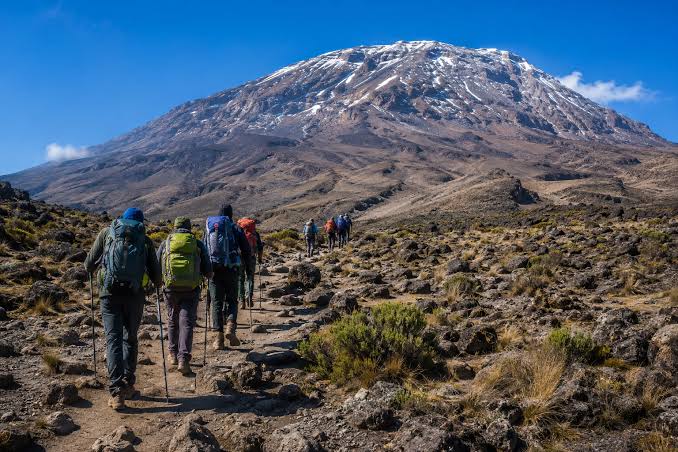
Machame vs Lemosho: Which Kilimanjaro Route Should You Choose?
Choosing the right route is one of the most important decisions when planning to climb Mount Kilimanjaro. Although several trails lead to Uhuru Peak, the experience differs considerably depending on where you start, how many days you spend on the mountain, the scenery you encounter and the time available for acclimatisation.
Choosing the right route is one of the most important decisions when planning to climb Mount Kilimanjaro. Although several trails lead to Uhuru Peak, the experience differs considerably depending on where you start, how many days you spend on the mountain, the scenery you encounter and the time available for acclimatisation.
Two of the most popular options are the Machame and Lemosho routes. Both offer spectacular views, varied landscapes and a challenging journey to Africa’s highest mountain. However, they suit different travel schedules and preferences.
The Lemosho route is generally the better choice for climbers who want a quieter beginning, more time to acclimatise and a longer trekking experience. Machame is a popular alternative for travellers with a tighter schedule who still want an adventurous and scenic climb.
In this guide, we compare Machame vs Lemosho to help you decide which Kilimanjaro route best suits your fitness, available time, expectations and summit ambitions.
Machame vs Lemosho: What Is the Main Difference?
The main difference between the Machame and Lemosho routes is their starting location, duration and early climbing experience.
Machame approaches Kilimanjaro from the southern side, beginning at Machame Gate. It is commonly completed in six or seven days and is one of the busiest climbing routes on the mountain.
The Lemosho route approaches from the western side through Londorossi Gate. It usually takes seven or eight days, offering a longer and more gradual introduction to the mountain. Its early sections are generally quieter before joining the Machame trail at higher elevations.
Both routes eventually approach the summit through the southern circuit, with climbers commonly passing Barafu Camp before their final ascent towards Uhuru Peak.
Here is a quick comparison:
| Feature | Machame Route | Lemosho Route |
|---|---|---|
| Starting side | Southern approach | Western approach |
| Starting gate | Machame Gate | Londorossi Gate |
| Typical duration | 6–7 days | 7–8 days |
| Crowds | Generally busier | Quieter initially |
| Scenery | Rainforest, moorland and alpine desert | Rainforest, Shira Plateau and alpine desert |
| Accommodation | Mountain camping | Mountain camping |
| Acclimatisation | Good, particularly on 7 days | Generally better on longer itineraries |
| Difficulty | Challenging | Challenging |
| Best suited to | Climbers with limited time | Climbers who prefer a gradual itinerary |
The best choice depends on how much time you can spend on the mountain. A longer itinerary can provide valuable acclimatisation opportunities, although no route guarantees reaching the summit.
Understanding the Lemosho Route
The Lemosho route is widely regarded as one of the most scenic approaches to Mount Kilimanjaro. It begins on the western side of the mountain, where climbers travel through a remote forest environment before reaching the open landscapes of the Shira Plateau.
One of the biggest advantages of the Lemosho route is its gradual progression through different ecological zones. Trekkers experience dense rainforest, open moorland, volcanic landscapes and the high-altitude alpine desert.
The longer itinerary also gives climbers more opportunities to adjust to the increasing altitude.
How Many Days Does the Lemosho Route Take?
The Lemosho route is usually completed in seven or eight days, although longer variations may be available.
The eight-day Lemosho route is particularly attractive because it allows additional time for acclimatisation and a more relaxed trekking schedule.
A typical eight-day itinerary includes:
- Day 1: Londorossi Gate to Mti Mkubwa Camp.
- Day 2: Mti Mkubwa Camp to Shira 1 Camp.
- Day 3: Shira 1 Camp to Shira 2 Camp.
- Day 4: Shira 2 Camp towards Lava Tower and onward to Barranco Camp.
- Day 5: Barranco Camp to Karanga Camp.
- Day 6: Karanga Camp to Barafu Camp.
- Day 7: Summit attempt at Uhuru Peak followed by descent to Mweka Camp.
- Day 8: Descent to Mweka Gate.
Actual itineraries can vary between operators, particularly in how they arrange acclimatisation walks and overnight stops.
Why Choose the Lemosho Route?
The Lemosho route offers several advantages:
A quieter beginning: The western approach generally has fewer climbers during the early stages compared with Machame.
More acclimatisation time: Seven- and eight-day itineraries provide additional opportunities for the body to adjust to altitude.
Exceptional scenery: The route passes through the rainforest and across the spectacular Shira Plateau.
A gradual introduction: Its longer schedule can make the overall climbing experience more manageable when properly paced.
A rewarding trekking experience: The changing landscapes provide excellent opportunities for photography and experiencing Kilimanjaro’s different ecological zones.
For travellers who want to understand the route in greater detail, explore our Lemosho Route Kilimanjaro climb guide.
Understanding the Machame Route
The Machame route, sometimes called the Whiskey Route, is another popular way to reach the summit of Kilimanjaro.
It begins at Machame Gate on the southern side of the mountain. The trail initially passes through rainforest before opening into moorland and more exposed volcanic terrain.
Machame is known for its dramatic scenery and varied trekking conditions. It also includes the famous Barranco Wall, a steep section that requires careful scrambling but does not involve technical rock climbing under normal route conditions.
How Many Days Does the Machame Route Take?
The Machame route is commonly completed in six or seven days.
The seven-day Machame route is generally preferable for climbers who can spare the extra time because it provides a more favourable acclimatisation schedule.
A typical seven-day itinerary includes:
- Day 1: Machame Gate to Machame Camp.
- Day 2: Machame Camp to Shira Cave Camp.
- Day 3: Shira Camp towards Lava Tower and descent to Barranco Camp.
- Day 4: Barranco Camp to Karanga Camp.
- Day 5: Karanga Camp to Barafu Camp.
- Day 6: Summit attempt at Uhuru Peak followed by descent to Mweka Camp.
- Day 7: Descent to Mweka Gate.
The exact arrangement depends on the climbing programme offered by the operator.
Why Choose the Machame Route?
Machame is particularly suitable for climbers who want a scenic and established trekking experience.
Its main advantages include:
A shorter schedule: The six- or seven-day programme can suit travellers with limited holiday time.
Spectacular landscapes: Climbers experience rainforest, moorland, volcanic formations and high-altitude desert.
A popular climbing trail: Its established camps and route infrastructure make it a familiar option for experienced Kilimanjaro operators.
A rewarding challenge: The Barranco Wall and changing terrain add variety to the trek.
Good acclimatisation on longer itineraries: The seven-day version incorporates opportunities to climb higher and sleep lower.
The main disadvantage is that Machame can become busy, particularly during popular climbing seasons.
Seven Important Differences Between Machame and Lemosho
1. Starting Location and Route Experience
The Machame route starts from the southern side of Kilimanjaro, while the Lemosho route approaches from the west.
This difference affects the early trekking experience.
Machame introduces climbers to the mountain through its southern rainforest. Lemosho begins with a more remote western approach and gradually opens onto the Shira Plateau.
If you prefer a quieter introduction to the mountain, the Lemosho route is usually the better option.
2. Duration and Available Time
One of the clearest differences is the number of days required.
Machame generally takes six to seven days, while Lemosho usually takes seven to eight days.
This means Lemosho requires more time away from work or other travel commitments.
However, the additional time is valuable because high altitude requires gradual adjustment. Travellers should avoid choosing an itinerary purely because it is shorter.
3. Acclimatisation and Summit Preparation
Acclimatisation is one of the most important considerations when selecting a Kilimanjaro climbing route.
As altitude increases, oxygen availability decreases. The body needs time to adapt to these conditions.
The Lemosho route generally offers a more gradual ascent and additional acclimatisation opportunities, especially on its eight-day variation.
Machame also has a useful climb-high, sleep-low profile, particularly when completed over seven days.
Neither route eliminates the risk of altitude sickness. Climbers should ascend slowly, follow their guides’ instructions and report symptoms immediately.
4. Crowds and Trail Traffic
Machame is one of Kilimanjaro’s most popular routes.
During busy climbing periods, its camps and trails can experience considerable traffic.
The Lemosho route generally offers a quieter experience during its early western sections. However, this advantage becomes smaller when it joins the Machame trail.
If fewer crowds are important to you, Lemosho is a strong option, particularly for the first stages of the climb.
5. Scenery and Landscapes
Both routes offer exceptional views of Kilimanjaro, but their early landscapes are different.
Lemosho is known for its western rainforest approach and the open Shira Plateau.
Machame offers dramatic southern landscapes, including rainforest, moorland, rocky terrain and the famous Barranco Wall.
Both eventually provide impressive views of the mountain’s upper slopes.
Your choice should depend on the type of trekking experience you prefer rather than assuming one route has consistently better scenery.
6. Physical Difficulty
Neither route should be considered an easy walk.
Both involve long trekking days, steep sections, changing weather conditions and the physical demands of high altitude.
Machame can feel more demanding because of its shorter variations and busy trail sections.
Lemosho’s longer itinerary can provide a more gradual progression, but trekkers still need good physical preparation and the ability to walk for several hours daily.
The Barranco Wall is encountered on both routes. It involves scrambling over rocky terrain, but it is not normally a technical climbing section.
7. Cost and Overall Value
The cost of climbing Kilimanjaro depends on several factors, including the number of days, park fees, camping arrangements, crew requirements, transport and the level of service provided by the operator.
The Lemosho route often costs more because it generally requires additional days on the mountain.
Machame may be more economical when booked as a shorter itinerary.
However, comparing prices alone can be misleading. A climbing package should also be assessed according to safety arrangements, guide experience, crew welfare, equipment, meals and emergency procedures.
Always request a detailed quotation and confirm exactly what is included before making a booking.
Which Route Has Better Summit Success Potential?
Both Machame and Lemosho can provide good opportunities to reach Uhuru Peak when the itinerary is properly planned.
However, the number of days spent on the mountain is a major factor.
The eight-day Lemosho route offers a particularly favourable acclimatisation schedule. The seven-day Machame route is also a strong option for climbers seeking a shorter alternative.
Summit success depends on several factors:
- The number of days allocated to acclimatisation.
- Your physical preparation and trekking experience.
- Your body’s individual response to altitude.
- Weather and mountain conditions.
- The quality of guiding and safety management.
- Your ability to maintain a steady pace.
A longer itinerary does not guarantee success, but allowing more time for acclimatisation is generally a sensible decision.
Machame vs Lemosho: Which Route Should You Choose?
The right route depends on your priorities, available time and expectations.
Choose the Lemosho route if:
- You prefer a quieter start to your Kilimanjaro climb.
- You have seven or eight days available.
- You want more opportunities for acclimatisation.
- You enjoy varied scenery and remote landscapes.
- You prefer a gradual trekking schedule.
Choose the Machame route if:
- You have approximately six or seven days available.
- You want a popular and well-established climbing route.
- You enjoy challenging terrain and dramatic landscapes.
- You are comfortable trekking with more people.
- You want a scenic climb with a shorter itinerary option.
For most first-time climbers who have enough time, the eight-day Lemosho route is a particularly attractive choice. It combines a quieter western approach, beautiful landscapes and a longer acclimatisation schedule.
Machame remains an excellent alternative for travellers who have less time but still want a rewarding Kilimanjaro experience.
How to Prepare for Either Kilimanjaro Route
Regardless of whether you choose Machame or Lemosho, preparation is essential.
Build Your Walking Fitness
Begin preparing several weeks or months before your climb.
Include regular walking, hiking, stair climbing and cardiovascular exercise. Gradually increase the distance and difficulty of your training.
If possible, practise walking with the backpack you intend to carry during the climb.
Prepare the Right Clothing
Kilimanjaro experiences different climatic conditions as you ascend.
You should prepare for warm conditions in the lower rainforest, cold temperatures at higher elevations and potentially freezing conditions during the summit attempt.
Essential clothing includes:
- Moisture-wicking base layers.
- Insulating fleece or mid-layer.
- Waterproof and windproof outer jacket.
- Warm trekking trousers.
- Thermal gloves and warm hat.
- Comfortable, broken-in hiking boots.
- Suitable trekking socks.
Understand Altitude Sickness
Altitude sickness can affect climbers regardless of their fitness level.
Common symptoms include headaches, nausea, dizziness, tiredness and difficulty sleeping.
Report symptoms to your mountain guide immediately. Severe symptoms require prompt medical assessment and descent when indicated.
Do not attempt to continue climbing when experiencing serious altitude-related symptoms.
Choose a Responsible Climbing Operator
A professional operator should provide experienced mountain guides, appropriate crew support, reliable equipment and clear emergency procedures.
Before booking, confirm the itinerary, accommodation arrangements, meals, transport, park fees and safety provisions.
You should also understand what happens if you become unwell or cannot continue towards the summit.
Frequently Asked Questions About the Machame and Lemosho Routes
Is the Lemosho route better than Machame?
The Lemosho route is often the better choice for climbers who want a quieter beginning and more time for acclimatisation. Machame is suitable for travellers who prefer a shorter six- or seven-day itinerary. Both are scenic routes with good summit potential when properly planned.
How many days does the Lemosho route take?
The Lemosho route typically takes seven or eight days. The eight-day itinerary provides additional time for acclimatisation and is a popular option for climbers seeking a gradual ascent.
Is the Machame route difficult?
Yes. Machame is a challenging trekking route involving long walking days, steep sections and high-altitude conditions. The seven-day variation offers a more favourable acclimatisation schedule than the shorter six-day version.
Which route is less crowded, Machame or Lemosho?
Lemosho is generally quieter during its early stages because it approaches Kilimanjaro from the western side. It becomes busier after joining the Machame route at higher elevations.
Is the eight-day Lemosho route worth it?
Yes. The eight-day Lemosho route is worth considering if you have enough time and want a more gradual climbing schedule. Its additional day provides valuable acclimatisation opportunities and allows a more relaxed trekking experience.
Can beginners climb Kilimanjaro using the Lemosho route?
Yes. Beginners with suitable physical preparation can attempt the Lemosho route. Previous mountaineering experience is not essential, but climbers should understand the physical demands of trekking at high altitude and follow professional guidance.
Which route has a higher summit success rate?
Longer Lemosho itineraries generally offer favourable acclimatisation opportunities. However, summit success varies between operators, itineraries and individual climbers. No route guarantees reaching Uhuru Peak.
Is the Barranco Wall found on both routes?
Yes. Both Machame and Lemosho itineraries commonly pass through Barranco Camp and include the Barranco Wall section. It involves scrambling over rocky terrain but is not normally a technical rock-climbing challenge.
What is the difference between the seven-day Machame and eight-day Lemosho routes?
The eight-day Lemosho route begins on the western side, generally has a quieter early section and allows an additional day on the mountain. The seven-day Machame route approaches from the south and is a shorter, popular alternative.
When is the best time to climb Kilimanjaro?
The main climbing periods are generally January to March and June to October. Conditions vary, so the best dates depend on your weather preferences, availability and tolerance for colder or wetter conditions.
Plan Your Kilimanjaro Adventure with Odysseys From Africa
Choosing between Machame and Lemosho is about finding the right balance between time, acclimatisation, scenery and the kind of mountain experience you want.
If you have enough time and prefer a gradual climb with a quieter beginning, the Lemosho route is an excellent option. If your schedule is more limited, Machame offers a rewarding alternative with beautiful landscapes and an established trekking itinerary.
At Odysseys From Africa, you can explore Kilimanjaro climbing options and plan an adventure suited to your travel schedule and expectations.
Explore our Lemosho Route Kilimanjaro climb or contact our team to discuss your preferred dates, itinerary and climbing arrangements.
Your journey to Uhuru Peak begins with choosing the right route.