Green Season Safari: Why March to May Can Be the Best Trip
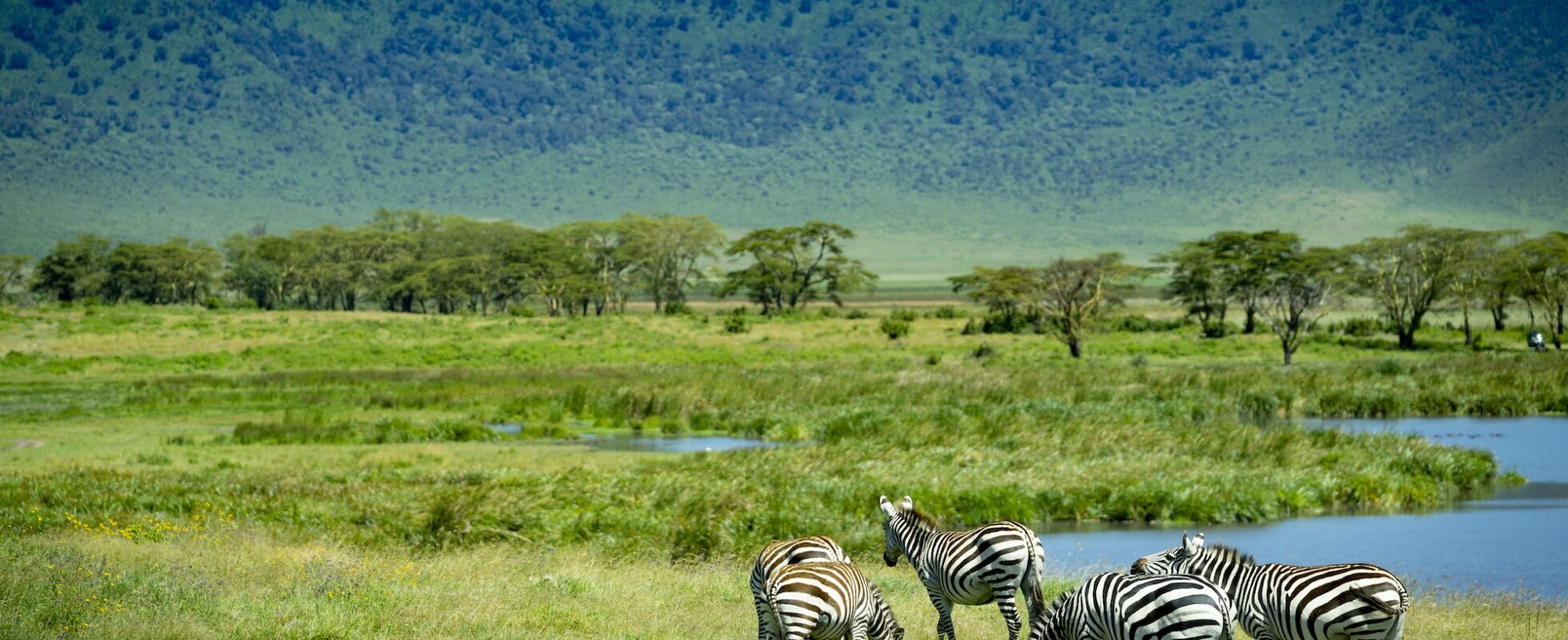
A green season safari from March to May can offer excellent value, dramatic landscapes, rewarding birding and distinctive photography conditions, provided you understand the realities of rain and seasonal travel. For many travellers, the classic Tanzania safari means dry golden grass, blue skies and large concentrations of wildlife around permanent water. That image is beautiful, but it represents only one side of the safari calendar. March, April and May can offer a completely different experience. The landscape becomes greener. Migratory birds are present. Clouds can transform the light. Some areas become quieter. And selected safari properties may offer lower-season rates. The important point is that a green season safari is not simply a cheaper version of a dry-season safari. It is a different experience. You may gain: Lower-season value. Greener landscapes. Dramatic skies. Excellent birding. Fewer visitors in many areas. Seasonal wildlife experiences. Distinctive photography opportunities. But you also need to accept: Rain. Muddy roads in some areas. Potentially slower transfers. Seasonal camp closures. More variable wildlife distribution. For travellers whose priorities match those advantages, March to May can be a surprisingly strong time to visit Tanzania. What Is a Green Season Safari? A green season safari refers to travelling during wetter periods when vegetation responds to seasonal rainfall and landscapes become greener, while wildlife and birding conditions differ from the classic dry season. In Tanzania, March to May is strongly associated with the longer rains, although rainfall varies by location and from year to year. That distinction matters. A green season safari does not necessarily mean three months of continuous rain. You may experience: Sunny mornings. Afternoon showers. Overnight storms. Dramatic thunderstorms. Several dry days. Localised rainfall. Weather can be unpredictable. That unpredictability is one of the main reasons some travellers avoid the period. It is also one of the reasons the season can offer better value. If you are willing to accept some uncertainty, you may get a very different view of Tanzania. Green Season Safari: Why March Can Be a Smart Choice March can be an attractive month for a green season safari because northern Tanzania can combine greener landscapes, seasonal wildlife activity and strong opportunities for photography and birdwatching. March can be particularly interesting for travellers interested in the southern Serengeti ecosystem and the broader seasonal movement of the wildebeest herds. The timing varies from year to year, but the calving season can make this period especially compelling. You may have opportunities to see: Newborn wildebeest. Zebras. Predators following the herds. Migratory birds. Green plains. Dramatic skies. This creates a very different atmosphere from the dry season. If you are interested in understanding how the Serengeti changes throughout the year, the current Serengeti National Park guide is a useful internal resource when planning your route. A March green season safari can therefore be particularly appealing to travellers who want wildlife and seasonal scenery rather than simply the driest possible conditions. Green Season Safari: Why April Gets Misunderstood April is usually the wettest and most weather-sensitive part of the March-to-May period, but an April safari can still be rewarding when the itinerary is designed around the realities of the rains. The phrase “April safari rains” can make the month sound completely unsuitable. That is too simplistic. Rain does not necessarily mean that the entire day is lost. A day may contain: A clear sunrise. Several hours of dry weather. A heavy afternoon shower. Dramatic clouds. Sunshine after rain. However, April does require flexibility. Heavy rainfall can affect: Unpaved roads. Transfer times. Walking activities. Some remote areas. Photography. Camp accessibility. This means an April safari should not be planned exactly like a July safari. A good operator should consider the season when selecting the route and accommodation. Green Season Safari: Why May Can Offer Excellent Value May can be attractive for a green season safari because it remains part of the traditional low season while offering green landscapes, strong birding potential and the possibility of quieter safari conditions. May can be a particularly interesting month for travellers who prioritise value. Some properties use lower-season pricing during April and May. For example, Odysseys From Africa’s current Short Serengeti itinerary lists April 1 to May 31 as its low season, with rates varying by accommodation tier and group size. That is a useful illustration of why travellers should compare actual seasonal rates rather than assuming every month costs the same. The same principle applies to longer itineraries. The current Tanzania safari options show multiple itineraries with different seasonal pricing structures. May therefore deserves consideration if your priority is value rather than guaranteed sunshine. Green Season Safari: The Biggest Advantage Is Value The strongest financial argument for a green season safari is that quieter travel periods can sometimes provide access to better accommodation or longer itineraries for the same budget. But “low season” does not automatically mean “cheap.” Your final price depends on: Accommodation. Number of travellers. Vehicle arrangement. Safari duration. Park fees. Domestic flights. Room category. Destination. Exact travel dates. This is why low season Tanzania value should be judged by the entire experience. Suppose you have a fixed budget. Instead of spending the entire budget on a shorter peak-season safari, you might be able to consider: An additional night. A better accommodation category. A private vehicle. A specialist guide. More time in one destination. That is where green-season value becomes meaningful. The objective should not simply be: “How cheap can I make my safari?” It should be: “How much safari experience can I get for my budget?” Green Season Safari: Fewer Visitors Can Change the Experience A green season safari can feel more peaceful because visitor numbers are generally lower during traditionally quieter periods, although popular parks are never guaranteed to be empty. This matters to travellers who dislike crowded wildlife sightings. A quieter safari may mean: Fewer vehicles around some sightings. Less competition for photographic positions. More peaceful game drives. More flexibility at sightings. A stronger sense of wilderness. The experience can also feel slower. You may…
Read More