
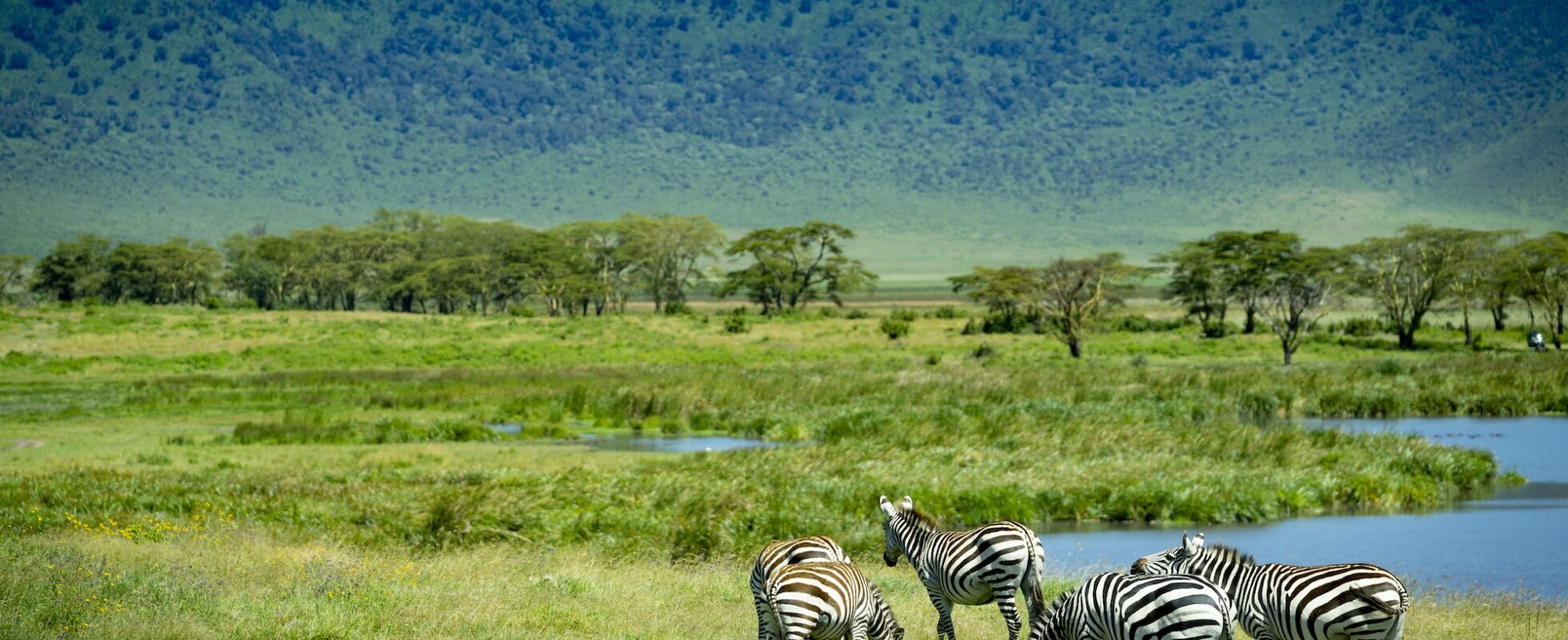
Green Season Safari: Why March to May Can Be the Best Trip
A green season safari from March to May can offer excellent value, dramatic landscapes, rewarding birding and distinctive photography conditions, provided you understand the realities of rain and seasonal travel. For many travellers, the classic Tanzania safari means dry golden grass, blue skies and large concentrations of wildlife around permanent water.
A green season safari from March to May can offer excellent value, dramatic landscapes, rewarding birding and distinctive photography conditions, provided you understand the realities of rain and seasonal travel.
For many travellers, the classic Tanzania safari means dry golden grass, blue skies and large concentrations of wildlife around permanent water.
That image is beautiful, but it represents only one side of the safari calendar.
March, April and May can offer a completely different experience.
The landscape becomes greener.
Migratory birds are present.
Clouds can transform the light.
Some areas become quieter.
And selected safari properties may offer lower-season rates.
The important point is that a green season safari is not simply a cheaper version of a dry-season safari.
It is a different experience.
You may gain:
- Lower-season value.
- Greener landscapes.
- Dramatic skies.
- Excellent birding.
- Fewer visitors in many areas.
- Seasonal wildlife experiences.
- Distinctive photography opportunities.
But you also need to accept:
- Rain.
- Muddy roads in some areas.
- Potentially slower transfers.
- Seasonal camp closures.
- More variable wildlife distribution.
For travellers whose priorities match those advantages, March to May can be a surprisingly strong time to visit Tanzania.
What Is a Green Season Safari?
A green season safari refers to travelling during wetter periods when vegetation responds to seasonal rainfall and landscapes become greener, while wildlife and birding conditions differ from the classic dry season.
In Tanzania, March to May is strongly associated with the longer rains, although rainfall varies by location and from year to year.
That distinction matters.
A green season safari does not necessarily mean three months of continuous rain.
You may experience:
- Sunny mornings.
- Afternoon showers.
- Overnight storms.
- Dramatic thunderstorms.
- Several dry days.
- Localised rainfall.
Weather can be unpredictable.
That unpredictability is one of the main reasons some travellers avoid the period.
It is also one of the reasons the season can offer better value.
If you are willing to accept some uncertainty, you may get a very different view of Tanzania.
Green Season Safari: Why March Can Be a Smart Choice
March can be an attractive month for a green season safari because northern Tanzania can combine greener landscapes, seasonal wildlife activity and strong opportunities for photography and birdwatching.
March can be particularly interesting for travellers interested in the southern Serengeti ecosystem and the broader seasonal movement of the wildebeest herds.
The timing varies from year to year, but the calving season can make this period especially compelling.
You may have opportunities to see:
- Newborn wildebeest.
- Zebras.
- Predators following the herds.
- Migratory birds.
- Green plains.
- Dramatic skies.
This creates a very different atmosphere from the dry season.
If you are interested in understanding how the Serengeti changes throughout the year, the current Serengeti National Park guide is a useful internal resource when planning your route.
A March green season safari can therefore be particularly appealing to travellers who want wildlife and seasonal scenery rather than simply the driest possible conditions.
Green Season Safari: Why April Gets Misunderstood
April is usually the wettest and most weather-sensitive part of the March-to-May period, but an April safari can still be rewarding when the itinerary is designed around the realities of the rains.
The phrase “April safari rains” can make the month sound completely unsuitable.
That is too simplistic.
Rain does not necessarily mean that the entire day is lost.
A day may contain:
- A clear sunrise.
- Several hours of dry weather.
- A heavy afternoon shower.
- Dramatic clouds.
- Sunshine after rain.
However, April does require flexibility.
Heavy rainfall can affect:
- Unpaved roads.
- Transfer times.
- Walking activities.
- Some remote areas.
- Photography.
- Camp accessibility.
This means an April safari should not be planned exactly like a July safari.
A good operator should consider the season when selecting the route and accommodation.
Green Season Safari: Why May Can Offer Excellent Value
May can be attractive for a green season safari because it remains part of the traditional low season while offering green landscapes, strong birding potential and the possibility of quieter safari conditions.
May can be a particularly interesting month for travellers who prioritise value.
Some properties use lower-season pricing during April and May.
For example, Odysseys From Africa’s current Short Serengeti itinerary lists April 1 to May 31 as its low season, with rates varying by accommodation tier and group size.
That is a useful illustration of why travellers should compare actual seasonal rates rather than assuming every month costs the same.
The same principle applies to longer itineraries.
The current Tanzania safari options show multiple itineraries with different seasonal pricing structures.
May therefore deserves consideration if your priority is value rather than guaranteed sunshine.
Green Season Safari: The Biggest Advantage Is Value
The strongest financial argument for a green season safari is that quieter travel periods can sometimes provide access to better accommodation or longer itineraries for the same budget.
But “low season” does not automatically mean “cheap.”
Your final price depends on:
- Accommodation.
- Number of travellers.
- Vehicle arrangement.
- Safari duration.
- Park fees.
- Domestic flights.
- Room category.
- Destination.
- Exact travel dates.
This is why low season Tanzania value should be judged by the entire experience.
Suppose you have a fixed budget.
Instead of spending the entire budget on a shorter peak-season safari, you might be able to consider:
- An additional night.
- A better accommodation category.
- A private vehicle.
- A specialist guide.
- More time in one destination.
That is where green-season value becomes meaningful.
The objective should not simply be:
“How cheap can I make my safari?”
It should be:
“How much safari experience can I get for my budget?”
Green Season Safari: Fewer Visitors Can Change the Experience
A green season safari can feel more peaceful because visitor numbers are generally lower during traditionally quieter periods, although popular parks are never guaranteed to be empty.
This matters to travellers who dislike crowded wildlife sightings.
A quieter safari may mean:
- Fewer vehicles around some sightings.
- Less competition for photographic positions.
- More peaceful game drives.
- More flexibility at sightings.
- A stronger sense of wilderness.
The experience can also feel slower.
You may spend more time simply observing the landscape rather than moving from one major sighting to another.
For repeat safari travellers, this can be particularly attractive.
Green Season Safari: Photography Can Be Exceptional
A green season safari can be particularly rewarding for photographers because clouds, fresh vegetation, soft light and changing weather create images that look very different from classic dry-season photographs.
Photography is not simply about sunshine.
In fact, harsh midday sunlight can sometimes make wildlife photography difficult.
Green-season conditions can produce:
- Soft morning light.
- Dramatic storm clouds.
- Reflections.
- Rich green backgrounds.
- Atmospheric horizons.
- Backlighting.
- Rain curtains in the distance.
Imagine a lion standing on a green plain beneath a dark thundercloud.
Or elephants moving through fresh vegetation while rain falls in the distance.
These are not the stereotypical golden safari photographs.
That is precisely what makes them interesting.
Travellers primarily interested in photography can also explore the site’s photographic safari options when considering a specialist itinerary. The company currently positions its Tanzania offerings around tailor-made safari experiences, including photographic travel.
Green Season Safari: Birding Gets Even More Interesting
For birdwatchers, a green season safari can be highly rewarding because seasonal conditions can support migratory birds, resident species, breeding activity and increased bird activity across different habitats.
The wetter season changes the landscape.
Vegetation becomes more productive.
Insects become more available.
Water sources change.
Migratory species can add to the resident bird population.
A birding-focused green season safari can therefore include:
- Raptors.
- Waterbirds.
- Migratory species.
- Woodland birds.
- Grassland birds.
- Forest-edge species.
If birding is one of your priorities, your safari should be designed around the birds you want to see rather than simply adding binoculars to a conventional game-drive itinerary.
This may affect:
- Destination selection.
- Guide choice.
- Driving times.
- Number of nights.
- Early-morning activities.
Green Season Safari: Wildlife Does Not Disappear
One of the biggest misconceptions about a green season safari is that wildlife disappears, when the reality is that animals remain present but their distribution and visibility can change.
During wetter conditions, water becomes more widely available.
Vegetation also becomes more abundant.
As a result, some animals may spread across larger areas.
During the dry season, animals may concentrate around permanent water sources.
That can make them easier to locate.
During the green season, the same animals may be more dispersed.
This does not mean poor wildlife viewing.
It means the experience can require:
- More searching.
- Greater patience.
- An experienced guide.
- A flexible route.
For travellers who enjoy the process of finding wildlife, that can be part of the adventure.
Green Season Safari: The Calving Season Advantage
For travellers visiting northern Tanzania at the right time, a green season safari can coincide with the annual wildebeest calving period, adding newborn animals and predator activity to the experience.
The timing of the herds is influenced by environmental conditions and should never be treated as an exact guarantee.
But when the herds are in the southern Serengeti and surrounding areas, the experience can be extraordinary.
The calving season can bring opportunities to observe:
- Newborn wildebeest.
- Protective mothers.
- Predators.
- Hyenas.
- Lions.
- Cheetahs.
- Large herds.
This is one reason March can be more attractive than travellers sometimes expect.
A seasonal safari is about following ecological patterns rather than simply following the calendar.
Green Season Safari: April Safari Rains Are the Main Trade-Off
The principal disadvantage of a green season safari is rainfall, especially during the longer rains, because heavy weather can affect roads, transfers and access to some areas.
You should be prepared for:
- Mud.
- Wet roads.
- Delayed transfers.
- Damp clothing.
- Wet camera equipment.
- Changes to activities.
But you should also remember that rain can be localised.
It is entirely possible for one part of the safari area to receive heavy rain while another remains relatively dry.
This is why experienced local planning matters.
A professional safari operator should consider seasonal road conditions when building your itinerary.
Green Season Safari: Roads and Accessibility
Road conditions deserve more attention during a green season safari because heavy rain can make some unpaved roads slower or temporarily difficult to navigate.
Before booking, ask:
- Which roads will be used?
- How long are the transfers?
- Are alternative routes available?
- Is the accommodation open during the wet period?
- How does the operator handle weather-related delays?
Do not assume that an itinerary designed for the dry season will work identically in April.
Sometimes the best solution is to shorten a long overland transfer or use a flight.
The right choice depends on the specific route.
Green Season Safari: Some Camps Close Seasonally
Seasonal camp closures are another reason to plan a green season safari carefully because not every accommodation property operates throughout the year.
Before paying a deposit, confirm:
- The camp is open.
- Your room category is available.
- Road access is suitable.
- Included activities are operating.
- Transfers are possible during your dates.
This is particularly important when comparing online safari itineraries.
A property appearing on a website does not automatically mean it is available on every date.
Green Season Safari: Is It Good for First-Time Visitors?
A green season safari can work very well for first-time visitors when expectations are set honestly and the itinerary is designed around seasonal conditions.
First-time travellers sometimes imagine that the “real” safari experience requires:
- Dry grass.
- Dusty roads.
- Blue skies.
- Animals gathered around water.
Those conditions can be wonderful.
But Tanzania is not one-dimensional.
The green season reveals:
- Fresh vegetation.
- Different colours.
- Dramatic skies.
- Seasonal birdlife.
- Different animal behaviour.
- A quieter atmosphere.
If your dream is specifically a dry-season safari, choose accordingly.
If you are open to something different, the green season can be an excellent introduction.
Green Season Safari: Who Should Choose It?
A green season safari is particularly suitable for travellers who value photography, birding, scenery, lower-season value and a quieter atmosphere more than guaranteed dry weather.
It can be a strong choice for:
Photographers
Clouds and soft light can create dramatic images.
Birdwatchers
Migratory and resident species can make the season particularly productive.
Repeat safari travellers
The green season offers a different perspective from a previous dry-season visit.
Value-conscious travellers
Lower-season rates can sometimes stretch the budget further.
Flexible travellers
People who are comfortable adapting to weather conditions can benefit most.
Green Season Safari: Who Should Think Twice?
A green season safari may not be ideal for travellers who strongly dislike rain, have very limited time or need highly predictable road conditions.
You may prefer another season if:
- Rain would significantly reduce your enjoyment.
- You have only two or three days.
- You require a specific seasonal camp.
- You want consistently dry walking conditions.
- Your priority is maximum predictability.
There is no universally best safari month.
There is only the best month for your priorities.
Green Season Safari: March vs April vs May
March, April and May should not be treated as identical because rainfall, wildlife movement, accommodation availability and travel conditions can vary across the three months.
| Month | Main Appeal | Main Trade-Off |
|---|---|---|
| March | Calving opportunities, green landscapes, birding and wildlife | Rainfall increasing |
| April | Quiet atmosphere, lush scenery and potential value | Higher rainfall risk |
| May | Low-season value, green scenery and birding | Wet conditions can continue |
These are broad planning patterns rather than guarantees.
Weather varies from year to year.
Your exact destination also matters.
Green Season Safari: Compare the Cost Before Booking
The best way to judge green season safari value is to compare complete quotations rather than focusing only on the advertised starting price.
Look at:
- Accommodation.
- Park fees.
- Meals.
- Vehicle.
- Guide.
- Transfers.
- Flights.
- Activities.
- Taxes.
- Number of nights.
Odysseys From Africa’s current safari listings demonstrate why seasonal comparisons matter. For example, its Serengeti and Ngorongoro itinerary currently lists a low-season period from April 1 to May 31, with different rates depending on accommodation tier and group size.
This means a traveller should ask for a quotation for their exact dates rather than assuming a generic “low-season price.”
Green Season Safari: How to Get More Value From Your Budget
The smartest way to use green-season savings is to redirect part of the potential saving into the elements that most improve your personal safari experience.
Depending on your priorities, that might mean:
Add a night
Extra time gives you more flexibility when weather changes.
Upgrade accommodation
A quieter season can sometimes make a higher accommodation category more attainable.
Choose a private vehicle
This provides more flexibility for wildlife viewing and photography.
Add specialist guiding
Birders and photographers can benefit from specialised expertise.
Combine habitats
A more diverse route can increase the range of experiences.
The objective is not simply to reduce the invoice.
It is to improve the overall value of the trip.
Green Season Safari: Should You Choose a Private Vehicle?
A private vehicle can be particularly useful during a green season safari because it gives you more flexibility when wildlife is dispersed or weather changes your plans.
With a private vehicle, you can potentially:
- Change the day’s route.
- Spend longer at a sighting.
- Leave earlier.
- Stop for birds.
- Adapt to changing light.
- Avoid rushing between locations.
For photographers and birders, this flexibility can be especially valuable.
For couples or small groups, compare the additional cost against the flexibility you gain.
Green Season Safari: What to Pack
Packing for a green season safari requires additional rain protection while still allowing for warm and sunny conditions.
Consider packing:
- Lightweight waterproof jacket.
- Quick-drying trousers.
- Waterproof backpack cover.
- Dry bags.
- Extra socks.
- Comfortable walking shoes.
- Camera rain cover.
- Lens cloths.
- Binoculars.
- Sun hat.
- Sunscreen.
- Lightweight layers.
Do not forget that the same day can contain rain and strong sunshine.
You need to prepare for both.
For a broader packing checklist, the Odysseys From Africa website currently lists What to Pack among its Tanzania safari resources.
Green Season Safari: Protect Your Camera Equipment
Rain protection is especially important on a green season safari if photography is a major reason for travelling.
Consider:
- Waterproof camera covers.
- Dry bags.
- Microfibre cloths.
- Waterproof backpack protection.
- Spare batteries.
- Lens protection.
Keep equipment accessible but protected.
Some of the best photographs can happen immediately after a storm, when the light changes and the landscape appears fresh and saturated.
Green Season Safari: Combine Wildlife and Birding
A green season safari can be ideal for mixed-interest travellers because the same itinerary can combine large mammals, migratory birds, resident species and dramatic seasonal landscapes.
A single morning could involve:
- Wildebeest.
- Zebra.
- Lions.
- Raptors.
- Migratory birds.
The afternoon could bring:
- Thunderclouds.
- Green plains.
- Rainbows.
- Golden light.
- Fresh vegetation.
This makes the green season particularly interesting for travellers who want more than a Big Five checklist.
Green Season Safari: How Long Should You Stay?
A longer green season safari can provide greater flexibility because weather conditions can vary from day to day and additional nights create more opportunities for wildlife and photography.
A short itinerary can work.
But if you have flexibility, additional nights can help absorb:
- Rain.
- Road delays.
- Slow wildlife sightings.
- Photography stops.
- Birding opportunities.
For example, Odysseys From Africa currently offers a five-day Serengeti and Ngorongoro itinerary and longer northern Tanzania options, allowing travellers to compare different trip lengths.
Green Season Safari: The Honest Trade-Off
A green season safari is not a secret formula for getting a peak-season experience at half price; it is a different safari season with genuine benefits and genuine compromises.
You may gain:
- Lower-season value.
- Fewer visitors.
- Green landscapes.
- Migratory birds.
- Excellent photography.
- Seasonal wildlife.
- Dramatic skies.
You may give up:
- Predictable dry weather.
- Easy road conditions.
- Some seasonal accommodation options.
- Concentrated wildlife in certain locations.
That is the honest calculation.
The green season is attractive because its benefits may matter more to you than its disadvantages.
Green Season Safari: 9 Reasons to Consider March to May
A green season safari can be an excellent choice when its advantages match your priorities and you are prepared for the weather.
1. Potentially better accommodation value
Some properties offer lower-season rates.
2. Fewer visitors
Many areas can feel quieter.
3. Greener landscapes
The scenery changes dramatically.
4. Excellent birding
Migratory and resident birds add variety.
5. Dramatic photography
Clouds and soft light create distinctive images.
6. Seasonal wildlife
Calving and other seasonal behaviours can be major attractions.
7. More flexible budgets
Savings may allow additional nights or accommodation upgrades.
8. A different Serengeti experience
The landscape looks very different from the classic dry season.
9. Strong value for flexible travellers
If weather is not your main concern, the overall experience can be compelling.
Frequently Asked Questions About Green Season Safari
Is March a good month for a green season safari?
Yes. March can be a particularly interesting month for travellers interested in green landscapes, seasonal wildlife, birding and the possibility of calving-season experiences in northern Tanzania.
Rainfall can increase as the month progresses, so expectations should be realistic.
Is April too rainy for a Tanzania safari?
April is wetter and can present more challenging road conditions, but it is not automatically a bad month for a safari.
It can suit travellers who value lower-season travel and green landscapes.
Is May good for a Tanzania safari?
May can offer good low-season value, green scenery, birding and potentially fewer visitors, although rain can continue in some areas.
Is a green season safari cheaper?
It can be cheaper at some properties and on some itineraries, but pricing varies by accommodation, dates, group size and destination.
Always request an exact quotation.
Are animals harder to see during the green season?
They can be more dispersed in some areas because water and vegetation are more widely available, but wildlife remains present throughout the ecosystem.
Is green season good for photography?
Yes. Green landscapes, dramatic clouds, soft light and changing weather can create exceptional photographic conditions.
Is green season good for birdwatching?
Yes. Migratory and resident birds can make March to May particularly attractive for bird-focused travellers.
Will it rain every day?
No. Rainfall varies considerably by location and date, and wet-season days can include long periods of sunshine.
Do all safari camps stay open?
No. Some properties operate seasonally, so accommodation availability should be confirmed for your exact dates.
Should I choose a private vehicle?
A private vehicle can be worthwhile if flexibility, photography, birding or a slower safari pace is important to you.
Conclusion: Green Season Safari Is About Value, Not Just Price
A green season safari from March to May can be one of Tanzania’s most rewarding options for travellers who value quieter landscapes, seasonal wildlife, birding, photography and potentially stronger accommodation value.
But the decision should be honest.
You are accepting:
- Rain.
- Variable road conditions.
- Greater weather uncertainty.
- Possible seasonal closures.
In return, you may experience:
- Green landscapes.
- Dramatic skies.
- Migratory birds.
- Seasonal wildlife.
- Fewer visitors.
- Better value.
- A completely different visual experience.
The biggest mistake is choosing a green season safari simply because somebody says it is cheaper.
Choose it because its advantages match what you want from your safari.
If you are flexible, curious and prepared for changing weather, March to May deserves serious consideration.
Plan Your Green Season Safari With Odysseys From Africa
A tailor-made itinerary can help you take advantage of the green season while accounting for rainfall, road conditions, accommodation availability and your own priorities.
Odysseys From Africa describes its safari approach as tailor-made, with itineraries adjusted to travellers’ dates, style and budget.
When planning a green season safari, tell your safari specialist whether your priority is:
- Wildlife.
- Birding.
- Photography.
- Accommodation value.
- Fewer visitors.
- Calving-season experiences.
- A slower itinerary.
You can also explore the company’s current Tanzania and Kenya safari itineraries before requesting a customised route.
For a more specific northern Tanzania route, the current Serengeti and Ngorongoro safari provides another useful starting point for comparing itinerary length and seasonal pricing.