

 From $1,220
Tanzania's captivating landscapes
Explore Tanzania's captivating landscapes, vibrant culture, and abundant wildlife, where every moment unveils the beauty of the world.

About Odysseys From Africa
Adventures. Memories. Forever.
Odysseys From Africa is a premier East African touring company, offering unforgettable safaris and cultural experiences in Kenya and Tanzania. Committed to sustainable tourism, they provide personalized itineraries that highlight the region’s stunning landscapes, diverse wildlife, and rich cultural heritage.
Our Mission
At Odysseys from Africa we are committed to conservation, cultural appreciation, and responsible tourism, we strive to provide unparalleled adventures in Africa’s most iconic landscapes, fostering a deep appreciation for wildlife and local communities. Our photographic safaris are aimed to transform every traveller into a photographer appreciating nature through the lens.
Our Vision
We aspire to offer competitive safari options with honest opinions regarding safari destinations, budgets and the best times to go on safari. As our motto goes, ‘Wild Adventures, Timeless Memories…’ we believe in creating authentic experiences and build a relationship with our customers that will keep them coming back to Africa and go on safari with us!
Our Core Values
Every journey is a story waiting to be told
From $1,220 From $2,305
 From $955
 From $2,250From $1,635
 From $1,920
 From $335
 From $420
Safari is in our blood
Being a company whose founders were born and raised in Tanzania, we are very well conversant with the safari world and experts in crafting the perfect itineraries.
Customer-centric
Putting our customers at the heart of everything we do, we tailor our services to meet their needs and exceed their expectations
Expert Knowledge
Our local guides possess in-depth knowledge ensuring a rich and informative experience.
Reliable
Our commitment to reliability ensures consistent performance and peace of mind for our customers.
Eco-friendly
We prioritize environmental responsibility with eco-friendly practices that reduce our footprint and contribute to a sustainable future.
Reasonable prices
Our prices ensure that customers always receive the best value for their money, backed by our commitment to fairness and transparency.
Memories of a lifetime
As our motto goes, 'Wild Adventures, Timeless Memories...' you will go back with a bag full of memories!
Tanzania specialist
Luxury safaris in Tanzania, designed by people who live here.
From the Great Migration in the Serengeti to the Big Five of Ngorongoro and the white-sand coastline of Zanzibar — our team in Arusha builds Tanzania safaris that fit you precisely. 7 to 14 days. 2 to 3 parks. One coordinated trip planner from enquiry to homecoming.
- 7–14
- days, typical safari
- 6
- major national parks
- 1.5M+
- wildebeest on the move
- 24/7
- in-country support
Latest from the Blog
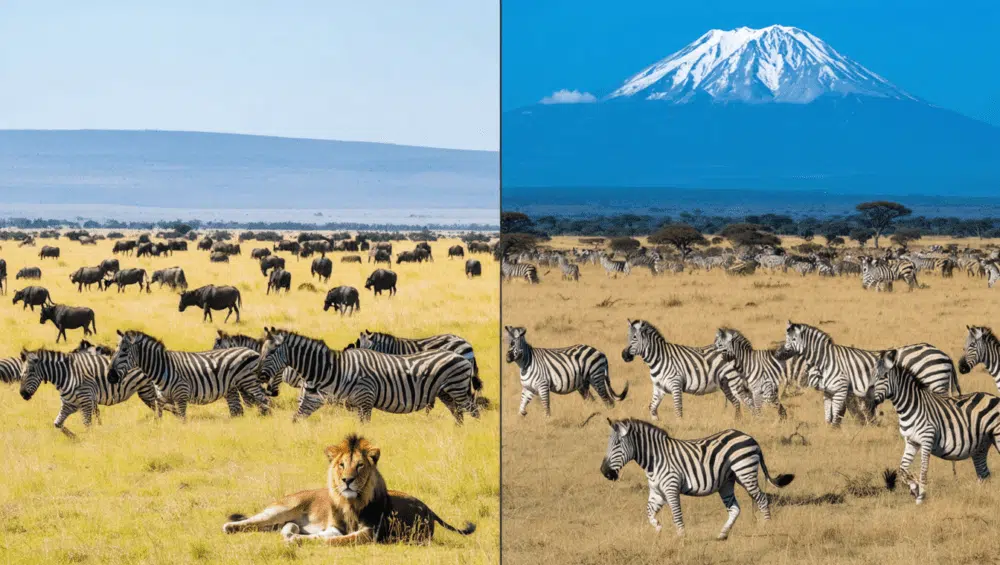
10-Day Kenya and Tanzania Safari Itinerary: Masai Mara to Serengeti
A Kenya and Tanzania safari is one of the most rewarding ways to experience East Africa’s wildlife, landscapes and cultural heritage in a single holiday. By combining Kenya’s famous Masai Mara National Reserve with Tanzania’s legendary Serengeti National Park, travellers can explore two remarkable wildlife destinations connected by the same wider ecosystem. A 10-day safari provides enough time to enjoy extended game drives in both countries, experience the Great Migration when seasonal conditions are favourable, and add the spectacular Ngorongoro Crater to the journey. The route begins in Nairobi, continues to the Masai Mara, crosses into Tanzania through the Isebania–Sirari border and proceeds to the Serengeti. The final part of the journey explores Ngorongoro before ending in Arusha or at Kilimanjaro International Airport. This itinerary is designed for travellers who want a balanced combination of wildlife viewing, comfortable accommodation, scenic road journeys and memorable experiences without rushing through every destination. Why Choose a Kenya and Tanzania Safari? Kenya and Tanzania are home to some of Africa’s most celebrated wildlife destinations. Although the countries share an extensive ecosystem, each offers a different safari experience. Kenya’s Masai Mara is famous for its open grasslands, large predator populations and seasonal wildebeest migration. Tanzania’s Serengeti is much larger and offers extensive plains, varied habitats and opportunities to follow wildlife across different regions throughout the year. Combining the two destinations allows visitors to experience more of the Great Migration ecosystem while exploring different landscapes and conservation areas. A combined safari offers several advantages: Two world-famous wildlife destinations: Explore the Masai Mara and Serengeti on one holiday. Great Migration opportunities: Plan around the seasonal movements of wildebeest and zebra. Big Five viewing: Search for lions, elephants, leopards, buffaloes and rhinoceroses. Different landscapes: Experience open savannah, woodland, river systems, volcanic highlands and crater scenery. Cultural experiences: Learn about local communities and traditions through responsible, locally arranged visits. Flexible travel options: Choose road transfers, scheduled flights or a combination depending on your budget and available time. For first-time visitors to East Africa, a Kenya and Tanzania safari provides an excellent introduction to the region’s wildlife and natural heritage. 10-Day Kenya and Tanzania Safari Itinerary This suggested itinerary starts in Nairobi and ends in Arusha or Kilimanjaro. It includes three nights in the Masai Mara, three nights in the Serengeti and a visit to Ngorongoro Crater. The route can be adjusted according to travel dates, accommodation preferences, wildlife interests and whether you prefer road transfers or flights. Day 1: Arrival in Nairobi, Kenya Your safari begins when you arrive in Nairobi, Kenya’s capital city. Depending on your international flight schedule, you will be welcomed at the airport and transferred to your hotel. Use the first day to relax, recover from your journey and prepare for the safari. If you arrive early, you may have time to explore selected Nairobi attractions, depending on opening hours and your transfer arrangements. Possible activities include visiting the Giraffe Centre, exploring the Karen area or enjoying a city sightseeing experience. Your safari team can also brief you on the itinerary, packing requirements, park regulations and travel arrangements. Overnight: Nairobi hotel. Day 2: Nairobi to Masai Mara National Reserve After breakfast, depart Nairobi for the Masai Mara National Reserve. The road journey takes you through Kenya’s Great Rift Valley, offering opportunities to appreciate the dramatic escarpments, rural settlements and changing landscapes along the way. You will continue towards the Mara region, arriving at your lodge or tented camp in time for lunch or an afternoon activity, depending on the departure time and road conditions. After settling in, enjoy your first afternoon game drive. The Masai Mara is known for its rich wildlife populations. Look out for elephants, giraffes, zebras, wildebeest, buffaloes and several antelope species. Lions, cheetahs and leopards are among the predators that make the reserve particularly exciting. Overnight: Masai Mara lodge or tented camp. Day 3: Full-Day Game Drive in the Masai Mara Spend a full day exploring the Masai Mara. An early morning game drive offers opportunities to observe wildlife when temperatures are cooler and many animals are active. Your guide will help you search for predators, grazing herds and other wildlife across the reserve. The Mara is particularly famous for its large lion populations, but sightings vary with location, season and natural conditions. You can either return to camp for lunch and an afternoon game drive or arrange a full-day excursion with a packed lunch, subject to your accommodation and reserve arrangements. During the Great Migration season, the Mara River area can provide opportunities to observe wildebeest and zebra gathering near crossing points. River crossings are natural events and cannot be guaranteed on a particular day. Overnight: Masai Mara lodge or tented camp. Day 4: More Wildlife Experiences in the Masai Mara Enjoy another full day in the Masai Mara, allowing more time to explore different sections of the reserve or a nearby conservancy. A second full day is valuable because wildlife sightings are never guaranteed in one location. Moving through different habitats can improve your opportunities to see a wider range of animals. Depending on your interests and accommodation location, activities may include: Morning and afternoon game drives. Searching for big cats across open grasslands. Exploring riverine habitats and seasonal wetlands. Birdwatching and wildlife photography. A responsibly arranged cultural visit with a local Maasai community. Some conservancies offer additional activities such as guided nature walks or night drives, subject to their individual regulations. These activities should not be assumed to be available inside the main national reserve. Overnight: Masai Mara lodge or tented camp. Day 5: Masai Mara to Serengeti via Isebania–Sirari Border Today is one of the most important travel days on your Kenya and Tanzania safari. After breakfast, depart the Masai Mara and travel towards the Isebania border crossing on the Kenyan side, which connects to Sirari in Tanzania. At the border, you will complete the required immigration and customs procedures. Your safari operator will coordinate the onward arrangements, including the vehicle and guide transfer where required….
Read More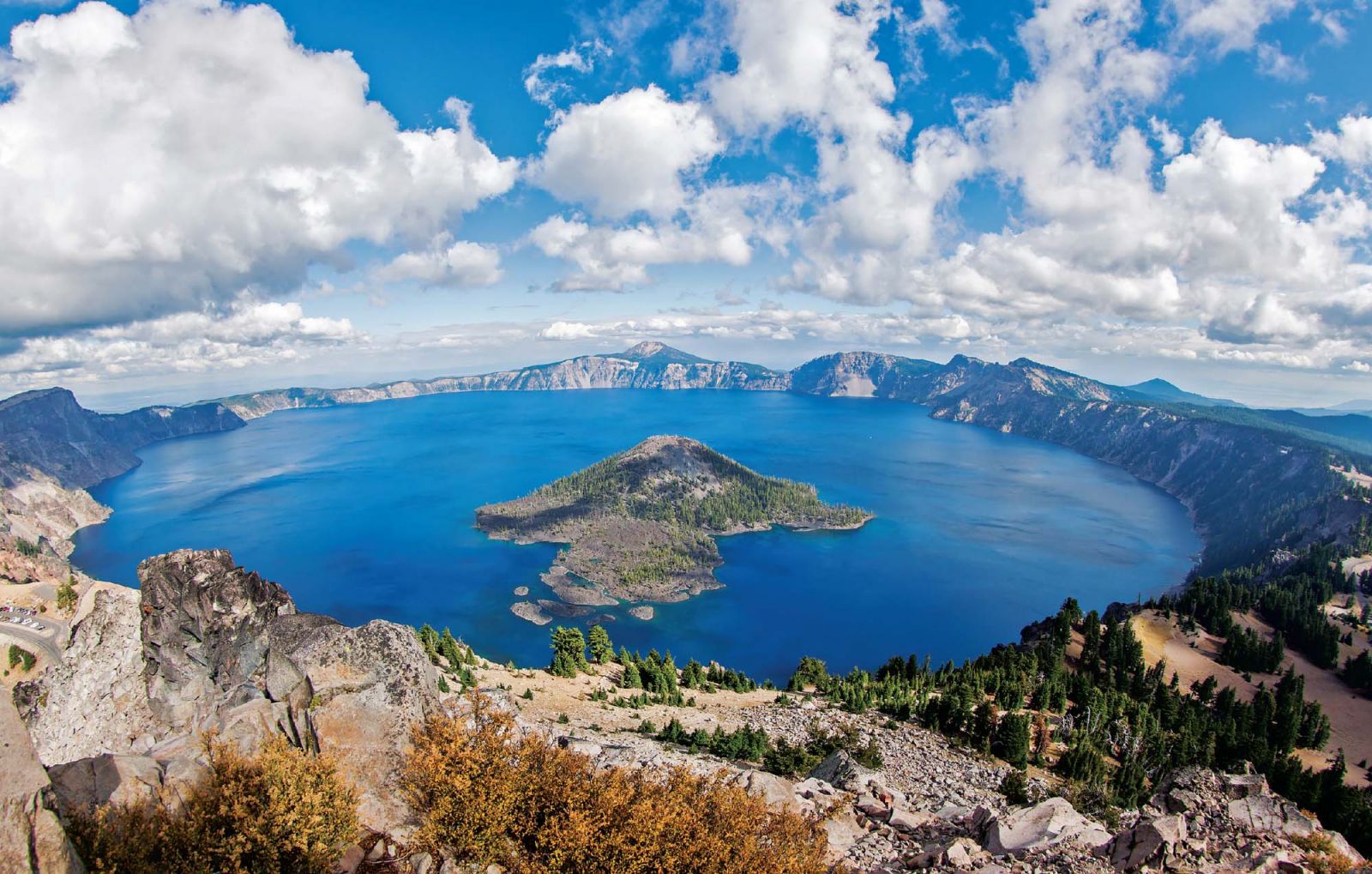
Crater Lakes of East Africa: Lake Chala, Ngorongoro and More
East Africa is famous for its dramatic landscapes, from the Great Rift Valley and Mount Kilimanjaro to the vast savannahs of Tanzania and Kenya. Among its most fascinating natural features are volcanic crater lakes: deep or shallow bodies of water formed when volcanic activity creates a depression that later fills with rainwater, groundwater or springs. The crater lakes in eastern Africa offer more than beautiful scenery. They reveal the region’s volcanic history, support unusual ecosystems and provide memorable experiences for visitors interested in nature, photography, birdwatching and adventure. Some are surrounded by steep forested walls, while others occupy the floors of enormous volcanic calderas. Lake Chala, Lake Duluti and Empakaai are notable examples in Tanzania. The Ngorongoro Crater also contains Lake Magadi, a shallow alkaline lake that adds to the area’s remarkable landscape. Whether you are planning a Kilimanjaro holiday, a northern Tanzania safari or a wider East African adventure, these lakes are worth understanding and exploring. What Are Crater Lakes? A crater lake is a body of water that occupies a volcanic crater or caldera. These formations develop through volcanic processes, although not every crater lake forms in exactly the same way. A volcanic crater may form when an eruption releases magma, ash and gases, leaving a depression around a volcanic vent. A caldera is generally much larger and forms when the ground above a partly emptied magma chamber collapses. Over time, rainwater, underground springs and surface drainage can collect inside these depressions. When enough water accumulates, a lake develops. The characteristics of crater lakes vary according to their geology, water sources, climate and surrounding environment. Some contain fresh water, while others are alkaline or saline. Their colours can range from deep blue and green to turquoise, depending on water chemistry, depth, light and suspended material. The crater lakes in eastern Africa are particularly interesting because they occur within a region shaped by volcanic activity and the East African Rift system. They provide opportunities to understand how geology, climate and biodiversity interact. Lake Chala: A Beautiful Crater Lake Near Mount Kilimanjaro Lake Chala is one of the most distinctive crater lakes in East Africa. It lies on the Kenya–Tanzania border, east of Mount Kilimanjaro and near Taveta in Kenya and the Rombo area of Tanzania. The lake occupies a steep-sided volcanic basin, with forested crater walls rising above its water. Its appearance changes with the light and season, creating shades of blue, green and turquoise. Unlike lakes that receive water from large rivers, Lake Chala is largely sustained by groundwater. Research describes its water balance as being influenced by underground inflows and outflows, rainfall and local drainage. Its connection with the Kilimanjaro landscape makes it particularly interesting to visitors exploring the mountain region. What Makes Lake Chala Special? Lake Chala combines geological interest with attractive natural scenery. Its steep crater walls create a sheltered environment, while the surrounding vegetation supports birdlife and other wildlife. One of its most remarkable ecological features is the Lake Chala tilapia, a fish species associated with the lake and recognised for its restricted natural distribution. Visitors can enjoy the scenery from viewpoints around the crater and explore the surrounding landscape where access is permitted. Depending on the facilities and local conditions, activities may include guided walks, birdwatching, photography and time spent enjoying the lakeside environment. Lake Chala is also a useful addition to a Mount Kilimanjaro itinerary. Travellers can consider visiting it before or after a climb, particularly when arranging a trip around Moshi, Taveta or the eastern side of the mountain. For a more detailed destination overview, explore our guide to the Lake Chala Crater Lake near Kilimanjaro. Lake Duluti: A Forest-Surrounded Crater Lake Near Arusha Lake Duluti is another fascinating volcanic lake in northern Tanzania. It is located near Tengeru, approximately 14 kilometres from Arusha city centre. Unlike the wide-open scenery of many safari destinations, Lake Duluti offers a quieter natural setting. The lake is surrounded by a forest reserve that supports birds, reptiles, plants and small mammals. The Tanzania Forest Services Agency identifies the lake and its surrounding forest as important attractions within the reserve. The area is known for its birdlife, forest walks and opportunities to enjoy nature close to Arusha. Activities Around Lake Duluti Lake Duluti is suitable for travellers looking for a relaxing outdoor experience between longer safari or mountain activities. Popular activities include: Birdwatching: Look for waterbirds and other species living around the forest and lake. Canoeing: Where available and permitted, canoeing offers a different perspective of the lake. Forest walks: Explore the vegetation and natural environment around the water. Photography: Capture the lake, forest and surrounding scenery. Nature observation: Learn about the area’s plants, birds and other wildlife. Because it is relatively close to Arusha, Lake Duluti can be considered for a half-day excursion or as part of a broader northern Tanzania itinerary. Empakaai Crater Lake: A Remote Highland Experience Empakaai Crater is located within the Ngorongoro Conservation Area in northern Tanzania. It is known for its steep crater walls, highland scenery and lake occupying part of its floor. The crater provides a different experience from the busy safari routes around Ngorongoro. Its elevated location and surrounding highlands create a cooler environment, with changing vegetation and impressive views across the landscape. The lake is an important feature of the crater ecosystem. Its appearance and water conditions can vary with rainfall and seasonal changes. Why Visit Empakaai? Empakaai appeals to visitors who want to experience more than conventional vehicle-based wildlife viewing. Depending on conservation rules, local conditions and the arrangements made with authorised guides, visitors may explore the crater on foot and enjoy views of the lake from the surrounding slopes. The wider area offers opportunities to appreciate: The scale of a volcanic crater landscape. Highland forests and changing vegetation. Views towards surrounding mountains and volcanic features. Birdlife around the lake and crater environment. The relationship between geology and wildlife habitats. A visit to Empakaai requires more planning than a quick stop near Arusha. Travellers should…
Read More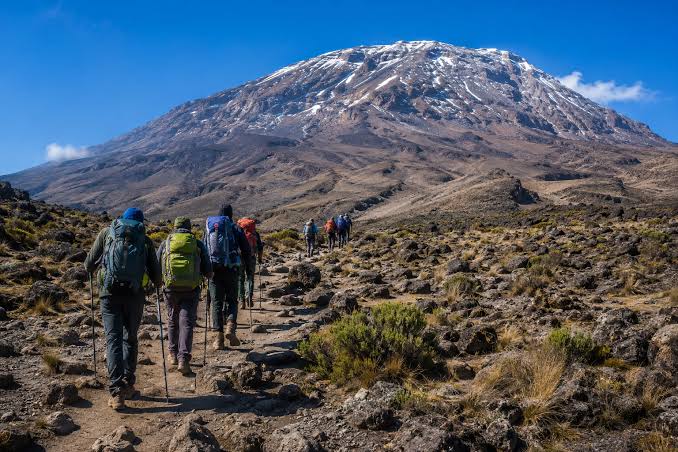
Machame vs Lemosho: Which Kilimanjaro Route Should You Choose?
Choosing the right route is one of the most important decisions when planning to climb Mount Kilimanjaro. Although several trails lead to Uhuru Peak, the experience differs considerably depending on where you start, how many days you spend on the mountain, the scenery you encounter and the time available for acclimatisation. Two of the most popular options are the Machame and Lemosho routes. Both offer spectacular views, varied landscapes and a challenging journey to Africa’s highest mountain. However, they suit different travel schedules and preferences. The Lemosho route is generally the better choice for climbers who want a quieter beginning, more time to acclimatise and a longer trekking experience. Machame is a popular alternative for travellers with a tighter schedule who still want an adventurous and scenic climb. In this guide, we compare Machame vs Lemosho to help you decide which Kilimanjaro route best suits your fitness, available time, expectations and summit ambitions. Machame vs Lemosho: What Is the Main Difference? The main difference between the Machame and Lemosho routes is their starting location, duration and early climbing experience. Machame approaches Kilimanjaro from the southern side, beginning at Machame Gate. It is commonly completed in six or seven days and is one of the busiest climbing routes on the mountain. The Lemosho route approaches from the western side through Londorossi Gate. It usually takes seven or eight days, offering a longer and more gradual introduction to the mountain. Its early sections are generally quieter before joining the Machame trail at higher elevations. Both routes eventually approach the summit through the southern circuit, with climbers commonly passing Barafu Camp before their final ascent towards Uhuru Peak. Here is a quick comparison: Feature Machame Route Lemosho Route Starting side Southern approach Western approach Starting gate Machame Gate Londorossi Gate Typical duration 6–7 days 7–8 days Crowds Generally busier Quieter initially Scenery Rainforest, moorland and alpine desert Rainforest, Shira Plateau and alpine desert Accommodation Mountain camping Mountain camping Acclimatisation Good, particularly on 7 days Generally better on longer itineraries Difficulty Challenging Challenging Best suited to Climbers with limited time Climbers who prefer a gradual itinerary The best choice depends on how much time you can spend on the mountain. A longer itinerary can provide valuable acclimatisation opportunities, although no route guarantees reaching the summit. Understanding the Lemosho Route The Lemosho route is widely regarded as one of the most scenic approaches to Mount Kilimanjaro. It begins on the western side of the mountain, where climbers travel through a remote forest environment before reaching the open landscapes of the Shira Plateau. One of the biggest advantages of the Lemosho route is its gradual progression through different ecological zones. Trekkers experience dense rainforest, open moorland, volcanic landscapes and the high-altitude alpine desert. The longer itinerary also gives climbers more opportunities to adjust to the increasing altitude. How Many Days Does the Lemosho Route Take? The Lemosho route is usually completed in seven or eight days, although longer variations may be available. The eight-day Lemosho route is particularly attractive because it allows additional time for acclimatisation and a more relaxed trekking schedule. A typical eight-day itinerary includes: Day 1: Londorossi Gate to Mti Mkubwa Camp. Day 2: Mti Mkubwa Camp to Shira 1 Camp. Day 3: Shira 1 Camp to Shira 2 Camp. Day 4: Shira 2 Camp towards Lava Tower and onward to Barranco Camp. Day 5: Barranco Camp to Karanga Camp. Day 6: Karanga Camp to Barafu Camp. Day 7: Summit attempt at Uhuru Peak followed by descent to Mweka Camp. Day 8: Descent to Mweka Gate. Actual itineraries can vary between operators, particularly in how they arrange acclimatisation walks and overnight stops. Why Choose the Lemosho Route? The Lemosho route offers several advantages: A quieter beginning: The western approach generally has fewer climbers during the early stages compared with Machame. More acclimatisation time: Seven- and eight-day itineraries provide additional opportunities for the body to adjust to altitude. Exceptional scenery: The route passes through the rainforest and across the spectacular Shira Plateau. A gradual introduction: Its longer schedule can make the overall climbing experience more manageable when properly paced. A rewarding trekking experience: The changing landscapes provide excellent opportunities for photography and experiencing Kilimanjaro’s different ecological zones. For travellers who want to understand the route in greater detail, explore our Lemosho Route Kilimanjaro climb guide. Understanding the Machame Route The Machame route, sometimes called the Whiskey Route, is another popular way to reach the summit of Kilimanjaro. It begins at Machame Gate on the southern side of the mountain. The trail initially passes through rainforest before opening into moorland and more exposed volcanic terrain. Machame is known for its dramatic scenery and varied trekking conditions. It also includes the famous Barranco Wall, a steep section that requires careful scrambling but does not involve technical rock climbing under normal route conditions. How Many Days Does the Machame Route Take? The Machame route is commonly completed in six or seven days. The seven-day Machame route is generally preferable for climbers who can spare the extra time because it provides a more favourable acclimatisation schedule. A typical seven-day itinerary includes: Day 1: Machame Gate to Machame Camp. Day 2: Machame Camp to Shira Cave Camp. Day 3: Shira Camp towards Lava Tower and descent to Barranco Camp. Day 4: Barranco Camp to Karanga Camp. Day 5: Karanga Camp to Barafu Camp. Day 6: Summit attempt at Uhuru Peak followed by descent to Mweka Camp. Day 7: Descent to Mweka Gate. The exact arrangement depends on the climbing programme offered by the operator. Why Choose the Machame Route? Machame is particularly suitable for climbers who want a scenic and established trekking experience. Its main advantages include: A shorter schedule: The six- or seven-day programme can suit travellers with limited holiday time. Spectacular landscapes: Climbers experience rainforest, moorland, volcanic formations and high-altitude desert. A popular climbing trail: Its established camps and route infrastructure make it a familiar option for experienced Kilimanjaro operators. A rewarding challenge: The Barranco Wall…
Read More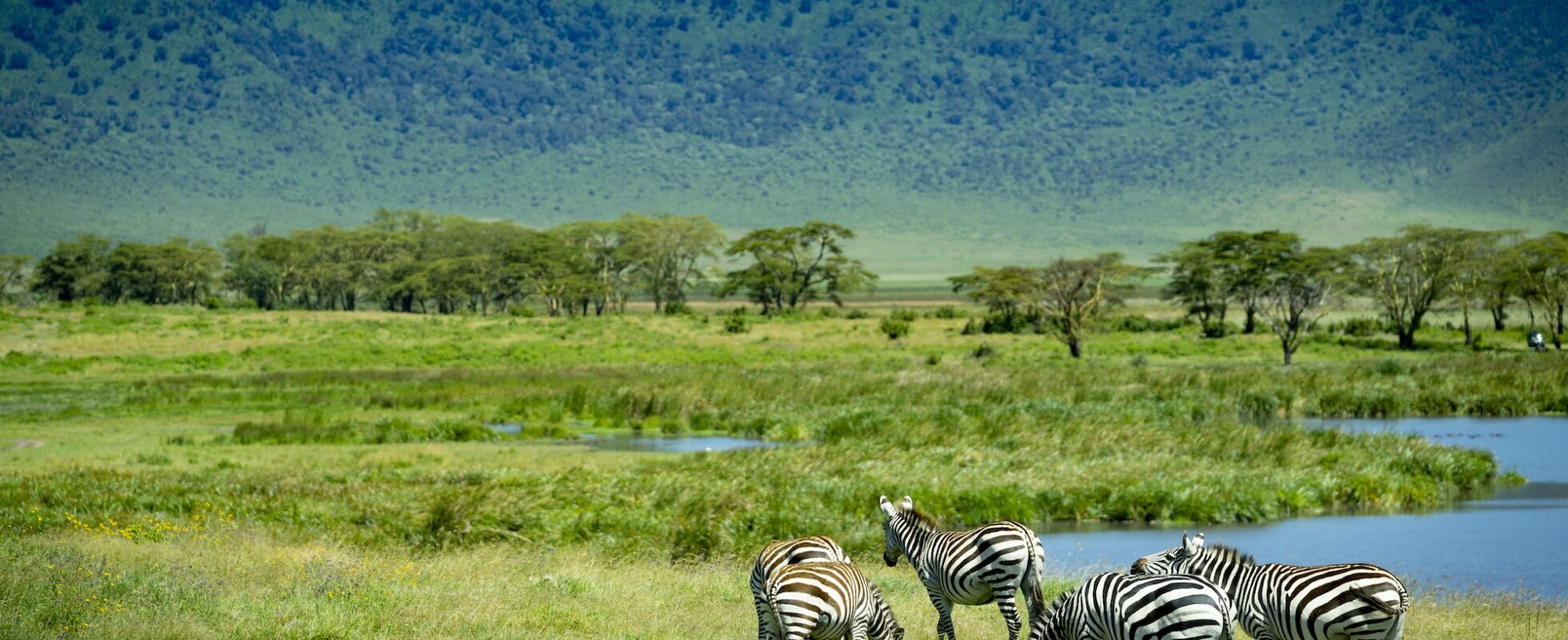
Green Season Safari: Why March to May Can Be the Best Trip
A green season safari from March to May can offer excellent value, dramatic landscapes, rewarding birding and distinctive photography conditions, provided you understand the realities of rain and seasonal travel. For many travellers, the classic Tanzania safari means dry golden grass, blue skies and large concentrations of wildlife around permanent water. That image is beautiful, but it represents only one side of the safari calendar. March, April and May can offer a completely different experience. The landscape becomes greener. Migratory birds are present. Clouds can transform the light. Some areas become quieter. And selected safari properties may offer lower-season rates. The important point is that a green season safari is not simply a cheaper version of a dry-season safari. It is a different experience. You may gain: Lower-season value. Greener landscapes. Dramatic skies. Excellent birding. Fewer visitors in many areas. Seasonal wildlife experiences. Distinctive photography opportunities. But you also need to accept: Rain. Muddy roads in some areas. Potentially slower transfers. Seasonal camp closures. More variable wildlife distribution. For travellers whose priorities match those advantages, March to May can be a surprisingly strong time to visit Tanzania. What Is a Green Season Safari? A green season safari refers to travelling during wetter periods when vegetation responds to seasonal rainfall and landscapes become greener, while wildlife and birding conditions differ from the classic dry season. In Tanzania, March to May is strongly associated with the longer rains, although rainfall varies by location and from year to year. That distinction matters. A green season safari does not necessarily mean three months of continuous rain. You may experience: Sunny mornings. Afternoon showers. Overnight storms. Dramatic thunderstorms. Several dry days. Localised rainfall. Weather can be unpredictable. That unpredictability is one of the main reasons some travellers avoid the period. It is also one of the reasons the season can offer better value. If you are willing to accept some uncertainty, you may get a very different view of Tanzania. Green Season Safari: Why March Can Be a Smart Choice March can be an attractive month for a green season safari because northern Tanzania can combine greener landscapes, seasonal wildlife activity and strong opportunities for photography and birdwatching. March can be particularly interesting for travellers interested in the southern Serengeti ecosystem and the broader seasonal movement of the wildebeest herds. The timing varies from year to year, but the calving season can make this period especially compelling. You may have opportunities to see: Newborn wildebeest. Zebras. Predators following the herds. Migratory birds. Green plains. Dramatic skies. This creates a very different atmosphere from the dry season. If you are interested in understanding how the Serengeti changes throughout the year, the current Serengeti National Park guide is a useful internal resource when planning your route. A March green season safari can therefore be particularly appealing to travellers who want wildlife and seasonal scenery rather than simply the driest possible conditions. Green Season Safari: Why April Gets Misunderstood April is usually the wettest and most weather-sensitive part of the March-to-May period, but an April safari can still be rewarding when the itinerary is designed around the realities of the rains. The phrase “April safari rains” can make the month sound completely unsuitable. That is too simplistic. Rain does not necessarily mean that the entire day is lost. A day may contain: A clear sunrise. Several hours of dry weather. A heavy afternoon shower. Dramatic clouds. Sunshine after rain. However, April does require flexibility. Heavy rainfall can affect: Unpaved roads. Transfer times. Walking activities. Some remote areas. Photography. Camp accessibility. This means an April safari should not be planned exactly like a July safari. A good operator should consider the season when selecting the route and accommodation. Green Season Safari: Why May Can Offer Excellent Value May can be attractive for a green season safari because it remains part of the traditional low season while offering green landscapes, strong birding potential and the possibility of quieter safari conditions. May can be a particularly interesting month for travellers who prioritise value. Some properties use lower-season pricing during April and May. For example, Odysseys From Africa’s current Short Serengeti itinerary lists April 1 to May 31 as its low season, with rates varying by accommodation tier and group size. That is a useful illustration of why travellers should compare actual seasonal rates rather than assuming every month costs the same. The same principle applies to longer itineraries. The current Tanzania safari options show multiple itineraries with different seasonal pricing structures. May therefore deserves consideration if your priority is value rather than guaranteed sunshine. Green Season Safari: The Biggest Advantage Is Value The strongest financial argument for a green season safari is that quieter travel periods can sometimes provide access to better accommodation or longer itineraries for the same budget. But “low season” does not automatically mean “cheap.” Your final price depends on: Accommodation. Number of travellers. Vehicle arrangement. Safari duration. Park fees. Domestic flights. Room category. Destination. Exact travel dates. This is why low season Tanzania value should be judged by the entire experience. Suppose you have a fixed budget. Instead of spending the entire budget on a shorter peak-season safari, you might be able to consider: An additional night. A better accommodation category. A private vehicle. A specialist guide. More time in one destination. That is where green-season value becomes meaningful. The objective should not simply be: “How cheap can I make my safari?” It should be: “How much safari experience can I get for my budget?” Green Season Safari: Fewer Visitors Can Change the Experience A green season safari can feel more peaceful because visitor numbers are generally lower during traditionally quieter periods, although popular parks are never guaranteed to be empty. This matters to travellers who dislike crowded wildlife sightings. A quieter safari may mean: Fewer vehicles around some sightings. Less competition for photographic positions. More peaceful game drives. More flexibility at sightings. A stronger sense of wilderness. The experience can also feel slower. You may…
Read More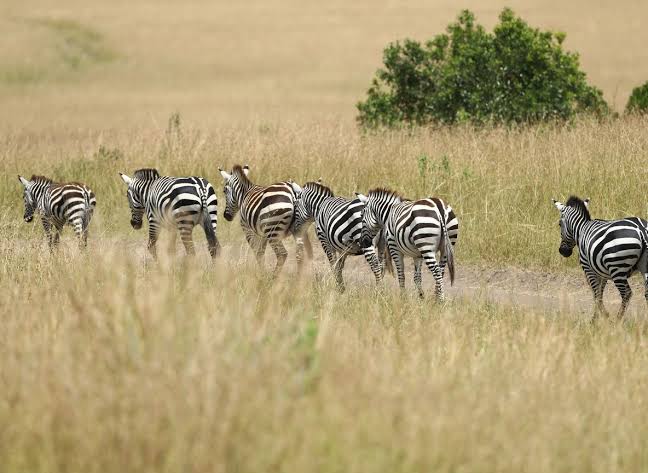
Vet Safari Operator:Essential Checks Before Booking an East African Safari
Before you transfer money for an East African safari, take time to vet safari operator credentials, legal identity, licensing, payment arrangements and the actual suppliers behind your itinerary. A professional website and attractive reviews can be useful signals, but neither should be your only verification. A safari is often a substantial financial commitment. You may be paying months in advance for: Accommodation. Park fees. Domestic flights. Private guides. Vehicles. Transfers. Specialist activities. That means the question is not simply whether an operator can design an attractive itinerary. The more important question is: Can you independently verify that the business is legitimate, established and capable of delivering the safari you are paying for? This guide explains how to vet safari operator credentials before transferring money, including how to check licensing, association membership, financial protection and the difference between booking directly and booking through an online travel intermediary. Vet Safari Operator: Start With the Exact Legal Company Name The first step when you vet safari operator credentials is to establish the company’s exact legal identity rather than relying only on its marketing brand. A safari company may trade under a brand name that differs from its registered company name. Before paying, ask for: The full legal company name. Registered business address. Country of registration. Tourism licence details where applicable. Tax and invoicing details where appropriate. The legal name that will appear on your invoice. The bank account name receiving your payment. These details should make sense together. A significant warning sign is when: The website uses one company name. The invoice uses another. The bank account belongs to an unrelated individual. The operator cannot clearly explain the difference. When you vet safari operator details, always compare the name on the invoice with the name shown on official records. Vet Safari Operator: Check Whether the Business Is Properly Licensed A legitimate tourism operator should be able to demonstrate that it holds the licences required for the tourism activities it is selling. In Tanzania, tourism activities and operators are regulated through licensing requirements, and the Tourism Act provides that a person may not operate or hold themselves out as a tourism operator without the relevant licence. Tanzania’s Ministry of Natural Resources and Tourism also maintains a searchable licensed-entities database that includes information such as company names, licence numbers, activities, locations and licence dates. When you vet safari operator credentials, ask for the licence number and then independently check the operator where an official database is available. Do not rely only on: A logo on a website. A photograph of a certificate. A PDF sent by the company. A claim that licensing is “being renewed.” A document can be outdated. An independent check is stronger. Useful check: Compare the exact legal company name, licence number, activity type and validity dates. Vet Safari Operator: Use TATO Membership as an Additional Check For a Tanzania safari, TATO membership can be a useful additional verification signal, but it should complement rather than replace checks of legal licensing and company identity. TATO is a membership-based organisation representing tour operators and other participants in Tanzania’s tourism industry. The association says it was established in 1983 and represents operators within the sector. TATO states that its members commit to standards of quality and service and to its ethical expectations. If an operator says it is a TATO member, do not simply accept a badge displayed on its website. Ask: What exact legal company name is the membership under? Is the membership current? Can the company be found independently through the association? Does the membership name match the company receiving your payment? The important principle is simple: Membership is a useful positive signal, but it is not a substitute for verifying the operator’s licence, payment arrangements and contractual obligations. Vet Safari Operator: Understand What TATO Membership Does and Does Not Prove When you vet safari operator credentials, do not assume that membership of a professional association automatically guarantees your money or every aspect of your trip. Association membership may indicate that the company: Participates in an industry organisation. Has an established identity within the tourism sector. Is connected to professional standards or codes. Can potentially be subject to association processes. TATO has published a Safari Guide Code of Conduct and Ethics covering areas including professionalism, training, emergency procedures, vehicle protocols, environmental responsibility and wildlife interaction. However, you should separately ask: What happens if the company becomes insolvent? Is your money held separately? Is there an external financial protection scheme? Is a specific payment bonded? Who is contractually responsible for your booking? These questions matter even when an operator has a strong reputation. Vet Safari Operator: Ask Directly About Bonding and Financial Protection Financial protection should be checked explicitly because the word “bonded” can mean different things in different countries and booking arrangements. Do not assume that: TATO membership automatically means your booking is financially bonded. An operator is automatically protected because it is licensed. A travel company has insolvency protection simply because it is established. Ask the company to explain, in writing: What protection applies to my payment? Who provides that protection? What exactly is covered? Does it cover insolvency? Does it cover the full amount paid or only part of it? Does protection apply to international clients? Can I independently verify the scheme? A useful answer identifies a specific protection mechanism. A weak answer says only: “Don’t worry, we are trustworthy.” Trust and financial protection are not the same thing. Vet Safari Operator: Check the Contract Before Paying A professional safari booking should have clear written terms explaining what you are buying, how much you are paying and what happens if plans change. Before transferring money, make sure you receive: A detailed itinerary. Total price. Currency. Deposit amount. Balance payment date. Included services. Excluded services. Cancellation terms. Amendment terms. Force majeure provisions where applicable. Operator contact details. When you vet safari operator documents, compare the itinerary with the invoice. The details should match. For example: Same dates. Same camps. Same…
Read More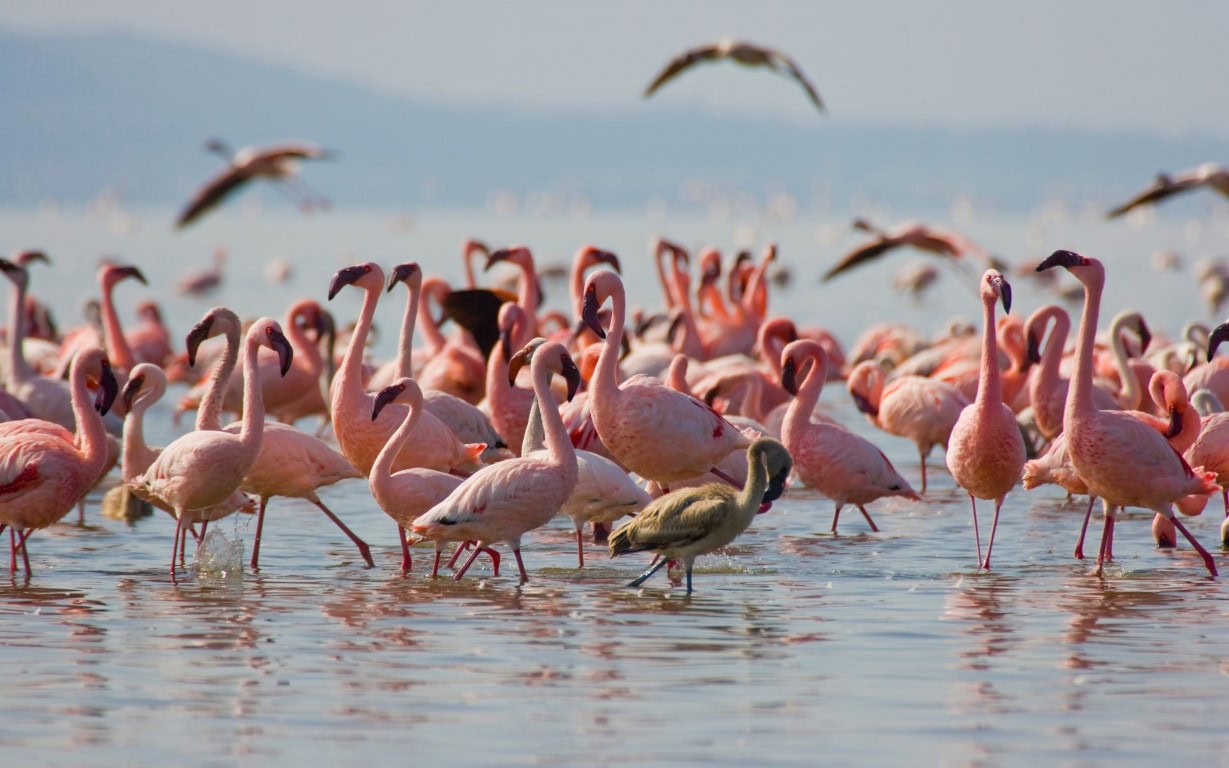
Birding Safari: Remarkable East Africa Birdwatching Seasons Month by Month
A birding safari in East Africa can be rewarding throughout the year, but the species, migration activity, breeding behaviour and weather conditions change considerably from month to month. Kenya, Tanzania, Uganda and Rwanda offer an exceptional variety of habitats within relatively accessible safari circuits. A single birding safari can potentially combine: Savannah. Wetlands. Lakes. Forest. Mountains. Coastlines. River systems. Acacia woodland. The best time depends on what you want to see. Some travellers want migratory birds. Others are looking for endemic species. Others want to combine birdwatching with the Great Migration or a traditional big-game safari. This month-by-month guide explains how to think about an East African birding safari throughout the year. Birding Safari: What Makes East Africa So Good for Birdwatching? An East Africa birding safari is exceptional because the region combines dramatically different habitats, altitudes and ecosystems within relatively short travel distances. Depending on your route, a birding safari may include: Flamingo-filled lakes. Dry savannah. Afro-montane forest. Coastal forest. Freshwater wetlands. Rift Valley lakes. Highland grasslands. Riverine woodland. This habitat diversity supports a remarkable range of bird species. The experience can also be structured around other wildlife interests. You can combine a birding-focused itinerary with: Big Five viewing. The Great Migration. Gorilla trekking. Chimpanzee trekking. Beach extensions. Walking safaris. Birding Safari: January January is often an excellent period for a birding safari because many areas are green after seasonal rains and migratory birds may still be present. Across parts of East Africa, landscapes can be productive and bird activity can be high. A January birding safari can focus on: Wetland birds. Migratory species. Savannah birds. Forest species. Resident species in breeding condition. January can also work well for combining birdwatching with a conventional safari. In northern Tanzania, for example, the southern Serengeti ecosystem can become an important seasonal wildlife area. Your route can therefore combine birding with broader wildlife viewing. Birding Safari: February February can be a productive month for a birding safari, particularly for travellers interested in combining birdwatching with major wildlife activity in northern Tanzania. Conditions vary between destinations. Potential highlights can include: Migratory birds. Breeding activity. Wetland species. Woodland species. Open-country birds. A February birding safari can be designed around Tanzania’s northern circuit, Kenya’s Rift Valley or specialist forest areas. Because wildlife viewing can also be strong in several destinations, February suits travellers who want birds without giving up a classic safari experience. Birding Safari: March March can offer a productive birding safari before heavier seasonal rains affect some roads and travel conditions in parts of East Africa. Bird activity remains strong across many habitats. A March birding safari may focus on: Wetlands. Lakes. Savannah. Forest edges. Highland areas. Migratory species may still be present in some areas. However, migration timing varies by species and location. A specialist guide can help structure the itinerary around the birds you most want to find. Birding Safari: April April can be one of the more challenging months for a birding safari in some areas because heavier rains may affect road access, but the green landscapes can also create excellent birding conditions. The trade-offs may include: Wetter conditions. Muddy roads. More difficult photography. Fewer safari vehicles. Green scenery. Active birdlife. For dedicated birders, rain does not automatically make April unsuitable. A well-planned birding safari can focus on destinations with reliable access and productive habitats. Birding Safari: May May continues the green-season birding opportunities in many parts of East Africa, although rainfall and road conditions should be considered when planning a birding safari. The landscape can be lush. Birding opportunities may include: Forest birds. Wetland species. Resident birds. Species associated with seasonal vegetation. A May birding safari can offer good value because some traditional safari destinations are outside peak tourism periods. However, accessibility should always be assessed destination by destination. Birding Safari: June June marks a transition toward drier conditions in several East African safari regions and can be an excellent time for a birding safari combined with major wildlife viewing. As conditions become drier: Roads may become easier. Wildlife viewing patterns can change. Open habitats become easier to explore. Safari logistics can become more predictable. A June birding safari is particularly suitable for travellers who want a mixed itinerary combining birds with large mammals. Birding Safari: July July is a popular safari month, and a birding safari can be combined with major wildlife destinations when dry-season conditions make travel and game viewing relatively straightforward. This is often a busier travel period. A July birding safari may require earlier booking, particularly when combining birdwatching with popular wildlife destinations. Consider focusing on: Highlands. Forests. Rift Valley lakes. Savannah. Specialist birding areas. Early planning gives you more choice of guides and accommodation. Birding Safari: August August can be a strong month for a birding safari that combines dry-season travel with classic wildlife destinations. The exact birding experience depends heavily on the habitat. A birding-focused route can deliberately move between ecosystems. For example: Savannah → Wetland → Forest → Highland This habitat variation can increase the diversity of species encountered during the trip. An August birding safari can also be paired with traditional game viewing in Kenya and Tanzania. Birding Safari: September September is often a useful month for a birding safari because dry conditions in several safari areas can make multi-destination travel efficient. By September, birdwatchers may focus on: Resident species. Endemic species. Habitat specialists. Wetland birds. Birds of prey. This can be an excellent period for travellers whose primary goal is finding particular resident or endemic species rather than seasonal migrants. Birding Safari: October October can be an important transition month for an East Africa birding safari as seasonal weather patterns begin changing and migratory movements become increasingly relevant. The exact timing varies. A specialist birding safari can be designed around: Migration. Wetland habitats. Forest species. Highland birds. Coastal birds. October is also a useful month for travellers who prefer shoulder-season travel. Birding Safari: November November can be one of the most interesting months for a birding safari because seasonal…
Read MoreHappy Clients
Testimonials
Reviews from travellers who have journeyed with Odysseys From Africa across Tanzania, Kenya, Uganda, Rwanda and Zanzibar.
★★★★★
Amazing Trip Organized
A BIG THANK YOU to you all for organising such a wonderful trip. Everything was perfectly planned and executed. The team was extraordinary.
via TripAdvisorMUSTIADAMALIApril 5, 2025
★★★★★
Great Experience!
Amazing service! Very well planned safari experience. Really enjoyed every bit of our holiday. Would highly recommend Odysseys From Africa.
via TripAdvisorHUSEINA AMarch 13, 2025
★★★★★
Wonderful Experience
The organisation done by the team was just extraordinary. I couldn’t imagine that someone could plan a trip this well — every detail was taken care of.
via TripAdvisorHAMZA SMarch 13, 2025
★★★★★
Tantalising Tanzania
Abbas, Mehlam and Idris — the three brothers and brains behind Odysseys From Africa — just concluded a wonderful adventure for our family. Beyond expectations.
via TripAdvisorBENMOSHAYFebruary 3, 2025
★★★★★
Unparalleled Experience
This was an exceptional experience. All the hotels, locations of camps, transportation, food was excellently planned. Special mention for our guide.
via TripAdvisorINSPIRE543015February 3, 2025
★★★★★
Trip To Serengeti
Loved the entire experience. Very well planned and coordinated. It was very smooth sailing through the entire trip. Highly recommend for a Serengeti safari.
via TripAdvisorRUQAIYAHHUSEIN53July 3, 2024




Ready to travel
Plan your safari in Tanzania with the specialists.
Tailor-made luxury safaris across Tanzania, Kenya, Uganda, Rwanda and Zanzibar. Reply within one business day.
Enquire now