Wild Adventures, Timeless Memories…

Odysseys From Africa

Safari Blog

Guides, itineraries and field notes from our safari specialists in Arusha — everything you need to plan your Tanzania and Kenya adventure.

Tipping
Tanzania Safari Guide·

Tipping Etiquette on Safaris in Tanzania: A Complete Guide for US and European Travelers

Planning your dream Safaris in Tanzania involves more than choosing the perfect itinerary, spotting the Big Five, and selecting unforgettable lodges. Many travelers from the United States and Europe also want to understand one important cultural question before arriving: how much should you tip on a safari in Tanzania? Tipping is not mandatory, but it is an important way to show appreciation for exceptional service from the people who make your adventure possible. Your safari guide, camp staff, drivers, and local experts often go above and beyond to create a safe, educational, and memorable experience. At Odysseys From Africa, our locally based team helps travelers experience Tanzania through expertly designed journeys, from Serengeti wildlife adventures to cultural experiences and Zanzibar escapes. Explore our Safaris in Tanzania options to start planning your personalized adventure. Is Tipping Expected on Safaris in Tanzania? Unlike some countries where tipping is automatically added to bills, tipping in Tanzania is generally discretionary. However, it has become a widely appreciated practice within the safari industry. Many safari professionals rely on tips as an important part of their income because they provide highly personalized service throughout your journey. A good tip reflects: The quality of your guide’s knowledge Their effort in finding wildlife sightings Their attention to your comfort and safety The overall service provided by lodge and camp teams Remember that tipping should always be based on your satisfaction and the level of service you receive. Who Should You Tip During Safaris in Tanzania? During your safari, you may interact with several people who contribute to your experience. 1. Safari Guide Your guide is usually the most important person to consider when tipping. They are responsible for: Driving safely through national parks Sharing wildlife knowledge Explaining animal behavior Planning daily game drives Helping you understand Tanzania’s landscapes and cultures For many travelers from the USA and Europe, a recommended guideline is: Private safari guide: Approximately USD $10–$25 per traveler per day Exceptional private guiding service: USD $25+ per traveler per day may be appropriate. For longer journeys, many guests prefer giving one final tip at the end of the safari rather than daily payments. 2. Safari Vehicle Driver In many Tanzania safari companies, the guide and driver are the same person. If your safari has a separate driver, they should also be recognized for their contribution. A common guideline: Driver tip: USD $5–$15 per traveler per day Their role is especially valuable during long journeys across destinations such as: Serengeti National Park Ngorongoro Crater Tarangire National Park Lake Manyara National Park Learn more about these destinations through our Tanzania safari experiences. 3. Lodge and Camp Staff Safari camps operate through teamwork. Many people work behind the scenes to make your stay comfortable, including: Waiters Housekeeping teams Camp attendants Kitchen staff Porters Most luxury camps provide a shared tipping box where guests can contribute one amount that is distributed among staff members. A typical recommendation: Camp staff: USD $5–$10 per guest per day For example, during a five-night safari, many travelers contribute around USD $25–$50 per person to the general staff fund. 4. Cultural Guides and Local Experiences Some Safaris in Tanzania include cultural visits with local communities, such as Maasai villages or other community-based tourism experiences. If a local guide provides a meaningful experience, a small appreciation tip is welcomed. Suggested amount: USD $5–$20 depending on the activity and group size. Responsible tourism should always focus on respectful cultural exchange rather than treating communities as attractions. Tipping Advice for US Travelers Visiting Tanzania Travelers from the United States are often familiar with tipping culture, but safari tipping works differently. Instead of tipping after every individual service, most safari guests provide one thoughtful gratuity at the end of the experience. US travelers should consider: Carrying small USD notes Using newer US dollar bills (older notes may not be accepted) Preparing tips before the final day Asking the safari company for guidance before departure Tipping Advice for European Travelers European travelers may come from countries where tipping is less common, so safari tipping can feel unfamiliar. The key points: Tips are appreciated but not compulsory Quality service deserves recognition Cash tips are usually preferred Euros, British pounds, and US dollars are commonly accepted, though USD is often easiest A well-planned safari company will explain expectations before your trip begins. Should You Tip Before or After Your Safari? The best time to tip is usually at the end of your safari. This allows you to: Evaluate the complete experience Reward outstanding service Give tips fairly across the team Many travelers keep an envelope prepared and hand it directly to their guide or place contributions into the camp’s shared tipping box. How Much Should a Couple Tip on a 7-Day Safari in Tanzania? For a couple enjoying a private safari, a typical total tipping budget might include: Safari guide: $140–$350+ Camp staff: $70–$140 Additional services: $20–$50 Total suggested range: Approximately $230–$540 per couple for a week-long safari Luxury travelers or guests receiving exceptional service may choose to tip more. Do You Tip on Luxury Safaris in Tanzania? Yes. Luxury safaris often involve even more personalized service. High-end lodges and private safari experiences may include: Private dining Dedicated guides Special celebrations Customized activities Personalized wildlife experiences While luxury travelers may spend more on accommodation, tipping remains a separate way to recognize excellent hospitality. Explore options for premium experiences through our luxury Tanzania safari packages. Is Tipping Included in Safari Prices? Sometimes. Some safari operators include recommended staff gratuities within the package price, while others leave tipping entirely to guests. Before traveling, ask: Are tips included? Who receives the gratuity? Is there a recommended amount? At Odysseys From Africa, our team provides clear guidance so travelers understand what is included before beginning their journey. Responsible Tipping: Supporting Tanzania’s Safari Industry Thoughtful tipping contributes directly to the people who make tourism possible. Your safari team includes local professionals who: Protect wildlife through responsible tourism Share knowledge about Tanzania’s ecosystems Support conservation-focused travel Create…

Read More
tour

How to Choose a Tour Operator for Safaris in Tanzania

Planning an African safari is an exciting experience, but choosing the right tour operator can make the difference between a good holiday and the adventure of a lifetime. Tanzania is home to world-famous destinations such as Serengeti National Park, Ngorongoro Crater, Tarangire National Park, and Zanzibar, and a knowledgeable safari company ensures you experience them safely, comfortably, and responsibly. With hundreds of safari operators advertising similar itineraries, selecting the right company may feel overwhelming. Fortunately, asking the right questions and understanding what sets professional operators apart can help you make a confident decision. This guide explains exactly what to look for when choosing an operator for your Safaris in Tanzania. Why Your Tour Operator Matters A safari involves much more than transportation and accommodation. Your operator is responsible for: Planning your itinerary Organizing park permits Selecting quality lodges Providing experienced guides Managing airport transfers Handling unexpected travel changes Ensuring your safety throughout the trip A reputable company transforms your safari into a seamless and unforgettable experience. Explore our customized Safaris in Tanzania designed by experienced local safari specialists. 1. Choose a Licensed and Registered Safari Company The first step is verifying that the operator is legally registered and licensed to conduct safari tours in Tanzania. A legitimate operator should have: Registered business credentials Tourism operating licenses Qualified safari guides Proper vehicle permits Comprehensive insurance Working with a licensed company provides peace of mind and professional accountability. 2. Look for Local Expertise Companies based in Tanzania often provide deeper destination knowledge than agencies that simply resell tours. Local experts understand: Wildlife movements Seasonal changes Road conditions Hidden safari locations Cultural experiences Their firsthand knowledge allows them to adjust itineraries based on current wildlife activity. 3. Read Genuine Customer Reviews Reviews provide valuable insight into the quality of service. Look for feedback about: Guide professionalism Wildlife knowledge Vehicle comfort Accommodation quality Customer service Overall safari experience Consistently positive reviews from international travelers are a strong indicator of reliability. 4. Evaluate Safari Vehicles Your safari vehicle will be your primary mode of transportation for several days. A quality operator provides: Well-maintained 4×4 Land Cruisers Pop-up roofs for wildlife viewing Comfortable seating Charging ports Refrigerated drinking water Safety equipment Comfortable vehicles significantly improve long game drives. 5. Ask About Safari Guides A professional guide is one of the most important parts of successful Safaris in Tanzania. Experienced guides provide: Wildlife identification Animal behavior insights Photography advice Local cultural knowledge Safe driving practices The best guides often know exactly where to find wildlife while respecting conservation guidelines. 6. Compare Itineraries—Not Just Prices A lower price doesn’t always mean better value. Compare what each itinerary includes: Park entrance fees Accommodation quality Meals Airport transfers Internal flights Game drives Professional guide services Understanding exactly what is included helps avoid unexpected costs later. Discover expertly designed routes through our Tanzania Safari Parks Guide. 7. Look for Customization Options Every traveler has different interests. A quality safari operator should offer personalized itineraries based on: Budget Travel dates Wildlife interests Photography goals Honeymoon plans Family travel Luxury preferences Customized Safaris in Tanzania often create more memorable experiences than fixed group itineraries. 8. Prioritize Responsible Tourism Responsible tourism benefits both wildlife and local communities. Choose operators that: Support conservation efforts Employ local staff Partner with community projects Follow wildlife viewing regulations Reduce environmental impact Ethical safari companies help preserve Tanzania’s natural heritage for future generations. 9. Understand Accommodation Options The right operator offers accommodations that match your travel style. Options may include: Luxury Lodges Ideal for: Honeymooners Luxury travelers Special occasions Mid-Range Safari Camps Perfect for: Couples Families First-time visitors Budget Camps Suitable for: Backpackers Students Adventure travelers Your operator should explain the differences and recommend suitable options. 10. Ask About Emergency Support Unexpected situations can occur during international travel. Choose a company that provides: 24-hour emergency assistance Medical evacuation support Flexible itinerary adjustments Reliable communication Professional support provides reassurance throughout your safari. Questions to Ask Before Booking Before confirming your safari, ask: Is the itinerary private or shared? What accommodations are included? Are park fees included? Which vehicle will be used? Who will be my guide? What happens if flights change? Are there hidden charges? What cancellation policies apply? Clear communication helps avoid surprises later. Red Flags to Watch For Be cautious if an operator: Offers prices that seem unrealistically low Cannot provide clear itinerary details Avoids answering questions Has very few customer reviews Uses outdated safari vehicles Lacks transparent payment methods Choosing a trusted company protects your investment. Why Book Directly With a Local Operator? Booking directly with a Tanzania-based company often provides: Better communication Local expertise More competitive pricing Customized itineraries Faster assistance Stronger community impact Direct bookings also allow you to work closely with the people planning your safari. Explore our personalized Tanzania Safari Packages for every travel style. Why Choose Odysseys From Africa? At Odysseys From Africa, we specialize in creating exceptional Safaris in Tanzania for travelers from the United States, Europe, and around the world. Our experienced team combines local knowledge with personalized service to deliver unforgettable safari experiences. We offer: Private and group safaris Luxury and mid-range accommodations Great Migration tours Family safaris Honeymoon packages Photography safaris Kenya–Tanzania combinations Zanzibar beach extensions Frequently Asked Questions What should I look for in a Tanzania safari operator? Choose a licensed company with experienced guides, positive reviews, well-maintained vehicles, transparent pricing, and strong local expertise. Is it better to book directly with a local safari company? Yes. Local operators often provide more personalized service, better destination knowledge, and competitive pricing. How far in advance should I book my safari? Booking 6–12 months in advance is recommended, especially during the peak safari season from June to October. Can a safari operator customize my itinerary? Absolutely. Most reputable operators can tailor your itinerary based on your budget, travel dates, interests, and preferred accommodations. Book Your Tanzania Safari With Confidence Choosing the right safari operator is the foundation of an unforgettable African adventure. With expert planning, knowledgeable guides, and…

Read More
safaris

Safaris in Tanzania During the Green Season: Pros and Cons

When most travelers think about African safaris, they often picture the dry season when animals gather around rivers and waterholes. However, Tanzania’s green season offers an entirely different kind of adventure—one filled with emerald landscapes, dramatic skies, newborn wildlife, and fewer crowds. For travelers seeking excellent value and unique wildlife encounters, the green season can be one of the best times to experience Safaris in Tanzania. While occasional rain showers may influence travel plans, the rewards often outweigh the challenges. This guide explores the advantages and disadvantages of visiting Tanzania during the green season, helping you decide whether it’s the right time for your safari. What Is the Green Season in Tanzania? The green season refers to Tanzania’s rainy periods, when the landscape transforms into lush grasslands and forests. There are two rainy seasons: Short rains: November to December Long rains: March to May Although rain is more frequent during these months, it rarely falls all day. Many showers occur in the afternoon or overnight, leaving mornings ideal for game drives. Explore our customized Safaris in Tanzania designed for every season of the year. Why Consider Safaris in Tanzania During the Green Season? The green season offers a completely different safari experience from the dry months. Visitors can enjoy: Vibrant green landscapes Fewer tourists Lower accommodation prices Excellent bird watching Beautiful photography conditions Newborn wildlife Peaceful national parks For photographers and nature lovers, this season offers exceptional opportunities. Pros of Visiting During the Green Season 1. Beautiful Landscapes Rainfall transforms Tanzania’s famous savannahs into lush ecosystems filled with fresh vegetation and colorful wildflowers. The scenery becomes especially spectacular in: Serengeti National Park Ngorongoro Conservation Area Tarangire National Park Lake Manyara National Park The vibrant colors create breathtaking safari photographs. 2. Lower Safari Prices One of the biggest advantages of the green season is affordability. Many safari lodges and camps offer: Reduced accommodation rates Seasonal promotions Better package deals Greater availability Travelers can often enjoy luxury Safaris in Tanzania at significantly lower prices than during peak season. 3. Fewer Crowds Popular wildlife areas become much quieter during the rainy months. Benefits include: Less crowded game drives More peaceful wildlife viewing Better photography opportunities Greater flexibility with safari schedules You’ll often enjoy exclusive wildlife sightings without multiple vehicles surrounding the animals. 4. Incredible Bird Watching The green season is paradise for bird enthusiasts. Migratory birds arrive from Europe and Asia, increasing Tanzania’s already impressive bird diversity. Common sightings include: Flamingos Lilac-breasted rollers African fish eagles Bee-eaters Kingfishers Storks Hornbills Bird photographers often consider this the best time for Safaris in Tanzania. 5. Wildebeest Calving Season One of Tanzania’s greatest wildlife spectacles occurs between January and March. In the southern Serengeti and Ndutu region: Thousands of wildebeest calves are born daily. Predator activity increases dramatically. Lions, cheetahs, hyenas, and leopards become highly active. Witnessing new life alongside thrilling predator interactions makes this one of the most exciting safari experiences. Learn more about Tanzania’s incredible ecosystems through our Tanzania Safari Parks Guide. Cons of Visiting During the Green Season 1. Rain Can Affect Travel Although rainfall usually doesn’t last all day, heavy showers occasionally make some roads muddy. This may result in: Longer travel times Route adjustments Limited access to remote areas Experienced safari operators carefully plan routes to minimize disruptions. 2. Wildlife Can Be More Dispersed During the rainy season, water is available across the landscape. Animals no longer need to gather around permanent rivers, making them slightly more spread out. However, experienced guides still locate excellent wildlife sightings daily. 3. Some Camps Close Seasonally A few seasonal mobile camps close during parts of the long rains due to road conditions. Fortunately, many permanent lodges remain open throughout the year. Odysseys From Africa carefully selects accommodations that provide excellent service regardless of season. Best Parks to Visit During the Green Season Serengeti National Park The Serengeti remains outstanding throughout the year. Green season highlights include: Calving season Predator action Dramatic skies Beautiful photography Ngorongoro Crater Wildlife viewing remains exceptional regardless of season. The crater offers: Dense wildlife populations Comfortable temperatures Reliable game viewing Spectacular scenery Tarangire National Park Tarangire becomes lush and peaceful during the rains. Visitors enjoy: Elephant herds Baobab landscapes Rich birdlife Fewer safari vehicles Lake Manyara National Park The park’s forests become especially beautiful during the rainy months. Highlights include: Flamingos Tree-climbing lions Hippos Forest birds Photography During the Green Season Photographers often prefer this season because of: Soft natural lighting Dramatic storm clouds Rich vegetation Colorful sunsets Reflection photography Wildlife appears especially vibrant against the lush green landscape. Is the Green Season Good for Families? Yes. Families benefit from: Lower travel costs Quieter parks Flexible lodge availability Comfortable temperatures However, families with very young children may prefer the dry season if they want maximum wildlife visibility. Should Honeymooners Visit During the Green Season? Absolutely. Many luxury lodges offer: Romantic discounts Exclusive experiences Private game drives Peaceful surroundings The green landscapes create a beautiful backdrop for honeymoon photography. Explore our Safari and Zanzibar Holiday Packages for unforgettable wildlife and beach combinations. Tips for Green Season Safaris To make the most of your adventure: Pack a lightweight waterproof jacket. Wear waterproof hiking shoes. Protect camera equipment from moisture. Bring binoculars. Pack neutral-colored clothing. Allow flexible travel times. Book with experienced safari specialists. Preparation ensures an enjoyable safari regardless of weather. Why Choose Odysseys From Africa? At Odysseys From Africa, we create unforgettable Safaris in Tanzania throughout every season. Our experienced safari consultants know exactly where wildlife is located year-round and carefully design itineraries that maximize your opportunities regardless of weather conditions. Our services include: Private safaris Family adventures Luxury lodges Photography safaris Great Migration tours Bird watching experiences Zanzibar beach extensions Frequently Asked Questions Is the green season a good time for Safaris in Tanzania? Yes. The green season offers beautiful landscapes, lower prices, fewer tourists, excellent bird watching, and the famous wildebeest calving season. Does it rain all day during the green season? No. Rain usually occurs in short…

Read More
crossing

East Africa Border Crossings: From Kenyan Parks to Safaris in Tanzania

East Africa offers one of the world’s most spectacular wildlife experiences, and many travelers choose to combine Kenya and Tanzania into one unforgettable safari adventure. From the rolling plains of Kenya’s Maasai Mara to the endless savannahs of the Serengeti, a cross-border itinerary allows you to experience two of Africa’s most iconic safari destinations in a single journey. Planning the logistics of crossing from Kenya into Tanzania may seem complicated at first, but with proper preparation and an experienced tour operator, the process is straightforward and rewarding. Whether you’re following the Great Migration, exploring multiple national parks, or creating the ultimate honeymoon or family vacation, combining Kenya with Safaris in Tanzania provides exceptional value and unforgettable memories. Why Combine Kenya and Safaris in Tanzania? Although Kenya and Tanzania share the same remarkable ecosystem, each country offers unique landscapes, wildlife experiences, and cultural attractions. A combined itinerary allows travelers to enjoy: The Maasai Mara National Reserve Serengeti National Park Ngorongoro Crater Tarangire National Park Lake Manyara National Park Maasai cultural experiences The Great Migration from multiple viewpoints Many visitors consider this combination the ultimate East African safari. Discover our customized Safaris in Tanzania designed to seamlessly connect Kenya and Tanzania. Can You Travel Directly Between Kenya and Tanzania? Yes. Travelers can cross between Kenya and Tanzania using several official border posts, depending on their itinerary. The most common methods include: Road transfers Domestic or regional flights Private safari transfers Combination road-and-flight itineraries Most safari companies arrange all transportation, allowing guests to focus on enjoying the experience. Popular Border Crossings for Safari Travelers Isebania Border Crossing The Isebania border is the most popular crossing for travelers moving between: Maasai Mara (Kenya) Serengeti National Park (Tanzania) It is ideal for travelers following the Great Migration or taking an overland safari. Advantages include: Direct connection between major safari destinations Convenient for road safaris Frequently used by safari operators Namanga Border Crossing Namanga connects Nairobi with Arusha and is commonly used by travelers beginning or ending their safari in northern Tanzania. This crossing is suitable for visitors exploring: Arusha Tarangire National Park Ngorongoro Crater Lake Manyara Many road transfers between Nairobi and Arusha use this route. Taveta-Holili Border Crossing This crossing is useful for travelers combining: Amboseli National Park Kilimanjaro region Arusha It offers another excellent option for customized East African itineraries. Required Travel Documents Before crossing into Tanzania, ensure you have: A valid passport Appropriate Tanzania visa (if required) Kenya entry documentation (where applicable) Yellow Fever vaccination certificate if required under current health regulations Travel insurance documents Requirements vary depending on nationality, so always confirm the latest immigration guidelines before departure. Our Travel Information page can help you prepare for your safari. How Long Does the Border Crossing Take? Crossing times depend on: Season Number of travelers Immigration queues Documentation readiness In general, travelers should allow between one and three hours for immigration procedures. Professional safari operators assist guests throughout the process to minimize delays. What Happens During the Border Crossing? Your guide will explain the process before arrival. Typically, travelers will: Exit immigration in the first country. Walk or transfer to the neighboring immigration office. Complete passport and visa procedures. Meet the new safari guide and vehicle. Continue the safari. The transition is usually smooth when organized in advance. Best Safari Route from Kenya to Tanzania One of the most popular itineraries includes: Days 1–3: Maasai Mara National Reserve Enjoy game drives searching for: Lions Leopards Elephants Cheetahs Wildebeest Day 4: Cross into Tanzania Travel through Isebania before entering the Serengeti ecosystem. The scenery gradually changes as you begin your Safaris in Tanzania. Days 5–7: Serengeti National Park Highlights include: Great Migration Big Five wildlife Endless plains Luxury safari camps Learn more through our Tanzania Safari Parks Guide. Day 8: Ngorongoro Crater Descend into Africa’s largest intact volcanic caldera. Possible wildlife sightings include: Black rhino Lions Hippos Flamingos Hyenas Day 9: Tarangire National Park Discover: Massive elephant herds Ancient baobab trees Diverse birdlife Scenic river valleys Day 10: Departure or Zanzibar Extension Many travelers conclude their safari with a beach holiday in Zanzibar. Explore our Safari and Zanzibar Holiday Packages for the perfect combination of wildlife and relaxation. Should You Fly or Drive? Road Transfers Best for: Wildlife lovers Scenic travel Budget-conscious travelers Advantages: More wildlife viewing Cultural experiences Flexible stops Domestic Flights Ideal for: Luxury travelers Short vacations Time-saving itineraries Benefits include: Faster travel Spectacular aerial views More time for game drives Odysseys From Africa can arrange either option based on your preferences. Tips for a Smooth Border Crossing To make your journey easier: Carry printed travel documents. Keep passports easily accessible. Follow your guide’s instructions. Pack snacks and water for longer waits. Travel with an experienced safari operator. Confirm visa requirements before departure. Preparation helps ensure a stress-free experience. Why Book a Combined Kenya and Tanzania Safari? A dual-country safari offers exceptional variety. Benefits include: More wildlife ecosystems Diverse landscapes Rich cultural experiences Better migration viewing opportunities Outstanding photography For many visitors, combining Kenya and Safaris in Tanzania creates the ultimate African adventure. Why Choose Odysseys From Africa? Planning a cross-border safari requires local expertise, careful logistics, and reliable partners. Odysseys From Africa specializes in seamless Kenya and Tanzania safari experiences. We provide: Customized itineraries Private and group safaris Luxury accommodations Experienced local guides Airport transfers Cross-border travel coordination Zanzibar beach extensions Can tourists easily cross from Kenya to Tanzania? Yes. Most travelers cross using official border posts such as Isebania or Namanga, with assistance from their safari operator. Which border is closest to the Serengeti? The Isebania border is commonly used for transfers between Kenya’s Maasai Mara and Tanzania’s Serengeti National Park. Do I need separate visas for Kenya and Tanzania? Visa requirements depend on your nationality and travel itinerary. Always check the latest entry requirements before departure. Is it better to combine Kenya and Tanzania? Yes. Combining both countries allows travelers to experience a greater variety of wildlife, landscapes, and safari destinations in one trip. Book Your East…

Read More
safaris
Uncategorized·

Hot Air Balloon Safaris in Tanzania: A Bird’s-Eye View of the Serengeti

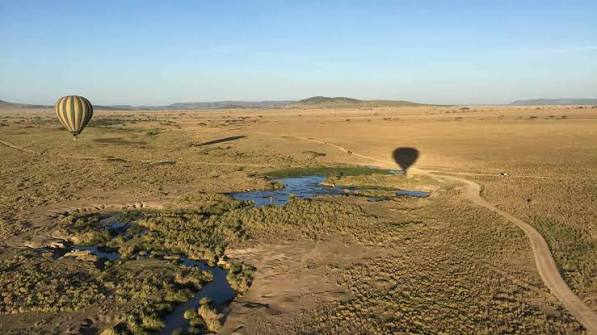
Imagine drifting silently above the endless plains of the Serengeti as the first rays of sunlight illuminate the African wilderness. Below you, elephants roam through acacia woodlands, giraffes stride gracefully across the savannah, and herds of wildebeest and zebras stretch to the horizon. A hot air balloon safari is one of the most unforgettable experiences you can add to your Safaris in Tanzania. Unlike traditional game drives, a balloon safari offers a unique perspective of the landscape, allowing you to appreciate the vastness of Tanzania’s national parks from the sky. Whether you’re celebrating a honeymoon, anniversary, family vacation, or simply fulfilling a lifelong dream, a sunrise balloon safari is an experience you’ll remember forever. Hot Air Balloon Safaris in Tanzania: A Bird’s-Eye View of the SerengetiWhy Add a Hot Air Balloon Safari to Your Tanzania Adventure? While game drives bring you close to wildlife, a balloon safari reveals the breathtaking scale of the Serengeti ecosystem. From the air, you’ll witness: Vast golden grasslands Meandering rivers Large elephant herds Wildebeest migration routes Hippo pools Acacia forests Spectacular African sunrises This peaceful journey complements traditional Safaris in Tanzania by offering views impossible to experience from the ground. Explore our customized https://odysseys-from-africa.com/ safari packages that include optional hot air balloon experiences. Where Do Hot Air Balloon Safaris Take Place? The most famous location is Serengeti National Park, where balloon flights operate across several wildlife-rich regions depending on the season. Popular launch areas include: Central Serengeti (Seronera) Ideal throughout the year because of its resident wildlife. Visitors commonly see: Lions Leopards Giraffes Elephants Hippos Buffalo Northern Serengeti Best during the Great Migration season when wildebeest move toward the Mara River. Highlights include: Massive migration herds River crossings Crocodiles Predator activity Southern Serengeti (Ndutu Region) During the calving season, balloon safaris may reveal thousands of newborn wildebeest scattered across lush green plains. This area is especially popular from January through March. Learn more about Tanzania’s incredible destinations through our https://odysseys-from-africa.com/tanzania-safari-parks/ guide. What to Expect During a Balloon Safari Your adventure begins long before sunrise. Early Morning Pickup Most guests leave camp around 4:30–5:00 AM. A short drive takes you to the launch site where pilots prepare the balloon. Watching the balloon inflate beneath a sky full of stars is an experience in itself. Sunrise Takeoff As the balloon gently rises, the Serengeti awakens beneath you. Unlike noisy vehicles, balloons move quietly with the wind, creating a peaceful atmosphere that allows you to observe wildlife naturally. Your experienced pilot adjusts altitude throughout the flight, offering different perspectives of the landscape. Wildlife Sightings from Above Every flight is unique, but common sightings include: Elephants Wildebeest Zebras Buffalo Giraffes Hyenas Lions Hippos Antelope Ostriches During migration season, thousands of animals can often be seen moving across the plains. Champagne Bush Breakfast After landing, guests traditionally celebrate with a champagne toast before enjoying a gourmet bush breakfast. Breakfast usually includes: Fresh fruit Eggs cooked to order Pastries Coffee and tea Local specialties Dining in the African wilderness is the perfect conclusion to an extraordinary morning. Best Time for Hot Air Balloon Safaris in Tanzania Balloon safaris operate year-round, but the experience changes with the seasons. June to October Ideal for: Dry weather Clear skies Big Five sightings Great Migration in northern Serengeti January to March Excellent for: Wildebeest calving season Green landscapes Predator action Wildlife photography November to December Perfect for: Bird watching Fewer crowds Beautiful scenery Every season offers spectacular aerial views. Is a Balloon Safari Worth It? Absolutely. Although balloon safaris are considered a premium experience, many travelers describe them as the highlight of their African vacation. Benefits include: Unique wildlife perspective Incredible photography Peaceful atmosphere Luxury experience Lifetime memories For honeymooners and photographers, it is often considered an essential addition to Safaris in Tanzania. What Should You Wear? Morning temperatures before sunrise can be cool. Recommended clothing includes: Comfortable long trousers Light jacket or fleece Closed walking shoes Hat Sunglasses Camera Binoculars Neutral-colored clothing remains ideal throughout your safari. Photography Tips for Balloon Safaris Capturing wildlife from above requires slightly different techniques. Helpful tips: Use a zoom lens Secure your camera strap Shoot during golden sunrise light Bring spare batteries Keep lenses clean from dust The changing light creates breathtaking images of Tanzania’s landscapes. Can Children Join a Balloon Safari? Many operators welcome children, although minimum age and height requirements may apply for safety reasons. Families should confirm eligibility before booking. Private balloon flights are also available for special occasions. Combining Balloon Safaris with Classic Safaris in Tanzania A hot air balloon experience fits perfectly into longer safari itineraries. Many travelers combine: Serengeti National Park Ngorongoro Crater Tarangire National Park Lake Manyara Zanzibar Beach Holiday Discover our https://odysseys-from-africa.com/ safari itineraries designed to include unforgettable balloon adventures. Responsible Balloon Tourism Hot air balloon operators follow strict environmental guidelines designed to protect Tanzania’s wildlife. Responsible practices include: Licensed professional pilots Controlled landing sites Respectful distances from wildlife Minimal environmental impact Choosing reputable operators helps preserve Tanzania’s natural beauty for future generations. Why Choose Odysseys From Africa? At Odysseys From Africa, we create unforgettable Safaris in Tanzania tailored to your travel style and interests. Whether you dream of soaring above the Serengeti in a hot air balloon, witnessing the Great Migration, or relaxing on Zanzibar’s pristine beaches, our safari specialists will design the perfect itinerary. We offer: Private and luxury safaris Hot air balloon experiences Family safaris Honeymoon packages Photography tours Cross-border Kenya and Tanzania safaris Zanzibar extensions Frequently Asked Questions How long does a hot air balloon safari last? The flight typically lasts between 45 minutes and one hour, depending on weather conditions, followed by a bush breakfast. Are balloon safaris safe? Yes. Licensed operators maintain high international safety standards, and experienced pilots conduct flights only in suitable weather conditions. Is a balloon safari suitable for photographers? Absolutely. The elevated perspective provides outstanding opportunities to photograph wildlife, landscapes, and sunrise scenes. Can I include a balloon safari in my Tanzania itinerary? Yes. Balloon safaris are easily added…

Read More
Tanzania Safari Planning Guide

Tanzania Safari Planning Guide: From New York to the Serengeti (2026)

Planning a safari from the United States to East Africa can feel overwhelming, but the right Tanzania Safari Planning Guide makes the journey simple, comfortable, and unforgettable. From choosing flights from New York to Tanzania to selecting luxury lodges in the Serengeti, every detail matters when creating the perfect African adventure. At Odysseys From Africa, our locally based team in Arusha helps US travelers design authentic safaris in Tanzania with expert knowledge of wildlife seasons, travel routes, and luxury safari experiences. We combine Tanzanian expertise with personalized planning to ensure your journey from the USA to the Serengeti is smooth from arrival to departure. Tanzania Safari Planning Guide: Everything You Need Before Your Journey A Tanzania Safari Planning Guide helps travelers prepare for flights, visas, safari routes, accommodation choices, and essential travel requirements before exploring Tanzania’s wilderness. The best Tanzania safari planning approach combines early preparation, expert local advice, and a carefully designed itinerary that matches your travel goals. A Tanzania safari is more than a holiday; it is a once-in-a-lifetime experience involving multiple destinations, international flights, wildlife timing, and unique logistics. For travelers from the United States, especially the East Coast, understanding the journey before booking creates confidence and allows more time to enjoy the adventure. A successful safari plan considers: International flight routes Arrival and departure locations Safari duration Wildlife seasons Lodge and camp locations Internal transfers Travel insurance Packing requirements Cultural experiences Working with a local Tanzania safari specialist ensures that every part of your journey connects smoothly. Why a Tanzania Safari Planning Guide Is Essential for First-Time Visitors A first safari in Tanzania can involve decisions that are unfamiliar to many international travelers. Questions often include: How long does it take to reach Tanzania from the USA? Which airport should I fly into? How many days should I spend on safari? Should I combine Serengeti with Zanzibar? What should I pack? Is Tanzania safe for American travelers? A professional Tanzania Safari Planning Guide helps answer these questions before travel begins. For US travelers, the most popular safari route usually starts in Arusha, Tanzania’s safari gateway city, before continuing to destinations such as: Serengeti National Park Ngorongoro Crater Tarangire National Park Lake Manyara Zanzibar Island Many travelers combine classic northern safari routes with beach relaxation through Zanzibar, creating a complete East African experience. Tanzania Safari Planning Guide from the United States Planning a Tanzania safari from the United States requires understanding flight connections, arrival airports, travel time, and local transportation options. Most US travelers combine international flights with short regional transfers to reach Tanzania’s main safari areas efficiently. Flights from New York to Tanzania: Routes, Layovers, and Travel Time Travelers departing from New York typically connect through major international hubs before arriving in Tanzania. Common routes may include connections through: Istanbul Doha Dubai Amsterdam Addis Ababa Nairobi Most travelers arrive through: Kilimanjaro International Airport (JRO) for northern safari circuits Julius Nyerere International Airport (DAR) for coastal and Zanzibar connections A typical journey from New York to Tanzania can take approximately 18–25 hours depending on the route and connection time. Although the journey is long, careful planning makes the transition comfortable. Many luxury travelers prefer arriving one day before the safari begins to recover from international travel and enjoy a relaxed start in Arusha. Choosing the Best International Flight Connections for Your Safari A good Tanzania Safari Planning Guide should consider more than just flight price. The best connection often balances: Comfortable layovers Arrival times Baggage allowances Connection reliability Airport convenience For luxury safari travelers, arriving rested is often worth more than saving a few hours or choosing the cheapest option. A well-designed itinerary avoids unnecessary stress by matching flight schedules with safari departure times What US Travelers Should Know Before Flying to Tanzania Before traveling, US visitors should prepare important documents and travel arrangements. Essential considerations include: Passport Requirements Travelers should ensure their passport: Is valid beyond the travel period Has sufficient blank pages Matches booking information Tanzania Visa Requirements Most US citizens require a visa to enter Tanzania. Travelers should confirm current entry requirements before departure and complete the appropriate application process. Travel Insurance Comprehensive travel insurance is strongly recommended for international safari travel. Coverage may include: Medical emergencies Trip interruptions Delayed baggage Travel changes Currency and Payments The local currency is the Tanzanian shilling, although many safari lodges and tourism providers accept major international payment methods. Planning payment options before arrival helps create a smoother experience. Tanzania Safari Planning Guide: Understanding Safari Routes and Destinations A Tanzania Safari Planning Guide should include the right combination of destinations, travel time, and wildlife experiences to create a complete safari itinerary. Northern Tanzania offers the most popular safari circuit, connecting Arusha with Serengeti, Ngorongoro, and other world-famous wildlife areas. Arusha: The Gateway to Your Tanzania Safari Planning Guide Arusha is the starting point for many northern Tanzania safari adventures. Located near Mount Meru, the city provides easy access to: Serengeti National Park Ngorongoro Conservation Area Tarangire National Park Odysseys From Africa operates from Arusha, giving travelers the advantage of local expertise and direct safari planning support. Serengeti Safari Planning The Serengeti is Tanzania’s most iconic wildlife destination. A Serengeti safari offers opportunities to see: Lions Elephants Giraffes Leopards Cheetahs Wildebeest Zebras The Serengeti Great Migration is one of the world’s greatest wildlife spectacles, attracting travelers who want to witness millions of animals moving across ancient landscapes. For travelers looking for a classic itinerary, the Serengeti and Ngorongoro Safari combines two of Tanzania’s most famous destinations. Ngorongoro Crater among Tanzania Safari Planning Guide The Ngorongoro Crater is one of Africa’s most remarkable wildlife areas. Its unique volcanic landscape creates a natural environment where visitors can experience incredible biodiversity in a relatively compact area. Many Tanzania safari itineraries combine: Serengeti wildlife viewing Ngorongoro crater exploration Cultural experiences Zanzibar Safari Extension Planning Many US travelers add Zanzibar after their safari for a combination of wildlife and beach relaxation. Zanzibar offers: White-sand beaches Historic Stone Town Ocean activities Cultural experiences Travelers…

Read More
american
Africa Safari Guides·

Safaris in Tanzania: The Best Time of Year for American Tourists to Visit

Planning the perfect African safari begins with choosing the right time to travel. Tanzania is a year-round destination, but each season offers unique wildlife experiences, weather conditions, and travel opportunities. For American tourists, aligning vacation time with Tanzania’s safari seasons can make all the difference. Whether you dream of witnessing the Great Migration, photographing the Big Five, relaxing on Zanzibar’s white-sand beaches, or exploring the Ngorongoro Crater, understanding Tanzania’s seasons helps you get the most from your journey. This guide explains the best months to book Safaris in Tanzania, highlights seasonal wildlife events, and provides travel tips specifically for visitors from the United States. Why Timing Matters for Safaris in Tanzania Unlike many destinations, Tanzania’s wildlife experiences change throughout the year. Rainfall influences animal movements, bird migrations, and vegetation, while the dry season makes wildlife easier to spot around rivers and waterholes. Choosing the right season depends on your travel goals, budget, and preferred safari experience. Popular reasons Americans visit Tanzania include: Witnessing the Great Migration Seeing the Big Five Photography safaris Family vacations Honeymoon adventures Luxury safari experiences Combining wildlife with Zanzibar beaches Explore our tailor-made Safaris in Tanzania to find the perfect itinerary for your travel dates. Tanzania Safari Seasons at a Glance Season Months Best For Dry Season June – October Big Five viewing, Great Migration, cooler temperatures Short Rains November – December Bird watching, fewer tourists, green landscapes Calving Season January – March Wildebeest births, predator action, photography Long Rains April – May Budget travel, lush scenery, fewer visitors Each season offers unique experiences, making Safaris in Tanzania rewarding throughout the year. June to October: Peak Safari Season The dry season is considered the best time for many American travelers. Why Visit During the Dry Season? As water becomes scarce, wildlife gathers around rivers and waterholes, making animals easier to find. Highlights include: Exceptional Big Five sightings Comfortable daytime temperatures Low humidity Clear skies for photography Excellent road conditions This period is also when many travelers witness the famous Great Migration river crossings in the northern Serengeti. July to September: Witness the Great Migration One of Africa’s greatest wildlife spectacles occurs when hundreds of thousands of wildebeest cross the Mara River between Tanzania and Kenya. Visitors may witness: Wildebeest river crossings Crocodile encounters Lion hunts Massive zebra herds Scenic Serengeti landscapes This is one of the busiest safari periods, so booking several months in advance is highly recommended. Learn more about Tanzania’s iconic destinations through our Tanzania Safari Parks Guide. January to March: The Calving Season For wildlife enthusiasts and photographers, the calving season offers a completely different safari experience. During these months: Thousands of wildebeest calves are born Predator activity increases Landscapes become lush and green Birdlife flourishes The Ndutu region and southern Serengeti are especially popular during February. Many experienced safari travelers consider this one of the most rewarding times for Safaris in Tanzania. November to December: The Green Season The short rains transform Tanzania into a vibrant landscape filled with fresh vegetation. Advantages include: Beautiful scenery Excellent bird watching Lower visitor numbers Attractive accommodation rates Comfortable temperatures This season is ideal for travelers seeking a quieter safari experience. April and May: Budget-Friendly Travel The long rainy season brings fewer tourists, making it one of the best periods for travelers looking for value. Benefits include: Lower accommodation prices Exclusive wildlife experiences Quiet parks Green landscapes Although occasional rain may affect travel plans, experienced safari operators can still design memorable itineraries. Best Time for Different American Travelers Families The summer holidays (June–August) are ideal for family safaris, offering excellent weather and abundant wildlife. Honeymooners January–March and September–October provide romantic weather, luxury accommodations, and unforgettable wildlife experiences. Photographers January–March is perfect for capturing newborn wildlife, dramatic predator interactions, and colorful landscapes. First-Time Safari Travelers June–October offers classic safari conditions with easy wildlife viewing and pleasant weather. Weather in Tanzania Throughout the Year Northern Tanzania generally enjoys mild temperatures due to higher elevations. Typical daytime temperatures range from: Dry Season: 20–28°C (68–82°F) Green Season: 24–30°C (75–86°F) Evenings can be cool, especially around Ngorongoro and the Serengeti, so lightweight layers are recommended. Combining Your Safari With Zanzibar Many American visitors extend their safari by relaxing on Zanzibar’s tropical beaches. A typical itinerary includes: Serengeti National Park Ngorongoro Crater Tarangire National Park Zanzibar Island This combination offers the perfect balance of adventure and relaxation. Discover our Safari and Zanzibar Holiday Packages for a complete East African experience. Travel Tips for American Visitors Planning ahead makes your safari smoother and more enjoyable. Before traveling: Ensure your passport is valid for at least six months. Check Tanzania’s visa requirements for U.S. citizens. Purchase comprehensive travel insurance. Consult your healthcare provider about recommended vaccinations and malaria prevention. Pack lightweight neutral-colored clothing, a hat, sunscreen, binoculars, and a camera. Our Travel Information Guide provides additional tips to help you prepare for your safari. Why Book Early? Peak safari months often sell out quickly, especially luxury lodges and migration camps. Booking 6–12 months in advance offers: Better accommodation choices Lower airfare options Preferred safari guides Flexible itinerary planning Early reservations are particularly important for travelers planning summer vacations or holiday travel. Why Choose Odysseys From Africa? Planning Safaris in Tanzania requires local expertise and careful timing. At Odysseys From Africa, we specialize in creating personalized safari experiences for travelers from the United States, Europe, and around the world. Our services include: Tailor-made safari itineraries Expert local guides Luxury and mid-range accommodations Family and honeymoon safaris Great Migration experiences Zanzibar beach extensions Airport transfers and complete travel support Whether you’re visiting Tanzania for the first time or returning to explore more of East Africa, we’ll help you choose the best season and itinerary for your travel goals. Frequently Asked Questions What is the best month for Americans to visit Tanzania? July through October is ideal for classic wildlife viewing and the Great Migration, while January and February are excellent for the wildebeest calving season. Is Tanzania safe for American tourists? Yes. Tanzania is one…

Read More
Safaris
Itinerary Planning·

The Ultimate 10-Day Itinerary for Safaris in Tanzania and Kenya

A journey through Kenya and Tanzania offers one of the most complete wildlife experiences on Earth. From the rolling grasslands of the Maasai Mara to the endless plains of the Serengeti, travelers can witness dramatic landscapes, incredible wildlife, and some of Africa’s most famous natural wonders. Combining Kenya with Safaris in Tanzania allows visitors to experience two iconic safari destinations in one unforgettable adventure. This 10-day itinerary is designed for international travelers from the United States, Europe, and regional East Africa who want to explore the best of the continent’s wildlife while maximizing their time. Why Combine Kenya and Safaris in Tanzania? Kenya and Tanzania offer complementary safari experiences. Kenya is famous for: Maasai Mara wildlife viewing Big cat sightings Cultural experiences Excellent family-friendly safaris Tanzania offers: The Serengeti ecosystem Ngorongoro Crater Tarangire National Park The Great Migration Vast wilderness landscapes Together, they create one of Africa’s most rewarding safari combinations. Explore our customized Safaris in Tanzania experiences designed for travelers seeking authentic East African adventures. 10-Day Kenya and Tanzania Safari Itinerary Overview Day 1: Arrival in Nairobi, Kenya Your adventure begins in Nairobi, East Africa’s gateway city. After arrival: Meet your safari representative Transfer to your hotel Rest before your wildlife journey begins Depending on your arrival time, you may explore attractions around Nairobi or prepare for your next destination. Day 2–3: Maasai Mara National Reserve – Kenya Your safari begins with a flight or road transfer to the famous Maasai Mara. Known for its abundant wildlife, the Maasai Mara offers exceptional game viewing throughout the year. Activities include: Morning game drives Afternoon wildlife viewing Optional cultural visits Photography opportunities Look out for: Lions Leopards Cheetahs Elephants Buffalo Giraffes During migration season, the Maasai Mara hosts dramatic wildebeest movements as herds cross from Tanzania’s Serengeti ecosystem. Day 4: Transfer to Tanzania – Begin Your Safaris in Tanzania Crossing into Tanzania marks the beginning of your dedicated safari experience. Depending on your itinerary, you may travel through the Isebania border crossing or connect by air. Your Tanzania adventure begins with landscapes that become increasingly wild and spectacular. Discover our Tanzania safari parks guide for more information about Tanzania’s famous wildlife destinations. Day 5–6: Serengeti National Park – The Heart of Safaris in Tanzania The Serengeti is the highlight of many travelers’ African adventures. This UNESCO World Heritage Site is famous for: The Great Migration Endless savannah plains Large predator populations Incredible wildlife density Your Serengeti experience may include: Sunrise game drives Big Five viewing Scenic landscapes Wildlife photography Possible sightings include: Lion prides Cheetah hunts Elephant herds Hippos Hyenas Wildebeest The Serengeti represents the true spirit of Safaris in Tanzania. Day 7: Ngorongoro Crater – Africa’s Natural Wildlife Sanctuary After Serengeti, continue to the breathtaking Ngorongoro Crater. The crater is one of Tanzania’s most unique destinations, featuring a dense concentration of wildlife within a spectacular volcanic landscape. A crater safari offers opportunities to see: Black rhinos Lions Zebras Wildebeest Flamingos Hippos The compact ecosystem makes Ngorongoro one of the best places in Africa for wildlife viewing. Day 8: Tarangire National Park – Elephants and Baobab Landscapes Continue your journey to Tarangire National Park. Often overlooked, Tarangire offers a quieter and more intimate safari experience. Highlights include: Large elephant populations Ancient baobab trees Diverse birdlife Beautiful scenery Tarangire is an excellent addition to premium Safaris in Tanzania itineraries. Day 9: Cultural Experience and Return to Arusha Your final Tanzania experiences can include: Local community visits Traditional markets Cultural interactions Relaxing lodge time Return to Arusha, Tanzania’s safari gateway city. Many travelers choose to extend their journey with a beach escape through Zanzibar. Explore our Safari and Zanzibar holiday options for the perfect wildlife and beach combination. Day 10: Departure or Zanzibar Extension Depending on your travel plans: Option 1: Fly home from Kilimanjaro International Airport Option 2: Continue to Zanzibar for beaches, culture, and relaxation A Kenya and Tanzania safari can easily become a longer East African holiday. Best Time for a Kenya and Tanzania Safari The best travel period depends on your interests. July to October Ideal for: Great Migration viewing Dry-season wildlife Easy animal spotting January to March Excellent for: Wildebeest calving season Green landscapes Photography November to December Great for: Fewer crowds Bird watching Lower-season travel benefits Private vs Group Options for This Itinerary This 10-day itinerary can be arranged as: Private Safari Best for: Families Couples Honeymooners Photographers Benefits: Flexible schedules Private guide Personalized experiences Small Group Safari Best for: Solo travelers Budget-conscious travelers Meeting other adventurers Benefits: Shared costs Social experience Easy planning Accommodation Options During Your Safari Travelers can choose from: Luxury Safari Camps Perfect for guests seeking: Premium service Unique locations Gourmet dining Mid-Range Lodges Ideal for: Comfort Value Great locations Budget-Friendly Camps Suitable for: Adventure travelers Backpackers Cost-conscious visitors Responsible Travel Across Kenya and Tanzania A successful safari protects the environment and supports communities. Responsible travelers can: Choose ethical operators Respect wildlife rules Support local businesses Reduce plastic waste Follow conservation guidelines Sustainable travel helps protect East Africa’s wildlife for future generations. Why Choose Odysseys From Africa? Planning a Kenya and Tanzania safari requires expert knowledge of borders, wildlife movements, accommodations, and logistics. Odysseys From Africa specializes in creating unforgettable Safaris in Tanzania and East African journeys. Our services include: Custom safari planning Expert local guides Kenya-Tanzania combinations Luxury and affordable options Airport transfers Zanzibar extensions Start planning through our Tanzania safari itineraries. Frequently Asked Questions Can I combine Kenya and Safaris in Tanzania in 10 days? Yes. A 10-day itinerary provides enough time to experience the Maasai Mara, Serengeti, Ngorongoro Crater, and Tarangire. Is a Kenya Tanzania safari good for first-time visitors? Absolutely. Combining both countries provides one of the most complete introductions to African wildlife. Do I need a visa for both Kenya and Tanzania? Most international travelers require separate entry requirements for each country. Requirements depend on nationality. Which is better: Kenya or Tanzania safari? Both offer incredible experiences. Tanzania is especially famous for the Serengeti, Great Migration, and…

Read More
Mara River Crossing Safari

Mara River Crossing Safari Tanzania: Witnessing the Great Migration’s Most Dramatic Moment

A Mara River Crossing Safari Tanzania experience is one of the most unforgettable wildlife adventures available for travelers seeking an authentic African safari. For US travelers dreaming of witnessing thousands of wildebeest and zebras navigating the powerful currents of the Mara River, Tanzania offers a front-row seat to one of nature’s greatest spectacles. At Odysseys From Africa, our locally based team in Arusha designs luxury safaris in Tanzania with expert knowledge of wildlife movements, seasonal patterns, and exclusive safari locations. From the endless Serengeti plains to the dramatic northern migration routes, we create personalized journeys that combine adventure, comfort, and authentic Tanzanian expertise. What Is a Mara River Crossing Safari Experience? A Mara River Crossing Safari allows travelers to witness the dramatic moment when wildebeest and zebras cross the Mara River during the Great Migration, creating one of Africa’s most spectacular wildlife events. A successful Mara River Crossing Safari combines expert timing, experienced guides, and carefully selected locations to maximize opportunities for witnessing this powerful natural phenomenon. The Mara River crossings are among the most famous moments of the Serengeti Great Migration, when millions of animals move across Tanzania and Kenya in search of fresh grazing areas. The journey is driven by nature’s rhythms: Seasonal rainfall patterns Availability of fresh grass Traditional migration routes Survival instincts passed through generations For travelers, the experience is far more than simply watching animals cross a river. It is about understanding an ancient ecosystem where every movement has a purpose. A professional safari guide helps interpret: Why herds gather near the river How wildlife chooses when to cross The role of predators in the migration cycle How conservation protects this fragile environment This is why a Mara River Crossing Safari is considered one of the ultimate African safari experiences. Why a Mara River Crossing Safari Is a Bucket-List Wildlife Experience A Mara River Crossing Safari offers a rare opportunity to witness the raw power of nature, where survival, migration, and wildlife behavior unfold in real time across Tanzania’s northern landscapes. Unlike ordinary game viewing, a Mara River Crossing Safari creates an emotional connection with the wilderness by placing travelers at the center of one of the planet’s greatest natural events. The river crossing represents a dramatic chapter of the annual migration, but the surrounding ecosystem is equally remarkable. Travelers may encounter: Large wildebeest herds moving across the plains Zebras traveling alongside migration groups Lions, cheetahs, and other predators following the movement Elephants, giraffes, and other resident wildlife Thousands of birds supporting the ecosystem The unpredictability is part of what makes the experience extraordinary. No two crossings are identical. Some days, animals gather for hours before making their move. On others, a sudden decision by the herd creates a breathtaking rush toward the water. This uncertainty is what makes experienced guides essential. The Role of Timing in a Successful Mara River Crossing Safari A Mara River Crossing Safari depends heavily on seasonal timing. Unlike a scheduled event, the migration follows natural conditions that change every year. Expert safari operators monitor: Rainfall patterns Wildlife movements Grass availability Recent migration locations At Odysseys From Africa, local knowledge plays an important role in helping travelers select the right safari period and itinerary. For guests looking for specialized migration experiences, options such as the Migration Crossing Safari are designed around this spectacular natural event. Best Time for a Mara River Crossing Safari in Tanzania The best time for a Mara River Crossing Safari is generally between July and October when migrating wildebeest and zebras reach the northern Serengeti and Mara River region. However, every migration season is unique, and expert planning increases the chances of experiencing the river crossings while enjoying Tanzania’s broader wildlife attractions. Month-by-Month Guide to Mara River Crossing Safari Opportunities January to March: Calving Season and Early Migration Although the famous river crossings have not yet begun, this period offers an incredible wildlife experience. The southern Serengeti becomes a nursery for thousands of newborn wildebeest calves. Highlights include: Predator activity around young animals Large concentrations of wildlife Excellent photography opportunities Travelers interested in this season may consider the Migration Calving Safari. April to June: Migration Movement Toward the North During these months, herds begin moving north through the Serengeti. This period offers: Fewer crowds Beautiful green landscapes Excellent value for luxury travelers Strong wildlife viewing The migration journey itself is as important as the final river crossing. July to October: Peak Mara River Crossing Safari Season This is the period most travelers associate with the famous Mara River crossings. A peak-season Mara River Crossing Safari may include: Large wildebeest gatherings Dramatic river encounters Predator sightings Prime photography conditions Because demand is high, luxury camps and prime locations often book months in advance. November to December: Return Migration As rains return, herds begin moving south again. This season provides: Fresh landscapes Fewer visitors Excellent wildlife experiences It can be an ideal option for travelers seeking a quieter safari. Plan Your Mara River Crossing Safari Tanzania Adventure Ready to witness one of the world’s greatest wildlife spectacles? A Mara River Crossing Safari Tanzania experience with Odysseys From Africa brings you closer to the incredible journey of the Great Migration through expert local guidance, carefully selected safari routes, and authentic Tanzanian hospitality. Our Arusha-based team specializes in creating tailor-made safaris in Tanzania for travelers from the United States and around the world. Whether you are planning a luxury migration safari, a private wildlife adventure, a honeymoon journey, or a photographic safari, we design experiences around your travel style and expectations. Request a Custom Safari Proposal or Plan Your Tanzania Safari Holiday. Location: Arusha, Tanzania Email: info@odysseys-from-africa.com Phone: +254 (0) 710 450 797 | +255 (0) 652 810 255 Website: https://odysseys-from-africa.com/

Read More
Walking Safari Tanzania

Walking Safari Tanzania: Experiencing the African Bush on Foot (Ultimate 2026 Guide)

A Walking Safari Tanzania experience offers adventurous US travelers a rare opportunity to step beyond the traditional 4×4 safari and connect with Africa’s wilderness on a deeper level. Combining expert local knowledge, luxury bush experiences, and authentic wildlife encounters, guided walking tours reveal the hidden details of Tanzania’s landscapes that many visitors never see. At Odysseys From Africa, our locally based team in Arusha creates unforgettable safaris in Tanzania built around authenticity, safety, and meaningful exploration. From tracking animal footprints in the Serengeti to discovering ancient volcanic landscapes near Ngorongoro, every step tells a story. What Is a Walking Safari Tanzania Experience? A Walking Safari Tanzania adventure allows travelers to explore the African wilderness on foot with professional guides who share knowledge about wildlife behavior, plants, landscapes, and conservation. It provides a more intimate alternative to traditional vehicle-based safaris. Unlike a standard game drive, a Walking Safari Tanzania journey focuses on slowing down, observing nature closely, and experiencing the sounds, scents, and small details of the bush that are often missed from a safari vehicle. A walking safari is not simply a hike through the wilderness. It is an educational and immersive African safari experience led by trained guides who understand animal behavior, tracking techniques, and the natural environment. Travelers may learn how to identify: Animal footprints and tracks Bird calls and movements Medicinal plants used by local communities Signs of nearby wildlife activity The relationship between predators, prey, and ecosystems For luxury travelers from the United States, a walking safari Tanzania experience provides something increasingly valuable: time, space, privacy, and a genuine connection with nature. Why Choose a Walking Safari Tanzania Instead of a Traditional Game Drive? A traditional safari vehicle offers incredible wildlife viewing, especially when searching for iconic species across Tanzania’s national parks. However, walking safaris provide a completely different perspective. From the ground, the landscape transforms. A small footprint in the soil may reveal that elephants passed through earlier in the morning. A broken branch may indicate where giraffes were feeding. A guide may stop to explain how termites influence the entire ecosystem. This level of interpretation creates a more personal connection with Tanzania’s wilderness. The Unique Benefits of a Safari on Foot in Tanzania A Walking Safari Tanzania offers several advantages: 1. A deeper understanding of nature Walking allows travelers to appreciate the smaller details of the ecosystem, from insects and plants to animal behavior patterns. 2. Exclusive wildlife experiences Many walking safaris take place in quieter areas away from crowded vehicle routes, creating a more private experience. 3. A stronger connection with local expertise Tanzanian guides bring generations of knowledge about landscapes, wildlife movements, and conservation traditions. 4. An active luxury adventure Modern luxury travel is increasingly focused on experiences rather than simply accommodation. Walking safaris combine adventure, learning, and comfort. Best Destinations for a Walking Safari Tanzania Adventure The best Walking Safari Tanzania experiences are found in areas where wildlife, landscapes, and conservation efforts combine to create safe and memorable adventures. Northern Tanzania offers some of the most spectacular locations for exploring the bush on foot. From the Serengeti plains to the Ngorongoro highlands, Tanzania provides diverse environments where travelers can experience an authentic African safari experience beyond the vehicle. Serengeti Walking Safari Tanzania: Discovering the Plains on Foot The Serengeti is one of Africa’s most famous wilderness areas and a centerpiece of many Serengeti safari tours. A Serengeti walking safari allows visitors to experience the landscape differently. Instead of only searching for wildlife from a vehicle, travelers observe how animals interact with their surroundings. Walking through the Serengeti can reveal: Fresh wildlife tracks after sunrise Grazing patterns of herbivores Birdlife hidden among grasslands Predator territories and movement signs The famous Serengeti Great Migration is one of nature’s greatest spectacles, and while many travelers experience it through game drives, walking experiences provide a more intimate appreciation of the ecosystem that supports millions of animals. For travelers interested in migration-focused adventures, Odysseys From Africa offers specialized experiences such as the Migration Calving Safari and Migration Crossing Safari. Ngorongoro and Northern Tanzania Walking Safari Experiences The Ngorongoro region offers dramatic scenery and incredible biodiversity. The volcanic landscapes surrounding the crater create opportunities for guided walks through areas rich in wildlife history. A walking safari near Ngorongoro allows travelers to appreciate: Ancient volcanic landscapes Maasai cultural connections Highland forests and open plains Unique geological features Many luxury safari itineraries combine Serengeti and Ngorongoro for a complete northern Tanzania adventure. Travelers can explore options such as the Serengeti and Ngorongoro Safari for a classic wildlife experience. What to Expect on a Guided Walking Safari Tanzania A guided Walking Safari Tanzania experience combines adventure with professional wildlife knowledge, ensuring travelers explore the wilderness safely while learning about Tanzania’s ecosystems. Most walking safaris are designed around small groups, experienced guides, and carefully selected locations where guests can enjoy nature without sacrificing comfort. Safety on a Walking Safari Tanzania: Expert Guides and Wildlife Knowledge One of the most common questions from US travelers is whether walking safaris are safe. The answer depends on choosing experienced operators, qualified guides, and appropriate locations. Professional walking safari guides are trained to: Read wildlife behavior Understand animal distances Interpret tracks and signs Choose safe walking routes Manage changing environmental conditions At Odysseys From Africa, safety is built into every itinerary through careful planning, local expertise, and responsible wildlife practices. Walking safaris are not about approaching animals closely. They are about understanding wildlife while respecting its natural environment. A Typical Day on a Walking Safari Tanzania Itinerary A typical day may begin early, when temperatures are cooler and wildlife activity is highest. Morning: Sunrise walk with a professional guide Tracking animal movements Wildlife photography opportunities Bush breakfast experiences Afternoon: Relaxation at camp or lodge Cultural experiences Optional nature walks Evening: Sunset viewing Campfire discussions Stargazing in remote wilderness areas Luxury walking safaris often combine guided walks with comfortable lodges or tented camps, creating a balance between adventure and relaxation. Plan Your Walking Safari Tanzania…

Read More