
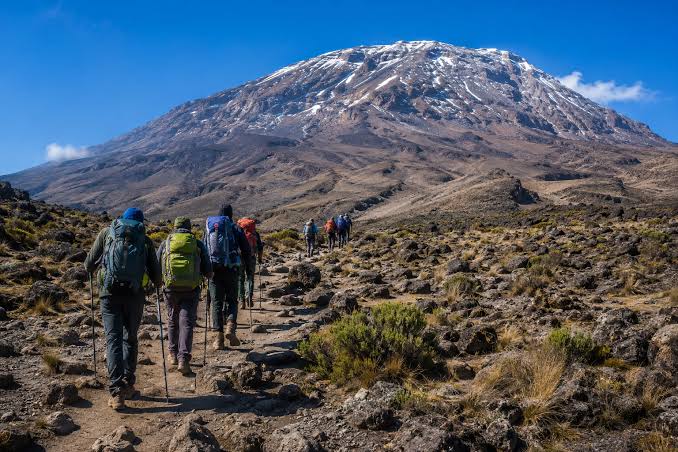
Machame vs Lemosho: Which Kilimanjaro Route Should You Choose?
Choosing the right route is one of the most important decisions when planning to climb Mount Kilimanjaro. Although several trails lead to Uhuru Peak, the experience differs considerably depending on where you start, how many days you spend on the mountain, the scenery you encounter and the time available for acclimatisation. Two of the most popular options are the Machame and Lemosho routes. Both offer spectacular views, varied landscapes and a challenging journey to Africa’s highest mountain. However, they suit different travel schedules and preferences. The Lemosho route is generally the better choice for climbers who want a quieter beginning, more time to acclimatise and a longer trekking experience. Machame is a popular alternative for travellers with a tighter schedule who still want an adventurous and scenic climb. In this guide, we compare Machame vs Lemosho to help you decide which Kilimanjaro route best suits your fitness, available time, expectations and summit ambitions. Machame vs Lemosho: What Is the Main Difference? The main difference between the Machame and Lemosho routes is their starting location, duration and early climbing experience. Machame approaches Kilimanjaro from the southern side, beginning at Machame Gate. It is commonly completed in six or seven days and is one of the busiest climbing routes on the mountain. The Lemosho route approaches from the western side through Londorossi Gate. It usually takes seven or eight days, offering a longer and more gradual introduction to the mountain. Its early sections are generally quieter before joining the Machame trail at higher elevations. Both routes eventually approach the summit through the southern circuit, with climbers commonly passing Barafu Camp before their final ascent towards Uhuru Peak. Here is a quick comparison: Feature Machame Route Lemosho Route Starting side Southern approach Western approach Starting gate Machame Gate Londorossi Gate Typical duration 6–7 days 7–8 days Crowds Generally busier Quieter initially Scenery Rainforest, moorland and alpine desert Rainforest, Shira Plateau and alpine desert Accommodation Mountain camping Mountain camping Acclimatisation Good, particularly on 7 days Generally better on longer itineraries Difficulty Challenging Challenging Best suited to Climbers with limited time Climbers who prefer a gradual itinerary The best choice depends on how much time you can spend on the mountain. A longer itinerary can provide valuable acclimatisation opportunities, although no route guarantees reaching the summit. Understanding the Lemosho Route The Lemosho route is widely regarded as one of the most scenic approaches to Mount Kilimanjaro. It begins on the western side of the mountain, where climbers travel through a remote forest environment before reaching the open landscapes of the Shira Plateau. One of the biggest advantages of the Lemosho route is its gradual progression through different ecological zones. Trekkers experience dense rainforest, open moorland, volcanic landscapes and the high-altitude alpine desert. The longer itinerary also gives climbers more opportunities to adjust to the increasing altitude. How Many Days Does the Lemosho Route Take? The Lemosho route is usually completed in seven or eight days, although longer variations may be available. The eight-day Lemosho route is particularly attractive because it allows additional time for acclimatisation and a more relaxed trekking schedule. A typical eight-day itinerary includes: Day 1: Londorossi Gate to Mti Mkubwa Camp. Day 2: Mti Mkubwa Camp to Shira 1 Camp. Day 3: Shira 1 Camp to Shira 2 Camp. Day 4: Shira 2 Camp towards Lava Tower and onward to Barranco Camp. Day 5: Barranco Camp to Karanga Camp. Day 6: Karanga Camp to Barafu Camp. Day 7: Summit attempt at Uhuru Peak followed by descent to Mweka Camp. Day 8: Descent to Mweka Gate. Actual itineraries can vary between operators, particularly in how they arrange acclimatisation walks and overnight stops. Why Choose the Lemosho Route? The Lemosho route offers several advantages: A quieter beginning: The western approach generally has fewer climbers during the early stages compared with Machame. More acclimatisation time: Seven- and eight-day itineraries provide additional opportunities for the body to adjust to altitude. Exceptional scenery: The route passes through the rainforest and across the spectacular Shira Plateau. A gradual introduction: Its longer schedule can make the overall climbing experience more manageable when properly paced. A rewarding trekking experience: The changing landscapes provide excellent opportunities for photography and experiencing Kilimanjaro’s different ecological zones. For travellers who want to understand the route in greater detail, explore our Lemosho Route Kilimanjaro climb guide. Understanding the Machame Route The Machame route, sometimes called the Whiskey Route, is another popular way to reach the summit of Kilimanjaro. It begins at Machame Gate on the southern side of the mountain. The trail initially passes through rainforest before opening into moorland and more exposed volcanic terrain. Machame is known for its dramatic scenery and varied trekking conditions. It also includes the famous Barranco Wall, a steep section that requires careful scrambling but does not involve technical rock climbing under normal route conditions. How Many Days Does the Machame Route Take? The Machame route is commonly completed in six or seven days. The seven-day Machame route is generally preferable for climbers who can spare the extra time because it provides a more favourable acclimatisation schedule. A typical seven-day itinerary includes: Day 1: Machame Gate to Machame Camp. Day 2: Machame Camp to Shira Cave Camp. Day 3: Shira Camp towards Lava Tower and descent to Barranco Camp. Day 4: Barranco Camp to Karanga Camp. Day 5: Karanga Camp to Barafu Camp. Day 6: Summit attempt at Uhuru Peak followed by descent to Mweka Camp. Day 7: Descent to Mweka Gate. The exact arrangement depends on the climbing programme offered by the operator. Why Choose the Machame Route? Machame is particularly suitable for climbers who want a scenic and established trekking experience. Its main advantages include: A shorter schedule: The six- or seven-day programme can suit travellers with limited holiday time. Spectacular landscapes: Climbers experience rainforest, moorland, volcanic formations and high-altitude desert. A popular climbing trail: Its established camps and route infrastructure make it a familiar option for experienced Kilimanjaro operators. A rewarding challenge: The Barranco Wall…
Read More