Lake Manyara and Ndutu: Brilliant Northern Tanzania Stops You Should Not Skip
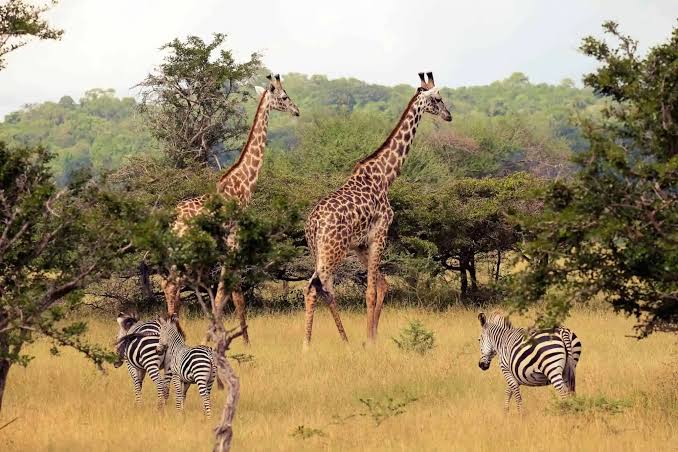
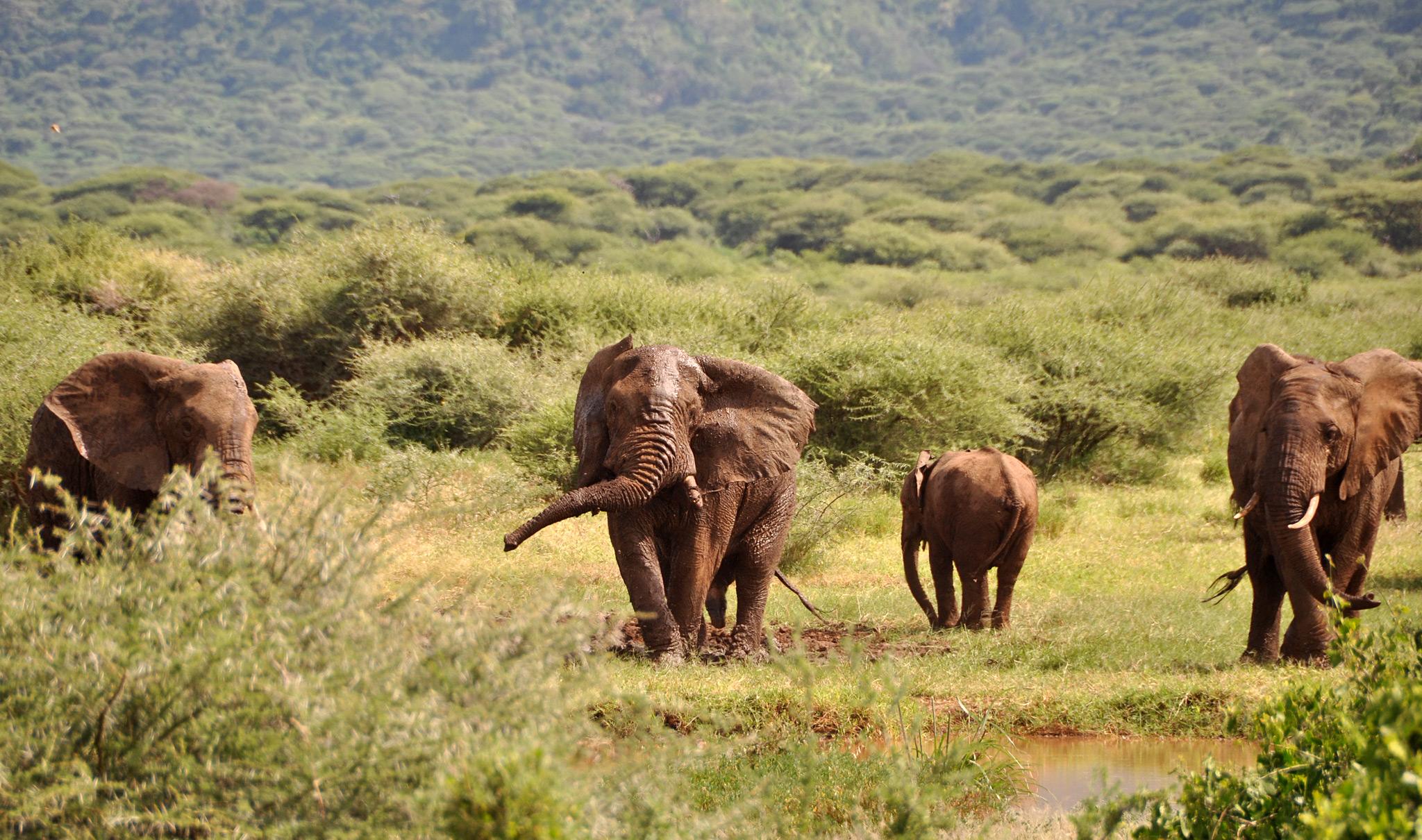
A Lake Manyara safari and a visit to Ndutu can add important wildlife, scenery and seasonal experiences to a northern Tanzania itinerary. Many travellers planning a Tanzania safari immediately think of the Serengeti and Ngorongoro Crater. Those destinations deserve their reputation. But a well-designed northern circuit is not necessarily about visiting only the most famous parks. Two less obvious stops can add considerable variety: Lake Manyara and Ndutu. Lake Manyara offers a compact wildlife experience beneath the dramatic Rift Valley escarpment. Ndutu offers a completely different experience, particularly during the wildebeest calving season when the southern Serengeti ecosystem becomes one of the most important wildlife areas in East Africa. They are not interchangeable. They serve different purposes. A Lake Manyara safari can work particularly well early in an itinerary because of its location between Arusha and the Ngorongoro highlands. Ndutu, meanwhile, is strongly seasonal and can become a major priority when the migration is concentrated in the southern ecosystem. Understanding when and why to include each can help turn a standard northern circuit into a much more thoughtful safari. Lake Manyara Safari: What Makes It Worth Visiting? A Lake Manyara safari combines forest, woodland, open areas, groundwater-fed wetlands and the dramatic Great Rift Valley escarpment in a relatively compact park. Lake Manyara National Park is smaller than the Serengeti. That is part of its appeal. You can experience several different habitats during a relatively short game drive. The park can offer opportunities to see: Elephants. Giraffes. Buffalo. Zebras. Hippos. Baboons. Monkeys. Antelope. Lions. Leopards. Large numbers of birds. The scenery is also one of the major attractions. The Rift Valley escarpment creates a dramatic backdrop. Lake Manyara Safari: Forest, Lake and Rift Valley Scenery The landscape is one of the strongest reasons to choose a Lake Manyara safari because the park compresses several distinct environments into a relatively small area. Depending on the season and conditions, you may move through: Groundwater Forest Dense evergreen vegetation creates a cool environment for elephants, primates and other wildlife. Woodland Woodland areas provide habitat for giraffes, elephants and numerous bird species. Open Plains Open areas can support grazing animals and predators. Lake and Wetlands Water attracts hippos, waterbirds and other wetland species. Rift Valley Escarpment The dramatic wall of the Rift Valley provides a striking backdrop throughout parts of the park. This variety makes Manyara visually different from the Serengeti. Lake Manyara Safari: Elephants and Primates A Lake Manyara safari can be particularly rewarding for travellers interested in elephants and primates because the park’s woodland and forest habitats provide excellent conditions for both. Elephants can be encountered moving through woodland or forest. The park is also home to: Baboons. Blue monkeys. Vervet monkeys. Other primates. The forest environment gives Manyara a different atmosphere from open-country destinations. Instead of scanning enormous plains, you are often watching wildlife among trees and dense vegetation. Lake Manyara Safari: The Famous Tree-Climbing Lions Lake Manyara is famous for reports of tree-climbing lions, although sightings are never guaranteed and should not be the sole reason for visiting. The behaviour is unusual enough to attract considerable attention. Lions may climb trees for reasons that can include: Escaping insects. Seeking shade. Resting. Gaining a better vantage point. However, seeing lions in trees is not an everyday certainty. A responsible itinerary should treat it as a possibility rather than a promise. Lake Manyara Safari: Birdwatching Lake Manyara can be an excellent birding stop because its lake, wetlands, forest and woodland habitats support a diverse range of birdlife. Depending on the season, you may encounter: Flamingos. Pelicans. Storks. Herons. Egrets. Kingfishers. Raptors. Hornbills. Bird numbers and species vary with water levels and seasonal conditions. For dedicated birdwatchers, spending more time in the park can be worthwhile. Lake Manyara Safari: Hippos and Waterbirds The lake and associated wetlands create important habitat for hippos and water-dependent bird species. Hippos spend much of their time in water during daylight hours. Nearby vegetation and wetland areas attract birds. This gives the park another ecological layer. A safari here is therefore not simply about large terrestrial mammals. The water environment matters. Lake Manyara Safari: When Is the Best Time? The best time for a Lake Manyara safari depends on whether you prioritise general wildlife viewing, birding, lush scenery or combining Manyara efficiently with the rest of the northern circuit. Different periods bring different advantages. Dry Periods Wildlife can be easier to locate around available water. Green Periods The scenery becomes particularly attractive, with fresh vegetation and dramatic skies. Wet Periods Bird activity can be rewarding, although road and weather conditions require consideration. There is no single perfect month for every traveller. Lake Manyara Safari: How Long Should You Stay? One full day is often sufficient for a Lake Manyara safari when Manyara is being used as part of a broader northern Tanzania itinerary. Manyara can work particularly well as: Arusha → Manyara → Ngorongoro → Serengeti This allows you to experience the park without spending too many nights away from the Serengeti. Travellers with strong birding or photography interests may prefer additional time. Lake Manyara Safari: Who Should Visit? A Lake Manyara safari suits travellers who want a varied ecosystem, elephants, primates, birds and dramatic scenery without dedicating several days to a single park. Manyara is particularly suitable for: First-time safari travellers. Families. Photographers. Birdwatchers. Short itineraries. Travellers driving from Arusha towards Ngorongoro. Visitors who enjoy varied landscapes. It is less suitable if your only objective is to spend as much time as possible in the Serengeti. Ndutu Tanzania: What Makes It Different? Ndutu Tanzania is best understood as part of the southern Serengeti ecosystem and Ngorongoro Conservation Area rather than simply another standalone safari park. Ndutu sits in a region where the southern plains become particularly important to the Great Migration. Its importance is highly seasonal. During the calving period, enormous numbers of wildebeest gather across the southern plains. That concentration attracts predators. The result can be spectacular. Ndutu Tanzania: The Calving Season Ndutu Tanzania becomes particularly…
Read More