Serengeti in October, November and December: Remarkable Return-South Safari
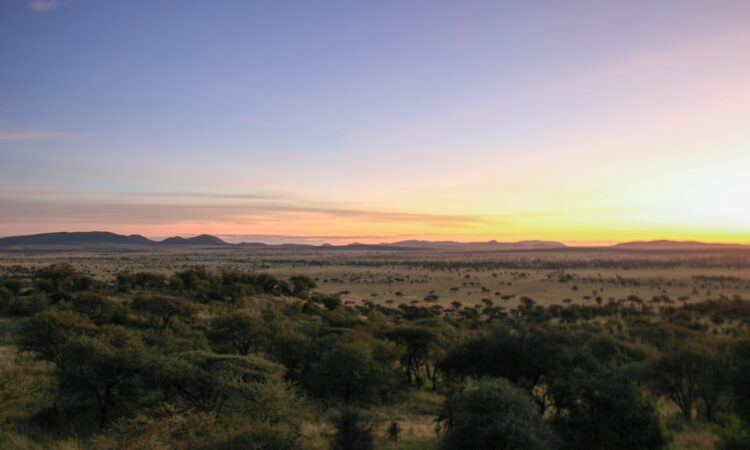
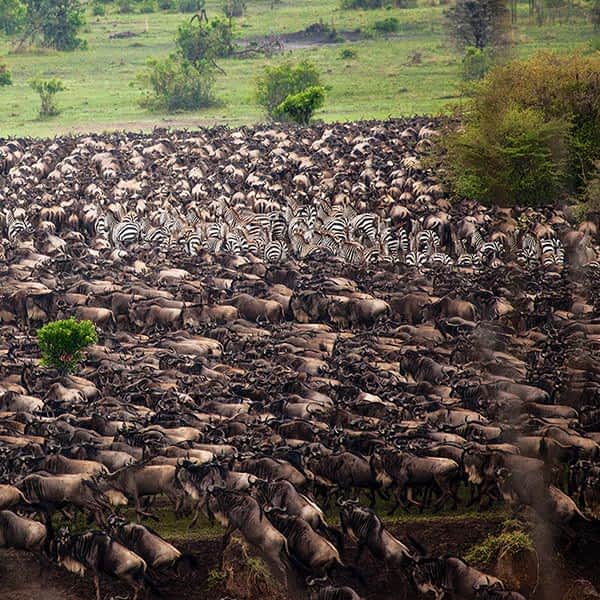
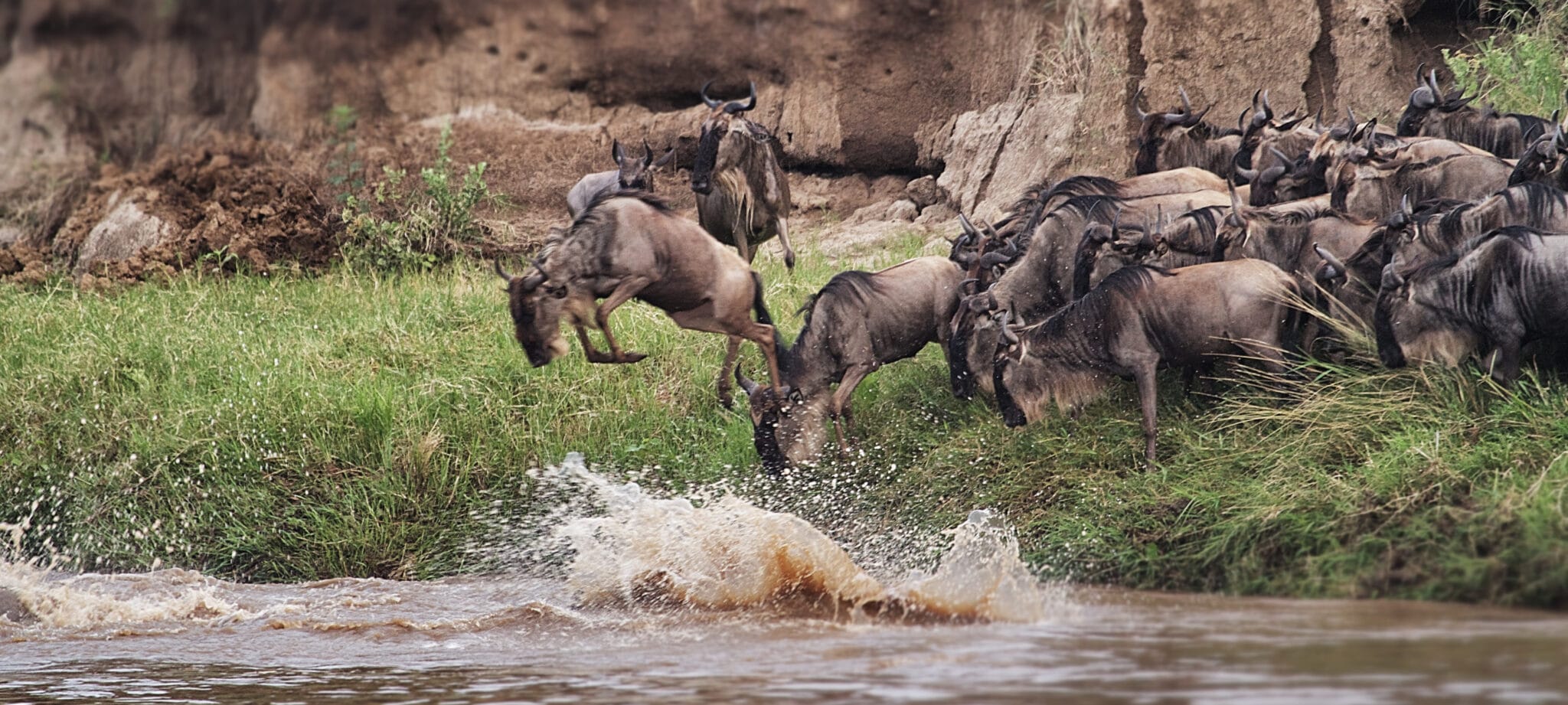
Serengeti October, November and December mark an important transition in the annual migration as herds begin moving south from the northern Serengeti and wider Mara ecosystem towards areas with fresh grazing. For travellers who only associate the Serengeti with July and August river crossings, these months offer a useful reminder that the Great Migration is a year-round ecological cycle. The herds do not simply disappear after the Mara River crossing season. They continue moving. Rainfall changes. Fresh grass appears. Wildlife patterns shift. And the Serengeti gradually becomes greener again. October can still feel dry in many areas. November brings the possibility of short rains. December can see increasingly green landscapes as the southern plains become more productive. For flexible travellers, this period can offer a fascinating combination of migration movement, resident wildlife, changing scenery and potentially better value than the busiest months. Serengeti October: The Beginning of the Return South Serengeti October is a fascinating month because the northern migration phase begins giving way to the gradual movement south towards fresh grazing areas. The precise timing varies from year to year. Rainfall is one of the biggest influences. As conditions change, wildebeest and zebra begin responding to the availability of grass and water. Some herds can remain in the north for a while. Others begin moving south earlier. This creates a transition rather than a single dramatic event. Travellers visiting Serengeti October should therefore think in terms of movement across the ecosystem rather than expecting every herd to be in one place. Serengeti November Short Rains: What to Expect Serengeti November short rains are an important seasonal change that can begin transforming the dry landscape into greener grazing country. The short rains do not necessarily mean continuous rain. A typical day can still include: Sunshine. Cloud formations. Short showers. Heavy afternoon storms. Clear periods. Dramatic sunsets. Rainfall varies significantly from year to year. This variability affects the location of the herds. For travellers researching Serengeti November short rains, flexibility is more important than attempting to predict the exact weather. Serengeti December: Green Landscapes Return Serengeti December can bring increasingly green scenery as rainfall replenishes grasslands and the migration continues its southward movement. By December, parts of the southern Serengeti and surrounding ecosystem can become increasingly attractive to migrating herbivores. Fresh grazing encourages the herds to continue their movement. This is also an excellent time to experience the Serengeti as a living ecosystem rather than simply a backdrop for one famous migration event. Resident animals remain active. Predators continue hunting. Birdlife can become particularly interesting. And the landscape becomes progressively greener. Serengeti October to December: Where Are the Herds? Serengeti October to December generally represents the beginning and continuation of the migration’s return south, although exact herd locations depend on rainfall and grazing conditions. A broad seasonal pattern is: Northern Serengeti → Central Serengeti → Southern Serengeti But migration routes are not perfectly predictable. Different groups can be separated by considerable distances. Some animals may move south quickly. Others may remain farther north. This is why an experienced guide is valuable during shoulder-season safaris. Serengeti October: Northern and Central Areas Serengeti October can still provide excellent opportunities in northern and central areas while the migration begins transitioning south. The northern Serengeti remains home to resident wildlife. Travellers can encounter: Lions. Leopards. Cheetahs. Elephants. Buffalo. Giraffes. Hippos. Hyenas. The migration itself may be spread out. Rather than focusing exclusively on finding a massive herd, guides can combine migration tracking with searches for resident wildlife. Serengeti November: Following the Rain Serengeti November is strongly influenced by rainfall because the arrival of short rains can trigger changes in grazing conditions and encourage the herds to move south. Rainfall is one of the great drivers of the ecosystem. Fresh rain produces new grass. New grass attracts herbivores. Herbivores support predators and scavengers. The entire food chain responds. This makes Serengeti November particularly interesting for travellers who enjoy observing ecological processes rather than chasing a single famous sighting. Serengeti December: Southern Serengeti Serengeti December can be a good time to start focusing on southern Serengeti areas as migrating herds increasingly respond to fresh grazing. The southern plains become increasingly relevant as the wet season develops. This seasonal movement eventually leads towards the calving period that becomes particularly important in January and February. That makes December an interesting bridge between the northern migration season and the upcoming calving season. Serengeti October to December: Is the Migration Still Worth Seeing? Absolutely. The Great Migration is a continuous annual cycle, and October through December can provide a different but equally meaningful migration experience. The migration includes: Movement. Grazing. Resting. Predator interactions. River crossings. Births. Calf survival. Seasonal dispersal. Not every month provides the same spectacle. October to December is about movement and transition. For some travellers, that is more appealing than visiting solely for a dramatic river crossing. Serengeti October to December: Wildlife Beyond the Migration The Serengeti remains a superb wildlife destination even when the migrating herds are moving away from your particular area. You may see: Lions. Leopards. Cheetahs. Elephants. Buffalo. Giraffes. Hippos. Hyenas. Jackals. Gazelles. Zebra. Resident wildlife does not follow the migration in the same way. This makes a well-designed itinerary valuable. Serengeti October to December: Predator Viewing Predator sightings remain an important part of Serengeti October to December safaris because lions, leopards, cheetahs and hyenas are present throughout the ecosystem. Predators respond to prey availability. Where wildebeest and zebra concentrations are high, hunting opportunities can increase. However, predators also maintain territories independent of migration. A guide should therefore balance: Migration tracking + resident wildlife tracking + habitat knowledge This approach creates a more complete safari. Serengeti October to December: Lions Lions can be seen throughout the Serengeti during October, November and December, making them one of the most reliable big-cat targets outside specific migration events. Look for: Pride activity. Cubs. Hunting behaviour. Mating. Territorial behaviour. Feeding. The return south can create changing prey concentrations. This may influence where predators are found. Serengeti October…
Read More