
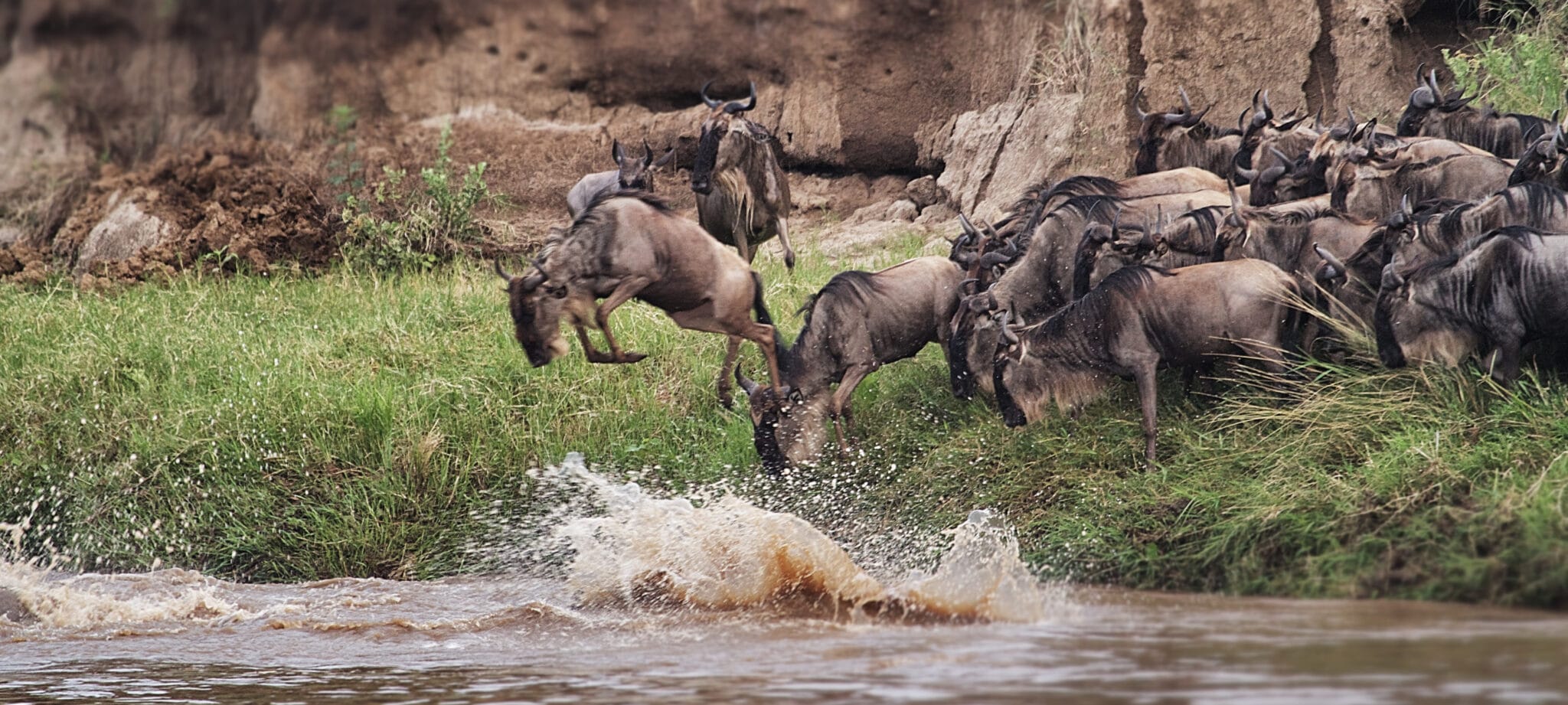
Serengeti in October, November and December: Remarkable Return-South Safari
Serengeti October, November and December mark an important transition in the annual migration as herds begin moving south from the northern Serengeti and wider Mara ecosystem towards areas with fresh grazing.
For travellers who only associate the Serengeti with July and August river crossings, these months offer a useful reminder that the Great Migration is a year-round ecological cycle.
The herds do not simply disappear after the Mara River crossing season.
They continue moving.
Rainfall changes.
Fresh grass appears.
Wildlife patterns shift.
And the Serengeti gradually becomes greener again.
October can still feel dry in many areas.
November brings the possibility of short rains.
December can see increasingly green landscapes as the southern plains become more productive.
For flexible travellers, this period can offer a fascinating combination of migration movement, resident wildlife, changing scenery and potentially better value than the busiest months.
Serengeti October: The Beginning of the Return South
Serengeti October is a fascinating month because the northern migration phase begins giving way to the gradual movement south towards fresh grazing areas.
The precise timing varies from year to year.
Rainfall is one of the biggest influences.
As conditions change, wildebeest and zebra begin responding to the availability of grass and water.
Some herds can remain in the north for a while.
Others begin moving south earlier.
This creates a transition rather than a single dramatic event.
Travellers visiting Serengeti October should therefore think in terms of movement across the ecosystem rather than expecting every herd to be in one place.
Serengeti November Short Rains: What to Expect
Serengeti November short rains are an important seasonal change that can begin transforming the dry landscape into greener grazing country.
The short rains do not necessarily mean continuous rain.
A typical day can still include:
- Sunshine.
- Cloud formations.
- Short showers.
- Heavy afternoon storms.
- Clear periods.
- Dramatic sunsets.
Rainfall varies significantly from year to year.
This variability affects the location of the herds.
For travellers researching Serengeti November short rains, flexibility is more important than attempting to predict the exact weather.
Serengeti December: Green Landscapes Return
Serengeti December can bring increasingly green scenery as rainfall replenishes grasslands and the migration continues its southward movement.
By December, parts of the southern Serengeti and surrounding ecosystem can become increasingly attractive to migrating herbivores.
Fresh grazing encourages the herds to continue their movement.
This is also an excellent time to experience the Serengeti as a living ecosystem rather than simply a backdrop for one famous migration event.
Resident animals remain active.
Predators continue hunting.
Birdlife can become particularly interesting.
And the landscape becomes progressively greener.
Serengeti October to December: Where Are the Herds?
Serengeti October to December generally represents the beginning and continuation of the migration’s return south, although exact herd locations depend on rainfall and grazing conditions.
A broad seasonal pattern is:
Northern Serengeti → Central Serengeti → Southern Serengeti
But migration routes are not perfectly predictable.
Different groups can be separated by considerable distances.
Some animals may move south quickly.
Others may remain farther north.
This is why an experienced guide is valuable during shoulder-season safaris.
Serengeti October: Northern and Central Areas
Serengeti October can still provide excellent opportunities in northern and central areas while the migration begins transitioning south.
The northern Serengeti remains home to resident wildlife.
Travellers can encounter:
- Lions.
- Leopards.
- Cheetahs.
- Elephants.
- Buffalo.
- Giraffes.
- Hippos.
- Hyenas.
The migration itself may be spread out.
Rather than focusing exclusively on finding a massive herd, guides can combine migration tracking with searches for resident wildlife.
Serengeti November: Following the Rain
Serengeti November is strongly influenced by rainfall because the arrival of short rains can trigger changes in grazing conditions and encourage the herds to move south.
Rainfall is one of the great drivers of the ecosystem.
Fresh rain produces new grass.
New grass attracts herbivores.
Herbivores support predators and scavengers.
The entire food chain responds.
This makes Serengeti November particularly interesting for travellers who enjoy observing ecological processes rather than chasing a single famous sighting.
Serengeti December: Southern Serengeti
Serengeti December can be a good time to start focusing on southern Serengeti areas as migrating herds increasingly respond to fresh grazing.
The southern plains become increasingly relevant as the wet season develops.
This seasonal movement eventually leads towards the calving period that becomes particularly important in January and February.
That makes December an interesting bridge between the northern migration season and the upcoming calving season.
Serengeti October to December: Is the Migration Still Worth Seeing?
Absolutely. The Great Migration is a continuous annual cycle, and October through December can provide a different but equally meaningful migration experience.
The migration includes:
- Movement.
- Grazing.
- Resting.
- Predator interactions.
- River crossings.
- Births.
- Calf survival.
- Seasonal dispersal.
Not every month provides the same spectacle.
October to December is about movement and transition.
For some travellers, that is more appealing than visiting solely for a dramatic river crossing.
Serengeti October to December: Wildlife Beyond the Migration
The Serengeti remains a superb wildlife destination even when the migrating herds are moving away from your particular area.
You may see:
- Lions.
- Leopards.
- Cheetahs.
- Elephants.
- Buffalo.
- Giraffes.
- Hippos.
- Hyenas.
- Jackals.
- Gazelles.
- Zebra.
Resident wildlife does not follow the migration in the same way.
This makes a well-designed itinerary valuable.
Serengeti October to December: Predator Viewing
Predator sightings remain an important part of Serengeti October to December safaris because lions, leopards, cheetahs and hyenas are present throughout the ecosystem.
Predators respond to prey availability.
Where wildebeest and zebra concentrations are high, hunting opportunities can increase.
However, predators also maintain territories independent of migration.
A guide should therefore balance:
Migration tracking + resident wildlife tracking + habitat knowledge
This approach creates a more complete safari.
Serengeti October to December: Lions
Lions can be seen throughout the Serengeti during October, November and December, making them one of the most reliable big-cat targets outside specific migration events.
Look for:
- Pride activity.
- Cubs.
- Hunting behaviour.
- Mating.
- Territorial behaviour.
- Feeding.
The return south can create changing prey concentrations.
This may influence where predators are found.
Serengeti October to December: Leopards and Cheetahs
Leopards and cheetahs remain possible throughout the shoulder season, although sightings are never guaranteed.
Leopards often favour:
- Riverine areas.
- Woodlands.
- Large trees.
- Rocky habitats.
Cheetahs often prefer:
- Open grassland.
- Areas with good visibility.
- Plains containing suitable prey.
The changing landscape can create different viewing conditions as the rains return.
Serengeti October to December: Birdwatching
The return of rain can make October to December particularly interesting for birdwatchers as changing conditions bring fresh vegetation and seasonal bird activity.
The Serengeti supports a remarkable range of bird species.
You may encounter:
- Raptors.
- Ground birds.
- Waterbirds.
- Migratory species.
- Grassland specialists.
Birding is often overlooked by travellers focused entirely on the Great Migration.
Yet the green season can add another dimension to the safari.
Serengeti November Short Rains: Do They Ruin Game Drives?
No, Serengeti November short rains do not automatically disrupt a safari, although heavy rainfall can occasionally affect roads and driving conditions.
Rain can actually improve the visual experience.
After a shower, the landscape can become:
- Fresh.
- Green.
- Reflective.
- Dramatic.
- Cooler.
Clouds can also produce exceptional photographic light.
The main issue is road access.
Heavy rainfall can make some tracks muddy.
Your guide may adjust the route accordingly.
Serengeti October to December: Photography Opportunities
Serengeti October to December can be an excellent period for photography because changing skies, green landscapes and wildlife movement create varied compositions.
Photographers can capture:
- Green grasslands.
- Dark storm clouds.
- Rainbows.
- Golden light.
- Wildebeest herds.
- Zebra.
- Lions.
- Leopards.
- Cheetahs.
- Dramatic sunsets.
The changing weather can produce much more atmospheric photographs than a uniformly sunny day.
Serengeti October to December: Weather
Weather during Serengeti October to December becomes progressively more influenced by rainfall, with October often feeling drier and November and December becoming increasingly associated with short rains and greener conditions.
Broadly:
October
Often relatively dry, with conditions changing as the month progresses.
November
Short rains become increasingly important.
December
Green-season conditions become more noticeable in many areas.
These are general patterns.
Actual weather varies annually.
Serengeti October to December: What Should You Pack?
Packing for Serengeti October to December requires flexibility because travellers may experience sunshine, heat, rain and cooler mornings during the same trip.
Useful items include:
- Lightweight trousers.
- Long-sleeved shirts.
- Light fleece.
- Waterproof jacket.
- Comfortable walking shoes.
- Hat.
- Sunglasses.
- Sunscreen.
- Insect repellent.
- Camera rain cover.
- Waterproof bag.
- Binoculars.
- Extra camera batteries.
- Quick-drying clothing.
Layering is particularly useful.
Serengeti October to December: Is It High Season?
October can still experience significant safari demand, while November is generally quieter and December demand can increase around the holiday period.
Demand varies by exact dates.
The first part of December can be very different from Christmas and New Year travel.
Travellers seeking better availability should consider their dates carefully.
Accommodation in popular areas can still sell out.
Serengeti October to December: Shoulder-Season Value
October to December can offer attractive shoulder-season value for travellers who want a balance between wildlife, changing landscapes and potentially lower demand.
The strongest value is not necessarily simply a lower room rate.
You may also benefit from:
- Greater accommodation choice.
- Fewer vehicles.
- More flexible itineraries.
- Quieter wildlife sightings.
- Attractive seasonal offers.
However, prices vary significantly between camps and dates.
Always compare the complete safari package.
Serengeti October to December: Is October Good for a Safari?
Yes, Serengeti October can be excellent for travellers who want dry-season conditions while experiencing the migration’s gradual movement south.
October is particularly suitable for:
- Repeat safari travellers.
- Photographers.
- Wildlife enthusiasts.
- Couples.
- Travellers seeking quieter periods.
The main uncertainty is herd location.
Serengeti November: Is It Good for a Safari?
Serengeti November can suit flexible travellers who appreciate greener landscapes, fewer visitors and the changing character of the ecosystem.
The short rains are the main consideration.
If you are comfortable carrying rain protection and accepting some wet-weather disruption, November can be highly rewarding.
It can also provide a more peaceful atmosphere than the busiest migration months.
Serengeti December: Is It Good for a Safari?
Serengeti December can be an excellent month for combining migration movement, green scenery and the approach of the southern calving season.
It is particularly interesting for travellers who want:
- Green landscapes.
- Wildlife.
- Photography.
- Migration movement.
- Fewer vehicles outside holiday periods.
Christmas and New Year dates can be significantly busier.
Serengeti October to December: Family Safaris
Families can enjoy an October to December Serengeti safari, especially when the itinerary allows flexibility around weather and children’s needs.
A private vehicle can be particularly useful.
Families can adjust:
- Departure times.
- Game-drive length.
- Rest periods.
- Meal arrangements.
- Routes.
During rainy periods, children should have waterproof clothing and comfortable footwear.
Serengeti October to December: Honeymoon Safaris
October to December can work beautifully for a honeymoon, particularly for couples who value green scenery, quieter camps and a more flexible safari experience.
A honeymoon itinerary could combine:
Serengeti → Ngorongoro → Zanzibar
This creates a natural progression from wildlife to beach relaxation.
Couples travelling in November can particularly enjoy the atmospheric scenery created by short rains.
Serengeti October to December: How Many Nights?
Three to four nights in the Serengeti provides a useful starting point, while longer stays create more flexibility for migration tracking and changing weather.
A sample itinerary could be:
Day 1
Arrival and afternoon game drive.
Day 2
Full-day game drive.
Day 3
Migration and wildlife-focused game drive.
Day 4
Morning game drive and departure.
For travellers specifically following the return south, additional nights can be useful.
Serengeti October to December: Choosing the Right Area
The best Serengeti location depends heavily on your travel month and whether your priority is migration movement, resident wildlife or green-season scenery.
October
Northern and central areas can remain useful.
November
Central and western areas may become increasingly interesting as rainfall changes conditions.
December
Southern Serengeti becomes increasingly relevant as herds move towards fresh grazing.
There is no single perfect base for all three months.
Serengeti October to December: Mobile Camps
Mobile camps can be useful for travellers who want accommodation positioned according to seasonal wildlife movements.
A mobile camp may follow the migration more closely than a fixed property.
Before booking, ask:
- Where will the camp be during my dates?
- How close is it to the expected herd movement?
- Is the camp operating throughout my stay?
- What is included?
- How are transfers handled?
Location is particularly important during migration-focused trips.
Serengeti October to December: Private Safari vs Shared Safari
A private safari can provide greater flexibility during the return-south period because herd movement and weather conditions can require changes to the daily plan.
With a private vehicle, you can:
- Spend longer at wildlife sightings.
- Adjust routes.
- Start earlier.
- Return to camp when necessary.
- Change plans after rainfall.
- Focus on specific species.
Shared safaris can provide a lower-cost option.
The best choice depends on your priorities and budget.
Serengeti October to December: Common Mistakes
Travellers can misunderstand the October-to-December period by expecting the same migration spectacle associated with August river crossings.
Avoid these mistakes:
Expecting a fixed migration location
The herds are moving.
Assuming November means constant rain
Short rains are often intermittent.
Ignoring road conditions
Heavy rainfall can affect some tracks.
Choosing accommodation without checking location
Where you sleep influences game-drive opportunities.
Booking only for the migration
Resident wildlife remains a major attraction.
Ignoring December holiday demand
Christmas and New Year dates can be busy.
Serengeti October to December: Frequently Asked Questions
Is October a good time to visit the Serengeti?
Yes. October can provide dry-season conditions, excellent wildlife and the beginning of the migration’s return south.
Where is the migration in October?
The herds can still be found in northern Serengeti and the wider Mara ecosystem, while some groups begin moving south.
What are Serengeti November short rains?
They are seasonal rains that can bring fresh grass and greener landscapes while influencing the southward migration.
Does it rain every day in November?
No. Rainfall is variable and can occur as short showers or heavier storms.
Is December a good month for the Serengeti?
Yes. December can offer greener landscapes, wildlife and the migration’s continued movement towards southern grazing areas.
Can I see the Great Migration in December?
Yes. The migration continues throughout December, with herds generally moving towards southern areas as conditions allow.
Is October cheaper than August?
It can be less expensive depending on the property and dates, but pricing varies significantly.
Is November a low season?
November is generally quieter than peak migration months, although exact demand varies by location and travel dates.
Can I see big cats in November?
Yes. Lions, leopards and cheetahs remain resident in the Serengeti throughout the year.
Is December good for photography?
Yes. Green landscapes, changing skies, wildlife and dramatic weather can create excellent photographic opportunities.
Should I visit in October, November or December?
Choose October if you prefer generally drier conditions, November if you value quieter green-season travel, and December if you want increasingly green landscapes and the approach of the southern migration and calving period.
Conclusion: Why Serengeti October to December Is Worth Considering
Serengeti October to December offers a quieter and increasingly green perspective on the Great Migration, with the herds gradually returning south as rainfall creates fresh grazing opportunities.
Serengeti October can provide a useful transition from the dry northern migration season.
Serengeti November short rains bring fresh grass, dramatic skies and changing wildlife conditions.
Serengeti December increasingly points towards the southern Serengeti and the calving season that follows.
None of these months offers the same experience as peak Mara River crossing season.
That is precisely the point.
For travellers who want a more flexible safari, changing landscapes, fewer vehicles and an opportunity to see the migration as a continuous ecological process, October through December can be an excellent choice.
The Serengeti does not have just one safari season.
It has many seasons, each revealing a different part of the ecosystem.
Plan Your Serengeti Safari With Odysseys From Africa
Odysseys From Africa can design a tailor-made Tanzania safari around your preferred month, wildlife interests, accommodation style and budget.
We can arrange:
- Serengeti October safaris.
- Serengeti November safaris.
- Serengeti December safaris.
- Great Migration itineraries.
- Southern Serengeti safaris.
- Northern Serengeti safaris.
- Private safari vehicles.
- Mobile camp experiences.
- Photography safaris.
- Luxury safari accommodation.
- Family safaris.
- Honeymoon safaris.
- Ngorongoro Crater safaris.
- Zanzibar beach extensions.
- Kenya and Tanzania combined safaris.