Bush Flight Tanzania Baggage:Essential Rules for Easy Safari Air Transfers
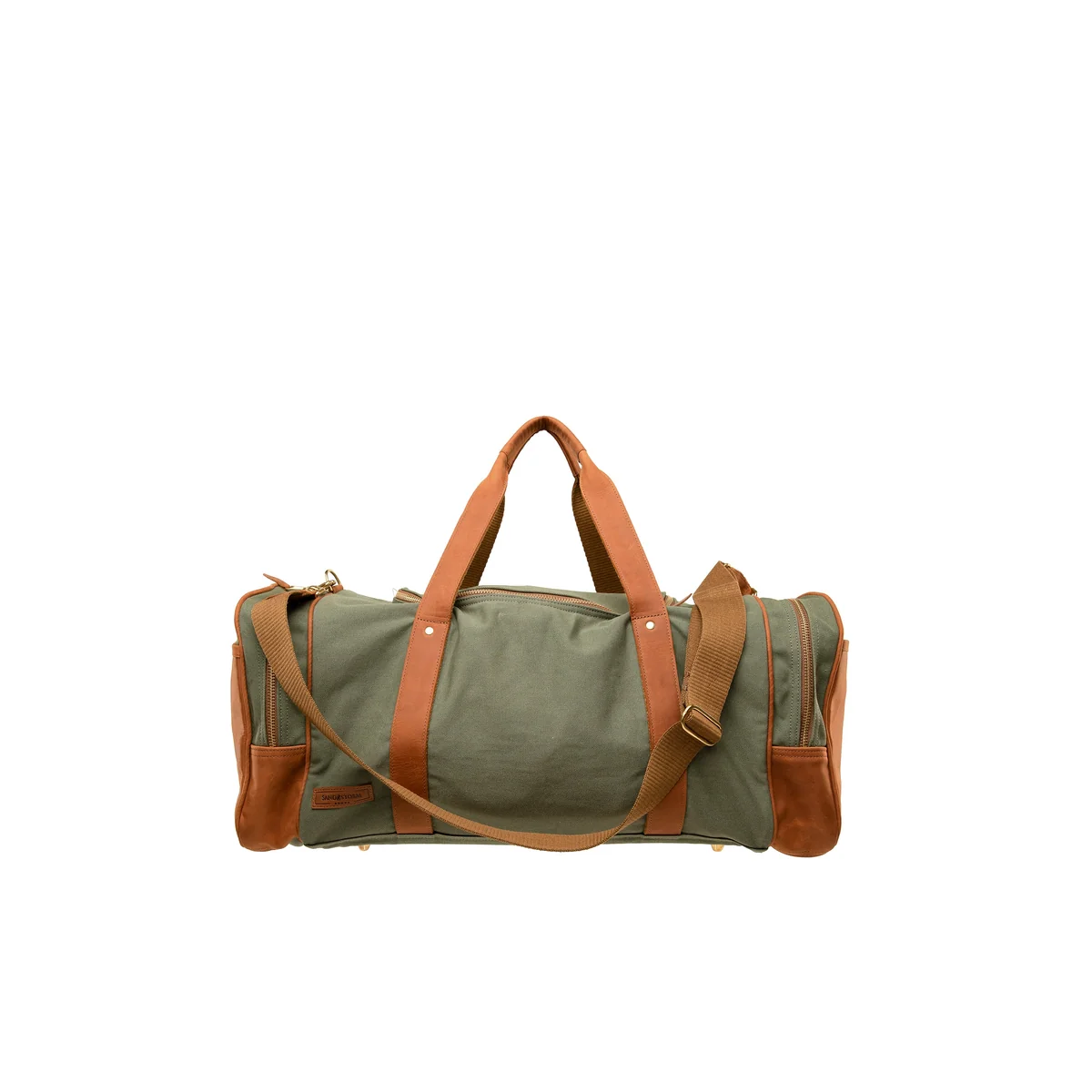
Bush flight Tanzania baggage rules are very different from those on a conventional international airline, and understanding the limits before you pack can prevent problems at the start of your safari. Flying between Tanzania’s safari destinations can save enormous amounts of time. Instead of spending many hours on the road, you can fly directly towards your next camp or lodge. But there is a trade-off. Small safari aircraft have limited luggage capacity. Many safari flights operate with a baggage allowance around 15 kg per passenger, often including hand luggage, and soft-sided bags are commonly required. The exact allowance depends on the airline, aircraft and route. That means your normal hard suitcase may not be suitable. The best approach is to pack for the aircraft rather than trying to make your normal international luggage fit. Bush Flight Tanzania Baggage: Why Are Soft Bags Required? Soft bags are preferred on many bush flights because they can be compressed and fitted into the limited luggage compartments of small aircraft. Safari aircraft are designed for short regional flights and access to remote airstrips. Their baggage compartments are much smaller than those of large commercial aircraft. A rigid suitcase may: Take up too much space. Be difficult to load. Prevent other passengers’ luggage from fitting. Exceed the aircraft’s practical weight or dimensions. A soft-sided duffel is much easier to handle. It can be compressed around other bags and equipment. 15kg Soft Bag Safari: What Does the Rule Mean? The 15kg soft bag safari rule is a common guideline on Tanzania bush flights, but travellers should always confirm the exact allowance with their airline or safari operator before departure. The important point is that 15 kg is not a universal rule for every safari flight. Different operators and aircraft may have different restrictions. Some routes may allow more. Others may impose stricter limits. Your safari booking should therefore specify: Maximum weight. Maximum bag dimensions. Whether hand luggage is included. Whether camera equipment counts separately. Whether excess baggage is possible. Whether additional luggage storage is available. Never assume that an international airline’s baggage allowance applies to a bush flight. Bush Flight Tanzania Baggage: Why Weight Matters So Much Weight restrictions on bush flights exist primarily because small aircraft have strict operating limitations, making baggage weight a safety and operational consideration rather than simply a storage problem. A large commercial aircraft can carry substantial quantities of luggage. A small safari aircraft cannot. Every kilogram matters. The operator must consider: Passenger weight. Fuel requirements. Baggage. Aircraft performance. Weather. Airstrip conditions. Flight distance. This is why airlines operating safari aircraft may weigh passengers and luggage before boarding. It is normal. It is part of safe aviation. Light Aircraft Transfer: What Should You Expect? A light aircraft transfer in Tanzania is usually a practical and scenic way to move between safari areas, often using remote airstrips closer to camps than major airports. Your experience may look very different from a normal airport journey. You might: Leave your safari camp. Drive to a nearby airstrip. Wait for the aircraft. Board with your small bag. Fly towards the next destination. Land on another bush airstrip. Meet a camp vehicle. There may be no conventional terminal. Some airstrips are simply open areas with basic facilities. Light Aircraft Transfer: Why Use One? Light aircraft transfers can dramatically reduce travel time and make remote safari destinations easier to combine within a short itinerary. Consider the difference between driving and flying. A long road transfer may consume most of a day. A light aircraft can sometimes connect safari regions in a fraction of that time. This is particularly valuable when visiting: Serengeti. Ruaha. Nyerere. Katavi. Mahale. Remote conservancies. Multiple safari camps. The benefit is not simply speed. It is more time in the wilderness. Bush Flight Tanzania Baggage: What Type of Bag Should You Buy? For bush flight Tanzania baggage requirements, a soft-sided duffel or safari bag is usually the safest choice, provided its dimensions and weight meet the airline’s requirements. Look for a bag that is: Soft-sided. Lightweight. Durable. Easy to carry. Easy to compress. Securely closable. Appropriately sized. Avoid unnecessarily heavy bags. A suitcase that weighs 5 kg before you pack anything has already consumed a significant part of a 15 kg allowance. 15kg Soft Bag Safari: What Should You Pack? A 15kg soft bag safari requires prioritisation, so pack versatile clothing and essential equipment rather than trying to reproduce your entire wardrobe. A practical packing list can include: 3–4 lightweight shirts. 2–3 pairs of trousers or safari pants. 1 pair of shorts. Lightweight fleece or jacket. Underwear. Socks. Sleepwear. Comfortable walking shoes. Sandals. Hat. Sunglasses. Toiletries. Sunscreen. Insect repellent. Camera equipment. Phone and charger. Essential medication. Small personal items. Laundry services at many safari camps can reduce how much clothing you need. Bush Flight Tanzania Baggage: What About Camera Equipment? Camera equipment requires special planning because cameras and lenses can be heavy and may take a significant portion of your baggage allowance. Photographers should consider: Camera body. Lenses. Batteries. Chargers. Memory cards. Binoculars. Laptop or tablet if required. Avoid carrying unnecessary equipment. A single versatile telephoto lens may be more practical than several large lenses. If you are travelling specifically for photography, tell your safari operator before departure. Some airlines have specific policies for photographic equipment. Bush Flight Tanzania Baggage: Should Camera Gear Go in the Duffel? Valuable and fragile camera equipment should generally be carried in appropriate protective cabin baggage where the airline permits it, rather than packed loosely into checked baggage. This is important because bush flights involve: Small aircraft. Rough airstrips. Manual baggage handling. Limited storage. Protect cameras and lenses properly. A padded camera insert can help turn a soft bag into a more secure travel system. However, always check the operator’s current cabin baggage limits. 15kg Soft Bag Safari: What Should You Leave Behind? The easiest way to meet a 15kg soft bag safari allowance is to remove items that add weight without providing much practical value. Consider leaving…
Read More