
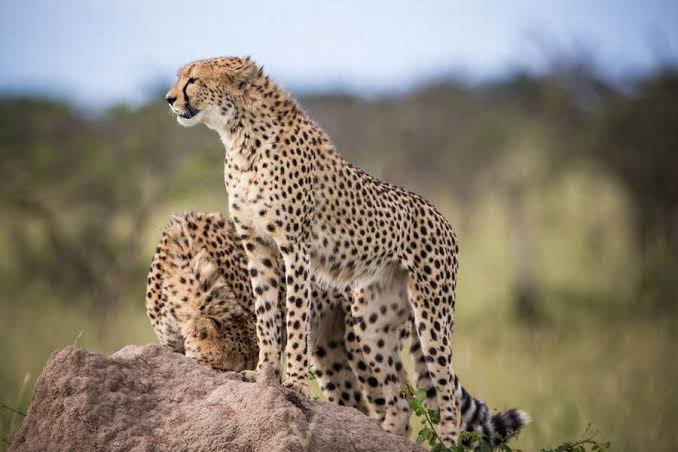
Photographing Big Cats: Settings, Light and Etiquette
A big cat photography safari can produce some of the most rewarding wildlife photographs in Africa. Lions resting beneath an acacia tree, leopards moving silently through golden grass, or cheetahs scanning the plains can all create extraordinary photographic opportunities. However, getting the best images requires more than an expensive camera. You need to understand light, movement, distance, composition and animal behaviour. You also need to know when to put the camera down. The best wildlife photographs are often created when photographers anticipate what an animal may do rather than simply reacting after the moment has happened. Whether you are photographing lions in the Serengeti, leopards in the Northern Circuit or wild dogs in Southern Tanzania, this guide covers practical safari camera settings, low-light techniques, composition and wildlife photography etiquette. Why Big Cat Photography Is Challenging Big cat photography safari conditions can change quickly, making it important to understand your equipment before the animal does something unexpected. Lions and leopards may remain motionless for long periods before suddenly: Standing up. Yawning. Grooming. Calling. Walking towards another animal. Hunting. Interacting with cubs. Chasing prey. You may have only a few seconds to capture the best image. This is why understanding your camera settings before reaching the sighting is so important. Best Camera for a Big Cat Photography Safari Choosing the right camera is important on a big cat photography safari, particularly when you are working with moving animals and changing light. You can achieve excellent results with either: DSLR cameras. Mirrorless cameras. Important features include: Fast autofocus. Continuous autofocus tracking. High burst rate. Good low-light performance. High ISO capability. Large buffer. Reliable battery life. However, equipment alone does not create a great photograph. Knowing how to use your camera is more important than owning the most expensive body. Best Lens for Big Cat Photography The right telephoto lens can transform your big cat photography safari, giving you enough reach to photograph animals without disturbing them. Popular focal lengths include: 100–400mm A versatile option for safari. It allows you to photograph: Individual animals. Wider environmental portraits. Animals relatively close to the vehicle. 200–500mm Useful when animals are farther away. This range provides additional reach while remaining practical for many safari vehicles. 600mm and Longer Long lenses can produce excellent close-up compositions from a distance, particularly for smaller subjects or animals positioned far from the vehicle. The trade-off is size, weight and cost. Safari Camera Settings for Big Cats The best safari camera settings depend on light and animal movement, but shutter speed, aperture, ISO and autofocus should be adjusted before the action begins. A useful starting point is: Situation Shutter Speed Aperture ISO Resting lion 1/500 sec f/5.6–f/8 Auto/400–1600 Walking leopard 1/1000 sec f/5.6–f/8 Auto Running cheetah 1/2000 sec+ f/4–f/8 Auto Early morning 1/500–1/1000 sec f/2.8–f/5.6 Auto/800–3200 Portrait 1/500 sec f/4–f/5.6 Auto These are starting points rather than fixed rules. Your camera, lens, weather and subject behaviour will determine the final settings. Shutter Speed for Big Cats Shutter speed is one of the most important safari camera settings because even a perfectly focused image can be ruined by movement blur. For stationary animals, you may be able to use: 1/500 second For walking animals: 1/1000 second For fast movement: 1/1600–1/2500 second or faster A leopard suddenly jumping into a tree may require significantly more speed than a lion sleeping in the grass. When in doubt, increasing shutter speed is often safer than trying to recover a blurred photograph later. Aperture Settings Getting your big cat photography safari settings right starts with choosing a fast enough shutter speed for the behaviour you expect to see. Common settings include: f/2.8. f/4. f/5.6. f/8. A wide aperture such as f/2.8 can create a beautiful blurred background. However, extremely shallow depth of field can make it difficult to keep both eyes sharp if the animal is facing you at an angle. For portraits, f/4–f/5.6 can sometimes provide a useful balance between subject separation and depth of field. ISO for Safari Photography Auto ISO is often extremely useful on safari because light can change rapidly while wildlife behaviour cannot wait for you to adjust every setting manually. During the first hour after sunrise, you may need: ISO 800. ISO 1600. ISO 3200. Higher settings in particularly dark conditions. Modern cameras can handle high ISO remarkably well. A slightly noisy photograph that captures a leopard’s movement is generally more valuable than a perfectly clean but blurred image. Photographing Big Cats in Low Morning Light Early mornings are often the most rewarding part of a big cat photography safari, but they also demand careful exposure settings. Before sunrise, avoid underexposing too aggressively. Instead: Select your desired shutter speed. Choose an appropriate aperture. Allow Auto ISO to compensate for changing light. Monitor exposure compensation. Watch your histogram. As sunlight increases, ISO will naturally fall. Use Golden Hour Light Golden-hour light is one of the biggest advantages of a big cat photography safari because warm light can bring out detail in fur and landscapes. The first and final hours of sunlight can produce: Warm highlights. Long shadows. Golden grass. Backlighting. Rim lighting. Rich textures. Try positioning the vehicle so the sunlight illuminates the animal from the side or behind. Do not force the vehicle into a position that disturbs the animal simply to achieve better light. Backlighting Big Cats Backlighting can create beautiful silhouettes and glowing edges around a lion, leopard or cheetah’s fur. Look for: Sun directly behind the animal. Grass catching the light. Dust illuminated around the subject. Backlit whiskers. Glowing fur. Exposure becomes more challenging because the bright background can fool the camera’s metering system. Check your histogram and adjust exposure when necessary. Autofocus Settings Continuous autofocus is generally the best choice for photographing moving big cats because it allows the camera to maintain focus as the animal changes position. Depending on your camera, useful modes may include: AF-C. Animal tracking. Eye autofocus. Zone autofocus. Expanded focus areas. For a stationary animal, single-point or small-area autofocus may give…
Read More