
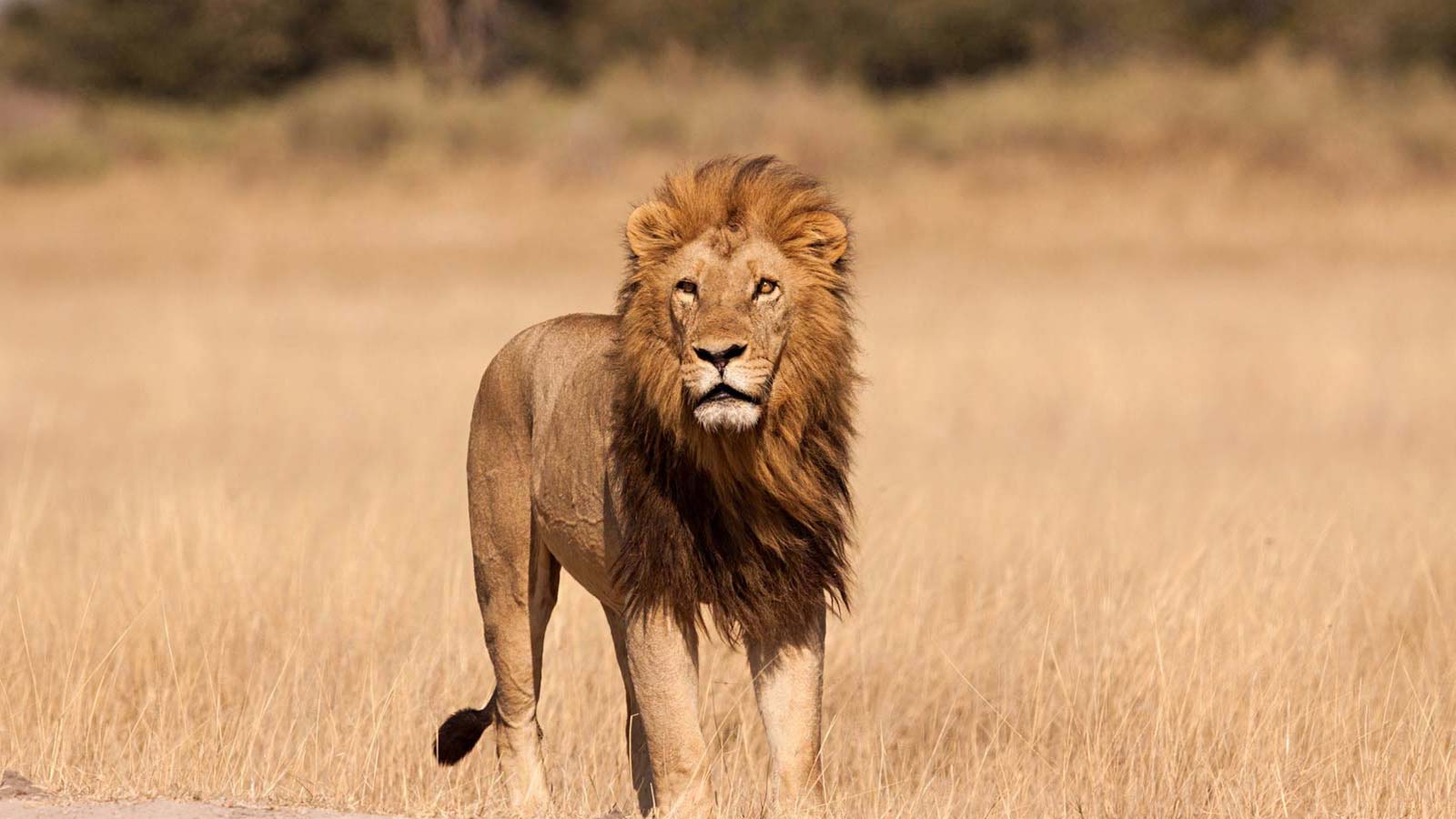
How to Book the Perfect African Safari
Book African safari planning is the most important step in creating a safe, seamless, and unforgettable wildlife experience in Africa. For travelers planning a Tanzania safari holiday, the booking process is far more than choosing a lodge or clicking “reserve now.” It requires understanding wildlife seasons, travel logistics, safari styles, and destination differences to ensure the best possible outcome. Many US travelers begin by searching for ways to book African safari trips online, but quickly discover that Africa is not a single destination—it is a collection of ecosystems that require careful planning. From the Serengeti plains to the Ngorongoro Crater, every decision impacts what you will see and experience. This complete safari planning guide will walk you step-by-step through how to book the perfect African safari with confidence, clarity, and expert insight. Step 1: How to book African safari by defining your travel goals Defining your travel goals is the foundation of how to book African safari successfully, because it determines every other decision in your itinerary. Before choosing destinations or dates, you must understand what kind of experience you want. Common safari goals include: Seeing the Big Five (lion, leopard, elephant, rhino, buffalo) Witnessing the Great Migration in motion Luxury honeymoon or romantic travel Wildlife photography expeditions Family-friendly educational safaris Adventure-focused travel experiences Why goal-setting matters Your safari goal determines: Which parks you visit How many days you need The level of accommodation Whether you need private guiding For example: Photographers require longer stays in fewer locations Honeymoon travelers prioritize privacy and luxury lodges Families need shorter drives and flexible pacing Without clear goals, travelers often overpack itineraries or miss key wildlife moments. Step 2: How to book African safari by choosing the right destination Choosing the right destination is one of the most important steps in any safari planning guide, because each African ecosystem delivers a completely different wildlife experience. Tanzania remains one of the most powerful safari destinations due to its biodiversity and world-famous national parks. Top safari destinations in Tanzania: Serengeti National Park – Home of the Great Migration and predator-rich plains Ngorongoro Conservation Area – A volcanic crater with dense year-round wildlife Tarangire National Park – Famous for elephants and massive baobab trees Zanzibar – White sand beaches and cultural coastal heritage Why destination selection is critical Determines wildlife variety and density Impacts travel time between locations Affects safari cost and logistics Influences seasonality and migration access Many first-time travelers try to visit too many parks in too few days. Experts recommend focusing on 2–3 core destinations for a more immersive experience. Step 3: How to book African safari by understanding the best travel season Understanding seasonal timing is essential when learning how to book African safari, because wildlife behavior and landscapes change dramatically throughout the year. Tanzania safari seasons: June–October (Dry Season) Best overall wildlife viewing Animals gather around water sources Ideal for first-time safari travelers July–September (Migration River Crossings) Dramatic Mara River crossings Peak predator activity High demand season January–February (Calving Season) Thousands of wildebeest births High predator-prey interaction Excellent photography conditions March–May (Green Season) Fewer tourists Lower prices Lush landscapes and birdlife Why timing matters Choosing the wrong season can lead to: Missing major wildlife events Difficult road conditions Lower animal visibility Step 4: How to book African safari by selecting the right safari style and budget Choosing the correct safari style is a key step in any safari planning guide, because it determines comfort, exclusivity, and overall experience quality. Safari types: Budget group safaris (shared vehicles, fixed itineraries) Mid-range lodge safaris (balanced comfort and cost) Luxury private safaris (exclusive vehicles and lodges) Fly-in safaris (time-saving aerial transfers) Photographic safaris (specialized guiding and vehicles) Cost factors include: Accommodation category Park fees and conservation charges Transport type (road vs flight) Private guide services Seasonal pricing variations Luxury safari advantages: Personalized itineraries Private safari vehicles High-end lodges with premium service Experienced local guides Step 5: How to book African safari with a trusted safari operator Working with a trusted operator is essential when learning how to book African safari, as it ensures safety, coordination, and expert planning. A professional safari operator handles: Park permits and logistics Accommodation bookings Internal flights and transfers Expert safari guiding What to look for: Local presence in Tanzania Transparent pricing structure Verified traveler reviews Deep knowledge of wildlife regions The quality of your safari guide often matters more than the lodge itself. A skilled guide can transform wildlife sightings into unforgettable experiences. Step 6: How to book African safari flights and travel logistics from the USA Understanding international travel logistics is a crucial step in Tanzania safari booking, especially for travelers coming from long-haul destinations like the United States. Common flight routes: JFK → Doha → Kilimanjaro LAX → Amsterdam → Tanzania Atlanta → Istanbul → East Africa Travel considerations: Long travel times (16–24+ hours) Jet lag adjustment required Visa applications before arrival Expert recommendation: Arrive at least one day early in Arusha before starting your safari to recover and prepare. Step 7: How to book African safari packing the right gear for your trip Packing correctly is essential when learning how to book African safari, because safari environments require practical, lightweight, and functional gear. Essential safari gear: Neutral-colored clothing (khaki, beige, olive) Lightweight breathable fabrics Binoculars (8×42 recommended) Camera with telephoto lens (100–400mm) Power banks and spare batteries Sun protection (hat, sunscreen, sunglasses) Why packing matters Safari vehicles have limited space Bush flights have strict weight limits Weather conditions vary daily Step 8: How to book African safari by confirming your itinerary before travel Final itinerary confirmation is a critical step in any safari planning guide, ensuring all logistics and expectations are aligned before departure. Checklist: Number of nights per park Accommodation details Included activities Internal flights and transfers Park entry fees Why this matters A well-structured itinerary ensures: Smooth transitions between parks Maximum wildlife viewing time Reduced travel stress Step 9: How to book African safari with optional extensions (Zanzibar & culture) Adding extensions is a…
Read More