
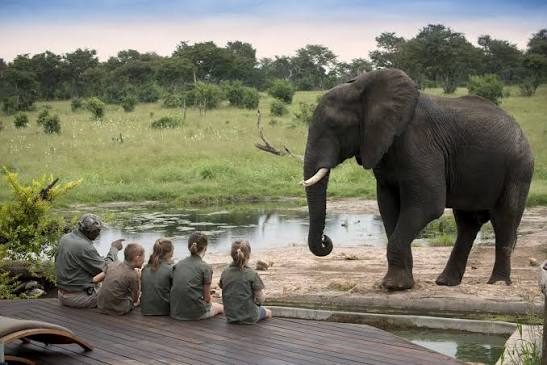
Safari With Toddler: Can You Really Take a Young Child on Safari?
A safari with toddler travellers can work well when the itinerary, accommodation and daily schedule are designed around the child’s age, sleep routine and comfort. A safari with a baby or toddler is very different from travelling with teenagers or adults. Young children may need: Regular meals. Afternoon naps. Shorter activity periods. Familiar foods. Flexible schedules. Easy access to accommodation. Reliable medical support. Extra luggage. More time between activities. The biggest issue is often not whether children are allowed in Tanzania or Kenya. It is whether the individual camp or lodge accepts children of that age and under what conditions. Some properties welcome infants and toddlers. Others impose minimum ages, particularly for remote camps, walking activities or certain types of safari. Understanding those rules before booking can make the difference between a relaxed family holiday and a frustrating one. Safari With Toddler: Why Do Camps Have Minimum-Age Policies? Safari camps use minimum-age policies mainly because of safety, remoteness, vehicle logistics and the nature of activities offered at the property. A remote tented camp may be located far from a hospital. Some camps also operate in unfenced wilderness where wildlife can move through or around the property. Other properties may offer: Walking safaris. Boat trips. Night drives. Bush meals. Fly camping. Specialist activities. These experiences may not be appropriate for very young children. A minimum-age policy therefore does not necessarily mean a camp is unsuitable for families. It may simply mean that the property’s environment or activities require older children. Minimum Age Safari Camp: Why Policies Differ Minimum age safari camp rules vary considerably, so families should never assume that every safari lodge has the same child policy. One property might welcome babies. Another might accept children from age three. Another might require children to be eight or twelve. Some properties may allow younger children only if the family books a private vehicle. Others may impose different age requirements for different activities. For example: Game drives may allow younger children. Walking safaris may require older children. Certain boat trips may have their own restrictions. Night drives may have separate rules. Always check the exact property and activity. Safari With Toddler: What Age Is Best? There is no single ideal age for a safari with toddler travellers because the right age depends on the child’s temperament, the itinerary and the family’s expectations. A young child who sleeps well and adapts easily may enjoy a safari earlier than a child who struggles with long journeys. Consider: Age. Sleep routine. Feeding requirements. Ability to sit for extended periods. Reaction to unfamiliar environments. Tolerance for vehicle travel. Comfort with heat and changing temperatures. The parents’ expectations matter too. A safari with a toddler will usually be slower and less predictable than an adults-only safari. That is perfectly normal. Safari With Toddler: Is a Baby Too Young? A safari with toddler or infant travellers may be possible, but very young babies require additional consideration around health, travel time, feeding, sleep and access to medical facilities. Before booking, consider: Baby’s age. Vaccination schedule. Destination health considerations. Flight duration. Road-transfer duration. Accommodation facilities. Emergency medical access. Feeding arrangements. Speak with an appropriate healthcare professional about destination-specific health considerations before travelling with an infant. Do not rely solely on a safari operator for medical advice. Family Safari Young Children: Which Accommodation Works Best? A family safari young children can enjoy is easier when accommodation provides sufficient space, convenient access and flexible meal arrangements. Families may prefer: Family tents. Family suites. Connecting rooms. Private villas. Lodges with larger rooms. Properties with flexible meal times. Ask whether children share the same sleeping space as adults. Also check whether the accommodation has: Cot availability. Extra beds. Baby beds. Mosquito-net arrangements. Child-friendly bathrooms. Space for luggage. Private outdoor areas. Safari With Toddler: Check the Room Setup A safari with toddler travellers requires careful attention to the actual sleeping arrangement because camp layouts can differ significantly from conventional hotels. Ask: Is the room enclosed? Is there a cot? Can an extra bed be added? Is there a separate sleeping area? Are there internal steps? Is the bathroom attached? Is the room close to common areas? Is there a secure path to the dining area? A beautiful tent may not necessarily be the most practical choice for a family with a toddler. Minimum Age Safari Camp: Ask About Family Accommodation Minimum age safari camp policies can sometimes depend on the type of accommodation booked, particularly where properties have family units or private-use villas. Ask whether the property offers: Family rooms. Family tents. Private-use cottages. Connecting accommodation. Exclusive-use villas. Private accommodation may provide families with more space and flexibility. However, it does not automatically remove the property’s age restrictions. Confirm the policy in writing. Safari With Toddler: What About Game Drives? A safari with toddler travellers can include game drives, but the experience should be paced around the child’s attention span, sleep schedule and comfort. A three-hour game drive may be manageable for one child and exhausting for another. Consider: Shorter drives. Morning drives. Private vehicles. Return-to-camp flexibility. Frequent breaks. Snacks. Water. Comfortable seating. Private vehicles are particularly useful because the family is not required to follow another group’s schedule. Safari With Toddler: Why Private Vehicles Can Help A private vehicle can make a safari with toddler travellers significantly easier because the family can adapt the day’s schedule when the child becomes tired, hungry or restless. With a private vehicle, families can discuss: Departure time. Drive length. Breaks. Return to camp. Child’s nap schedule. Number of game drives. If the toddler falls asleep, the guide can often continue the drive without needing to accommodate other guests’ schedules. That flexibility can be extremely valuable. Family Safari Young Children: What If the Toddler Gets Bored? A family safari young children can enjoy should recognise that wildlife viewing requires patience, and toddlers may not remain interested in animals for hours. Bring age-appropriate activities such as: Small books. Drawing materials. Quiet games. Familiar toys. Simple nature activities. You can…
Read More