
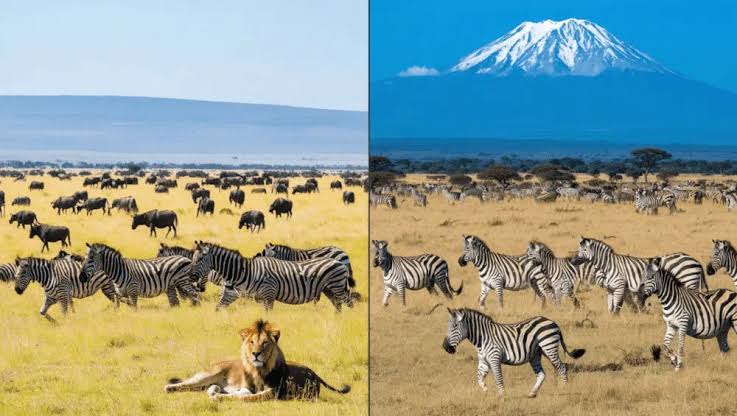
Combining Kenya and Tanzania in One Trip: The Ultimate Cross-Border Safari
A Kenya Tanzania combined safari is one of the most rewarding ways to experience East Africa in a single holiday. Instead of choosing between Kenya and Tanzania, travellers can combine the Masai Mara, Serengeti, Ngorongoro, Amboseli and other destinations into one carefully routed itinerary. The challenge is logistics. Kenya and Tanzania are neighbouring countries, but they are not one seamless safari destination. Border crossings, vehicle regulations, immigration procedures, domestic flights, conservation fees and transfer times all need to be considered. A well-designed Kenya Tanzania combined safari can deliver extraordinary variety without wasting days on unnecessary transfers. The key is deciding which destinations genuinely complement each other. Kenya Tanzania Combined Safari: Is It Worth Doing Both Countries? A Kenya Tanzania combined safari is worth considering when you have enough time to experience both countries properly rather than rushing between destinations. The biggest advantage is variety. Kenya can offer: Masai Mara. Amboseli. Samburu. Laikipia. Tsavo. Lake Nakuru. Tanzania can offer: Serengeti. Ngorongoro Crater. Tarangire. Lake Manyara. Ruaha. Nyerere. Zanzibar. Combining the countries becomes particularly attractive when you want to experience the Mara Serengeti combined ecosystem. The Masai Mara and Serengeti form part of the same broader ecosystem, even though they are governed and managed separately. You can therefore experience different perspectives on one of East Africa’s greatest wildlife landscapes. Kenya Tanzania Combined Safari: How Many Days Do You Need? At least 10 to 14 days is recommended for a comfortable Kenya Tanzania combined safari, while two to three weeks allows much more flexibility. 7–9 Days Possible, but rushed. You might choose: Nairobi. Masai Mara. Serengeti. Ngorongoro. This itinerary prioritises the major highlights but involves significant movement. 10–14 Days A much better balance. You could include: Nairobi. Amboseli. Masai Mara. Serengeti. Ngorongoro. 14–21 Days Ideal for deeper exploration. You can add: Samburu. Laikipia. Tarangire. Zanzibar. Additional conservancy stays. The more time available, the more worthwhile a cross-border itinerary becomes. Kenya Tanzania Combined Safari: The Classic Mara to Serengeti Route The most logical Kenya Tanzania combined safari for many first-time visitors connects the Masai Mara with the Serengeti and continues south toward Ngorongoro. A classic route might look like: Nairobi → Masai Mara → Isebania border → Serengeti → Ngorongoro → Arusha Alternatively: Nairobi → Amboseli → Arusha → Tarangire → Ngorongoro → Serengeti → Masai Mara The correct direction depends on: Flight schedules. Season. Border arrangements. Desired wildlife areas. Accommodation availability. International arrival and departure points. Kenya Tanzania Combined Safari: Kenya First Starting in Kenya works particularly well for travellers flying into Nairobi and wanting to experience the Masai Mara before continuing south into Tanzania. A possible itinerary: Days 1–2: Nairobi Arrive and recover from your international flight. Days 3–5: Masai Mara Spend several nights exploring the reserve or surrounding conservancies. Day 6: Cross into Tanzania Travel toward the border and continue into northern Tanzania. Days 7–9: Serengeti Spend several nights exploring different areas. Days 10–11: Ngorongoro Visit the crater and surrounding highlands. Day 12: Arusha Finish in Arusha or continue toward another destination. This approach is particularly attractive for travellers who want a Mara Serengeti combined safari. Kenya Tanzania Combined Safari: Tanzania First Starting in Tanzania can make sense for travellers arriving through Kilimanjaro International Airport and wanting to finish in Kenya before flying home from Nairobi. A possible itinerary is: Kilimanjaro Airport → Arusha → Tarangire → Ngorongoro → Serengeti → Masai Mara → Nairobi This can reduce unnecessary backtracking. It is especially useful when international flights are easier or cheaper through Nairobi. Kenya Tanzania Combined Safari: The Mara and Serengeti Connection The Masai Mara and Serengeti are the natural centrepiece of a Kenya Tanzania combined safari because they form part of the wider Mara-Serengeti ecosystem. The border does not stop wildlife movement. Wildebeest, zebra, gazelles and predators move according to ecological conditions rather than national boundaries. However, tourists cannot simply drive freely across the border. The logistics are separate. This distinction is important. The ecosystem is continuous. The tourism systems are not. Kenya Tanzania Combined Safari: Cross-Border Safari Logistics A cross border safari requires careful planning because safari vehicles, immigration procedures and operating permissions differ between Kenya and Tanzania. Do not assume that the same safari vehicle can automatically operate throughout both countries. Operators need to plan: Border crossing. Immigration. Vehicle arrangements. Driver-guide arrangements. Park permits. Conservation fees. Transfers. In some itineraries, the most practical approach is to change vehicles or guides at the border or arrange separate country-specific operations. Your safari operator should explain this before you travel. Kenya Tanzania Combined Safari: Isebania Border The Isebania border crossing is one of the routes used for connecting Kenya’s Masai Mara with Tanzania’s northern safari circuit. The crossing connects the Kenyan side near Migori with Tanzania’s Mara Region. For a Mara Serengeti combined itinerary, Isebania can be strategically useful. However, border procedures can take time. The actual journey should therefore not be planned around optimistic driving estimates. Allow time for: Immigration. Customs procedures. Vehicle arrangements. Documentation. Lunch or refreshments. Road conditions. Your operator should coordinate the crossing. Kenya Tanzania Combined Safari: Tarime and Serengeti Travellers continuing from the Isebania area toward Serengeti need to account for the distance and road conditions before reaching their accommodation. The border crossing itself is only one part of the journey. Once inside Tanzania, you still have to reach the relevant Serengeti sector. This is why a border transfer should not automatically be treated as a short travel day. Depending on the exact camp location, you may need several hours of driving. The route can nevertheless be highly worthwhile when planned properly. Kenya Tanzania Combined Safari: Amboseli and Northern Tanzania Adding Amboseli to a Kenya Tanzania combined safari can create an excellent contrast between Kilimanjaro views in Kenya and the wildlife landscapes of northern Tanzania. A possible itinerary is: Nairobi → Amboseli → Arusha → Tarangire → Ngorongoro → Serengeti This route avoids crossing directly from Amboseli into Tanzania through an informal tourist route. Instead, travellers can use established transport and border arrangements. Amboseli works…
Read More